
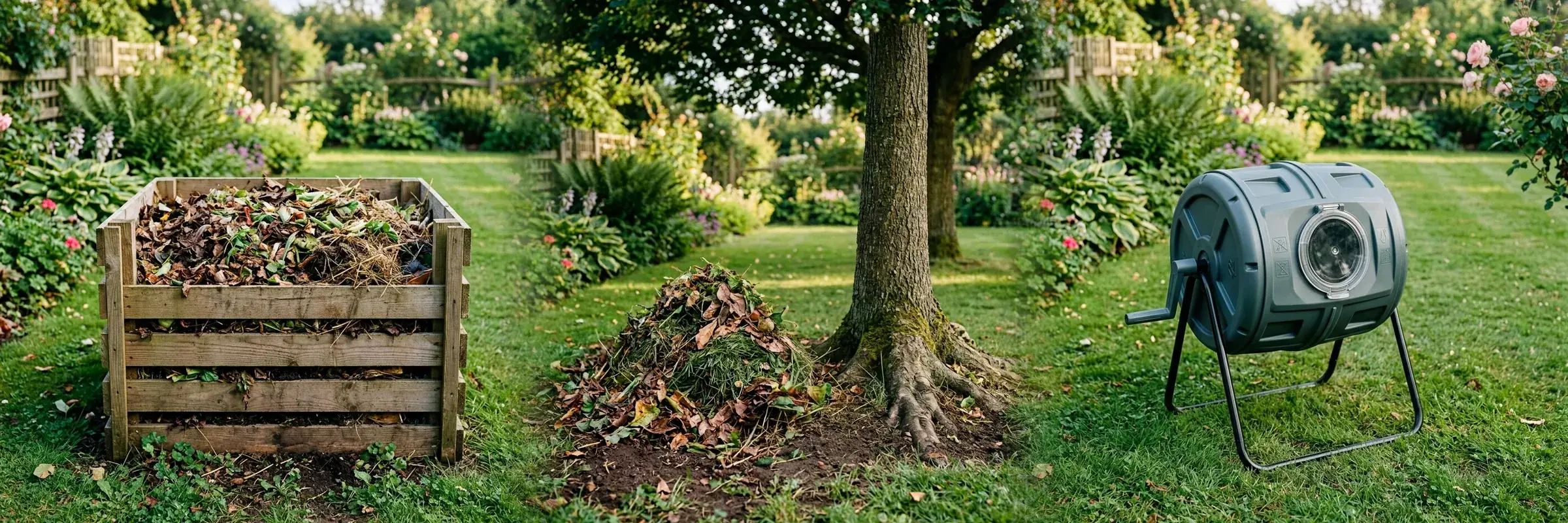
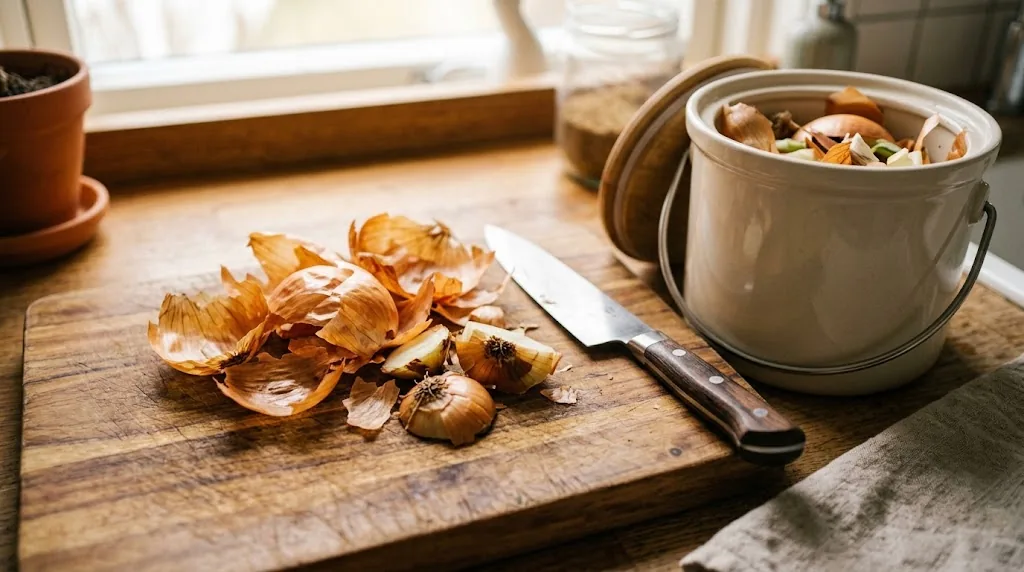
Yes, onion skins are excellent for your compost pile. They break down quickly and add valuable nutrients to your soil.
Why
Onion skins are considered a green material because they contain nitrogen, though they are quite dry and lightweight. They decompose rapidly in both hot and cold composting systems. Because they are thin and papery, they do not require any special preparation before being added to the bin. They are a perfect addition to a balanced pile, helping to provide a quick boost of organic matter without the risk of attracting pests that might be associated with the actual onion bulb or other food scraps.
Quick facts
| Carbon to nitrogen | Varies |
|---|---|
| Hot pile | 2-4 weeks |
| Cold pile | 1-3 months |
| Worm bin | Yes · Add in moderation to avoid strong odors. |
| Bokashi | Yes · Safe to include in your bokashi bin. |
| City green bin | Usually accepted; check local rules |
| Prep | Shred or crush to prevent them from blowing away. |
| Mix with | Mix with carbon-rich brown materials like dry leaves. |
| Pest risk | Low · Keep buried inside the pile to deter fruit flies. |
How to compost onion skins
- Collect the dry, papery outer layers of your onions.
- Toss them directly into your compost bin.
- Mix them into the pile to ensure they do not blow away.
- Cover with a layer of brown material to maintain the carbon-to-nitrogen balance.
How much onion skins can you add to compost?
You can add onion skins to your home compost pile in moderate handfuls during meal prep. Because they are light and bulky rather than dense, they do not need to make up a large volume of your greens. Pair them with generous amounts of carbon-rich browns like dried leaves or cardboard. If you notice the pile becoming overly dry and dusty or if the papery layers begin to form hydrophobic mats that repel water, you have added too many dry skins at once without enough moisture.
Which types of onion skins can you compost?
- Yellow onion skins: Yes. Standard yellow onion skins break down very quickly and add beneficial organic matter to the pile.
- Red onion skins: Yes. Red skins decompose just as easily as yellow varieties, though they may temporarily leave faint harmless pigments.
- Shallot skins: Yes. These thin and papery skins fragment rapidly and integrate smoothly into standard backyard compost systems.
Watch out for
- They are very light and can blow away if not covered.
- Avoid adding the actual onion bulb if you have issues with pests.
- Ensure they are not contaminated with plastic produce stickers.
Other ways to use onion skins
- Use them to make vegetable stock.
- Use them as a natural dye for fabrics or eggs.
- Add them to a worm bin.
Troubleshooting onion skins in compost
- Onion skins blow away immediately upon being added to an open outdoor pile. Mix the lightweight skins deep into the moist center of the compost or immediately cover them with heavier carbon materials.
- The skins form dry, waterproof clumps that refuse to decompose. Break up the matted clusters with a garden fork and water the pile lightly to restore proper moisture levels.
Myths about composting onion skins
- Myth: Onion skins are too acidic and will ruin the pH balance of the entire compost pile. Truth: While onions contain mild organic acids, they are used in small quantities and quickly neutralize during the natural microbial breakdown process.
- Myth: All parts of the onion family will repel beneficial earthworms from your compost bin. Truth: Earthworms naturally avoid eating strong-smelling fresh onion bulbs, but the dry, papery skins do not bother them once integrated.
Can onion skins go in a green bin or recycling?
Most municipal green waste and curbside food scrap collection programs readily accept onion skins along with your regular vegetable peelings and yard trimmings. Before tossing them into your municipal bin, make sure to remove any plastic mesh bags, rubber bands, or adhesive produce stickers attached to the onions. Because local composting facilities utilize different processing technologies and sorting equipment, you should always check your specific municipal waste guidelines to confirm what is allowed.
Does composting onion skins attract pests?
Composting onion skins does not attract pests. Because these dry and papery outer layers lack the strong odors, high moisture, and sugars found in the actual onion bulb, they do not draw creatures like rodents or flies. Furthermore, adding onion skins to your pile and using them as part of a cover layer over other food scraps helps hide strong odors and creates a physical barrier that keeps pests away from your bin.
- Use onion skins to cover wet food scraps in the bin.
- Mix the lightweight skins thoroughly into the pile so they stay put.
- Layer browns on top of the skins to maintain balance and deter pests.
- Keep whole onion bulbs out of the bin if you have an active pest problem.
Common questions
Are onion skins biodegradable?
Yes, onion skins are fully biodegradable and will break down into organic matter in almost any environment.
Will onion skins make my compost smell?
No, the dry skins do not have a strong odor and will not cause your compost to smell.
Can I put whole onions in the compost?
You can, but be aware that they may sprout or attract pests, so it is better to chop them up or bury them deep in the pile.
Do onion skins change the pH of my compost?
No, they are neutral enough that they will not significantly alter the acidity of your finished compost.
Rules vary by town and by composting method. When in doubt, check with your local composting or waste program.