
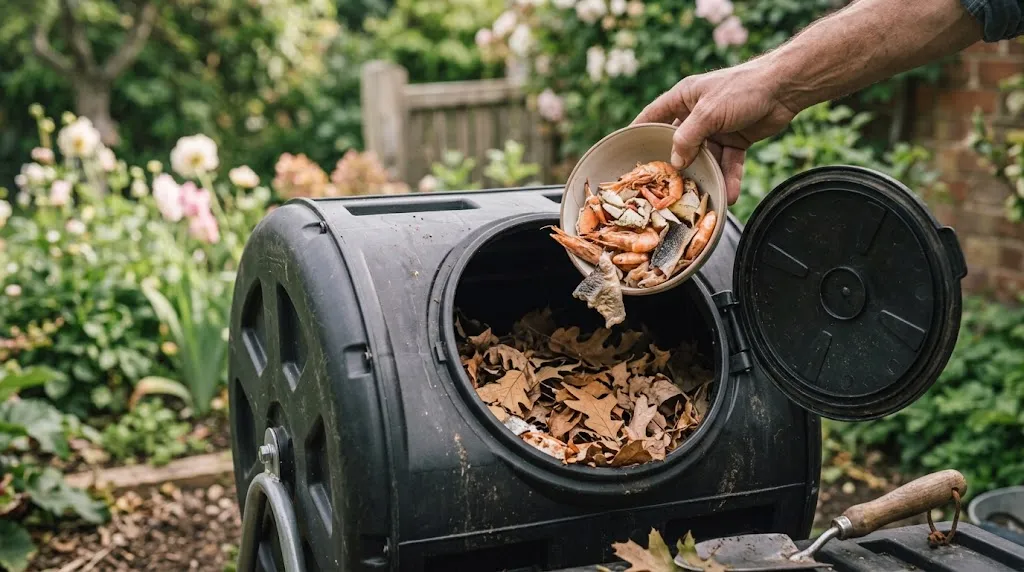
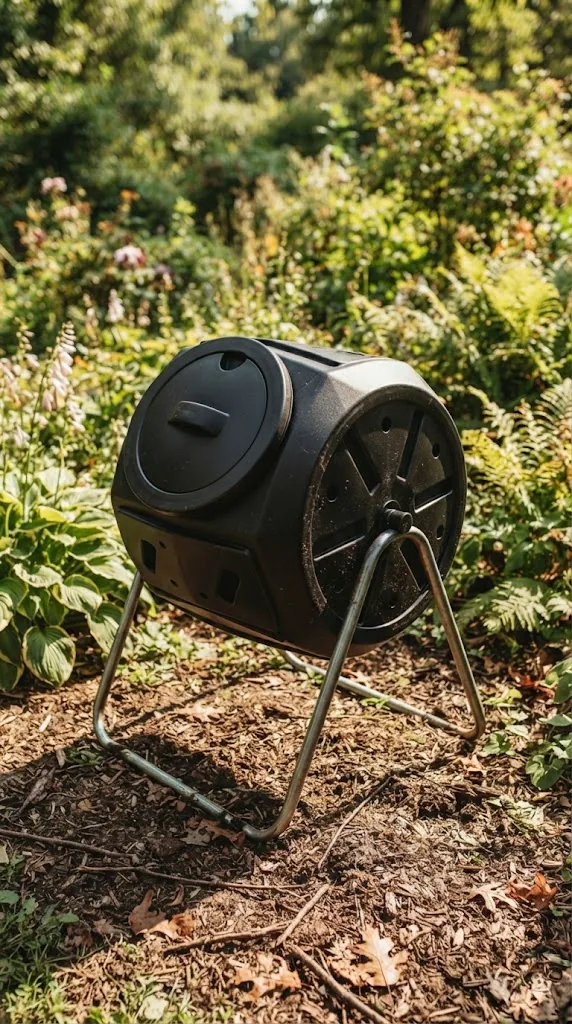
You can compost seafood scraps in an enclosed hot composting system, but you should avoid putting them in an ordinary open backyard pile.
Why
Seafood scraps such as fish skin, shrimp shells, and bones can be successfully composted if you use a secure, hot composting system that reaches high temperatures to break down animal proteins quickly. However, standard cold compost piles lack the necessary heat and often attract unwanted pests like rodents, raccoons, and flies due to the strong odors. Furthermore, cooked seafood seasoned with heavy oils, butters, or salts can disrupt the microbial balance of your bin and invite scavengers. If you choose to add seafood, it must be buried deep within the center of an active, well-managed pile to prevent pest issues and unpleasant smells.
Quick facts
| Carbon to nitrogen | Varies |
|---|---|
| Hot pile | 1-3 months |
| Cold pile | 6-12 months |
| Worm bin | Sometimes · Small amounts, finely chopped |
| Bokashi | Yes · Excellent for seafood scraps |
| City green bin | Usually accepted; check local rules |
| Prep | Chop into small pieces |
| Mix with | Mix with plenty of dry leaves |
| Pest risk | High · Keep in enclosed, hot piles only |
How to compost seafood
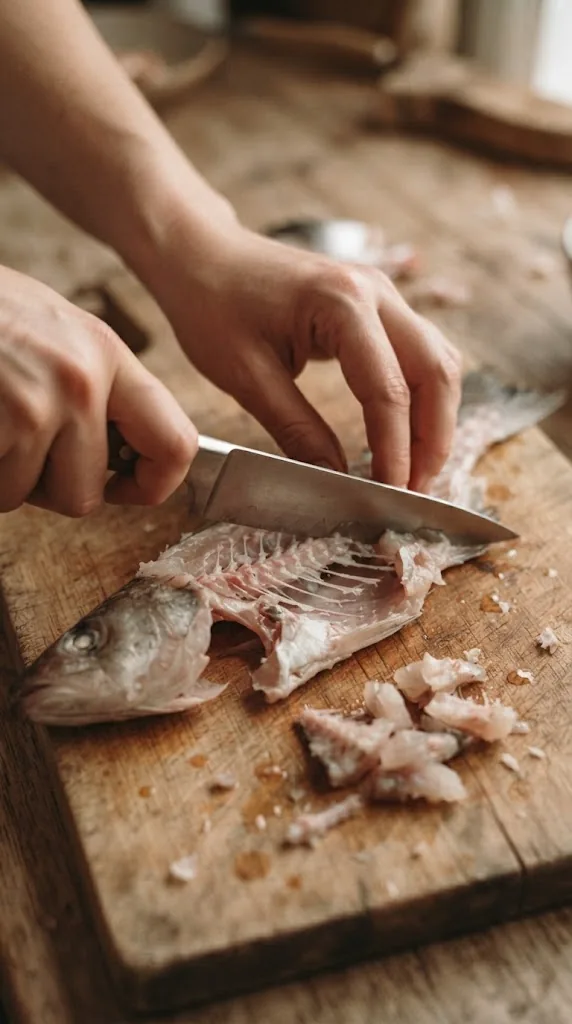
- Cut or chop large fish frames and scraps into smaller pieces to speed up the breakdown process.
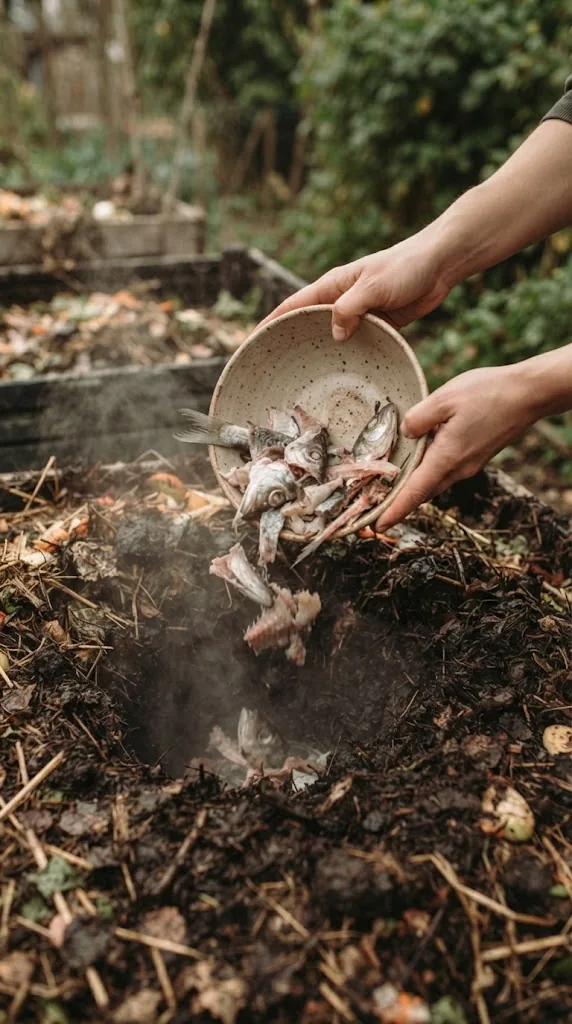
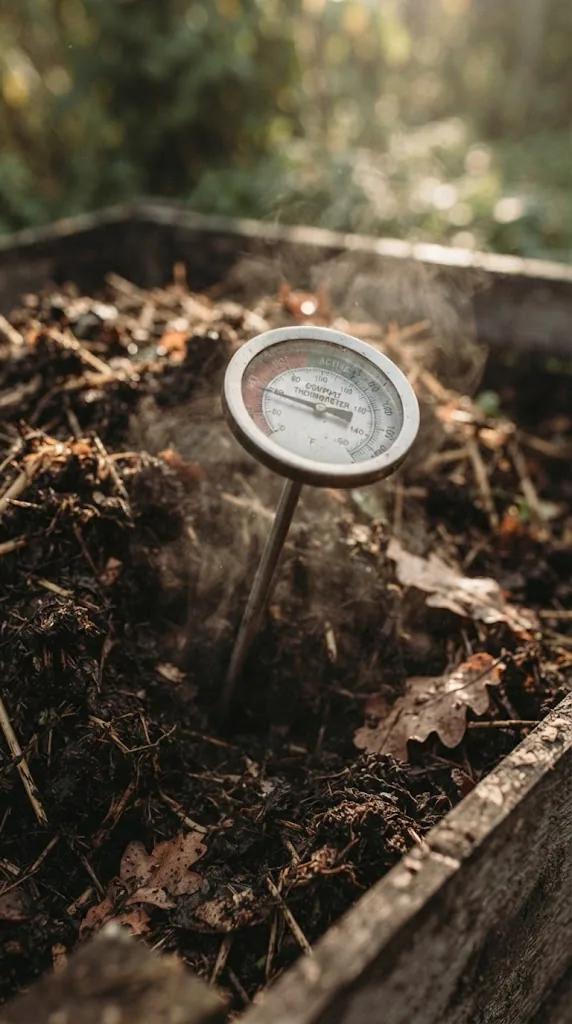
- Bury the seafood deep in the absolute center of your active compost pile.
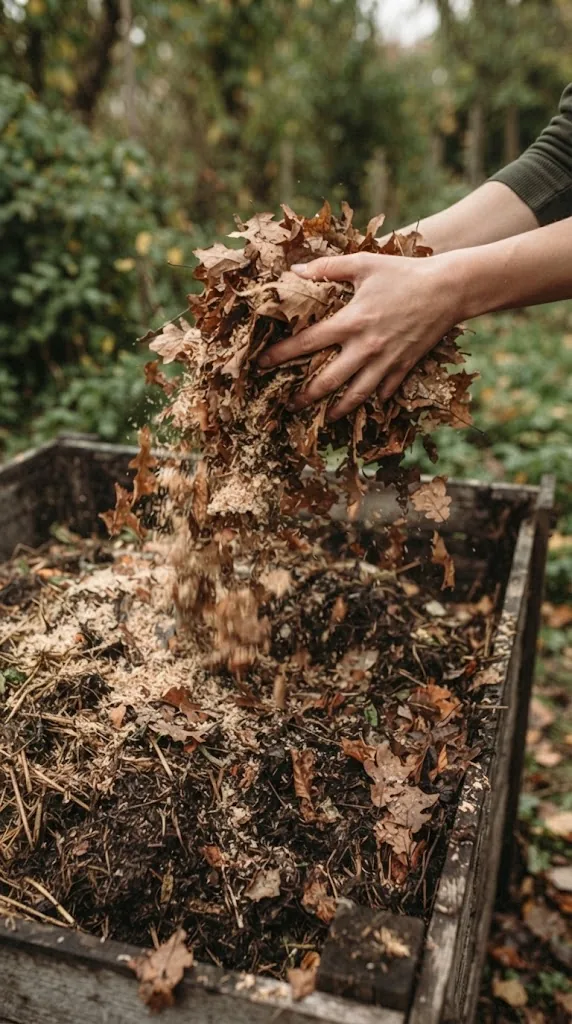
- Cover the spot thoroughly with a thick layer of high-carbon brown materials like dry leaves or sawdust.
- Monitor the pile to ensure it maintains high internal heat and check regularly for signs of pests.
How much seafood can you add to compost?
Seafood should represent no more than five percent of your total pile volume at any given time. Because it is a nitrogen-rich green material, you must balance every cup of seafood scraps with at least three to four times that amount of carbon-rich browns like shredded cardboard or dry leaves. If you notice a persistent ammonia smell or a slimy texture forming on the surface of your compost, you have added too much and need to stop adding seafood immediately.
Which types of seafood can you compost?
- Raw fish scraps: Yes. Raw fish breaks down faster than cooked varieties and contains fewer additives that might disrupt your pile chemistry.
- Shellfish shells: Sometimes. Crustacean shells like crab or lobster are extremely slow to decompose and should be crushed into small pieces before being added.
- Cooked seafood with sauces: No. Oils, butter, and heavy seasonings found in cooked dishes will attract pests and can create an anaerobic environment in your bin.
- Fish bones: Sometimes. Small bones may break down in a very hot pile, but larger bones often remain intact for years and are better suited for burial.
Watch out for
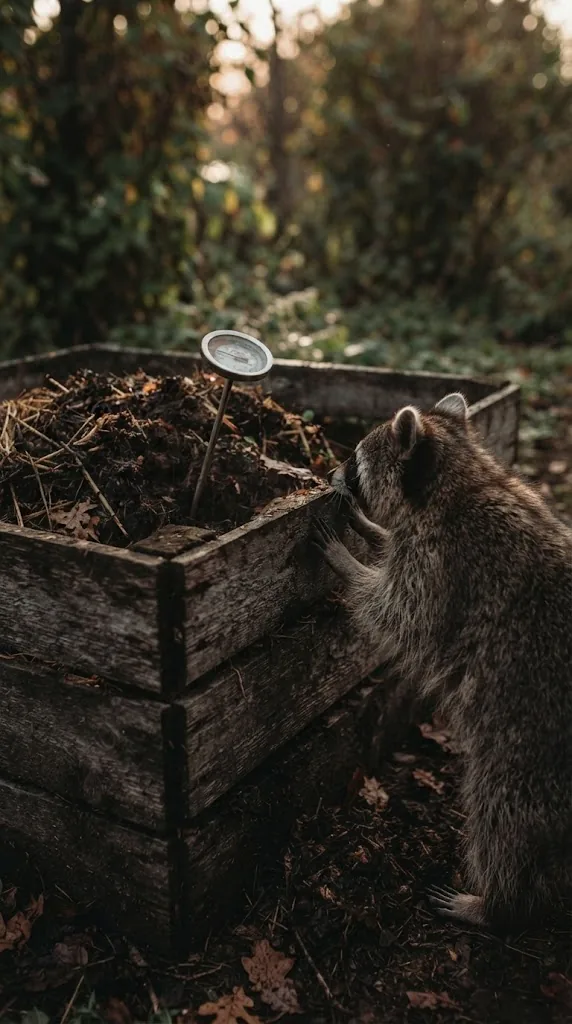
- Strong odors from seafood scraps will easily attract rats, raccoons, and neighborhood pets.
- Oils, heavy seasonings, and butter attached to cooked seafood can disrupt bin chemistry and ruin compost quality.
- Unheated cold piles will cause the seafood to rot anaerobically, creating foul smells and disease risks.
What to do instead
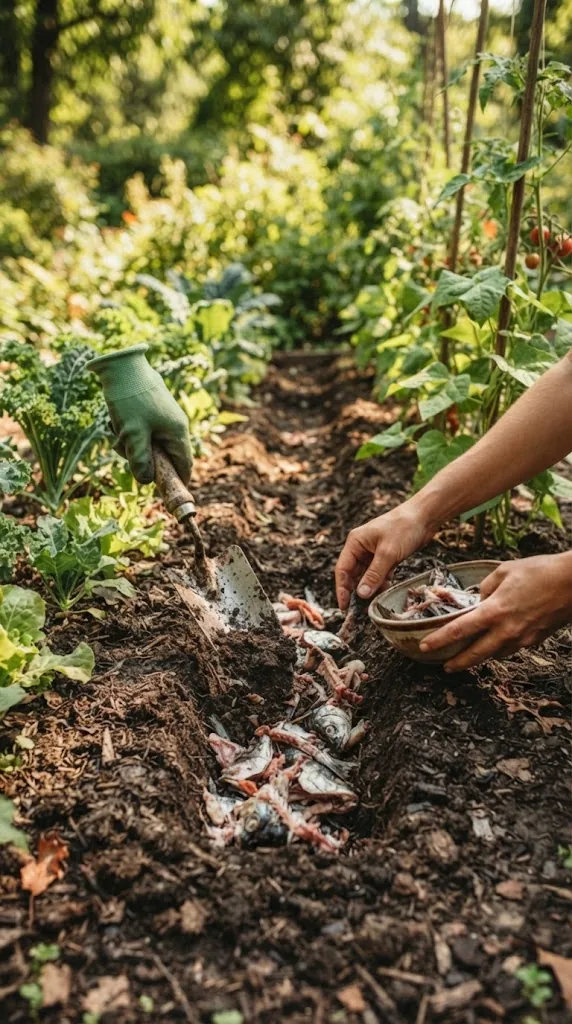
- Bury the seafood scraps directly in garden soil away from plant roots as a natural soil amendment.
- Check if your local municipality accepts seafood scraps in their green waste or food waste recycling program.
- Discard the seafood in a secure, sealed trash bin to prevent pest problems.
Troubleshooting seafood in compost
- Persistent foul odor The pile is likely too wet or lacks oxygen; turn the pile immediately and add a large volume of dry, coarse carbon materials.
- Pest activity around the bin Ensure the seafood is buried at least twelve inches deep and consider placing a hardware cloth screen under your bin to block burrowing animals.
- Slow decomposition of shells Crush shells into a fine powder using a hammer or mortar and pestle before adding them to increase the surface area for microbial action.
Myths about composting seafood
- Myth: Adding fish bones provides calcium that plants can immediately absorb. Truth: While bones contain calcium, they must fully decompose through microbial action before the nutrients become bioavailable to your garden plants.
- Myth: Freezing seafood scraps before composting eliminates the risk of pests. Truth: Freezing prevents odors temporarily, but once the scraps thaw inside your compost pile, the scent will return and attract scavengers just as quickly.
Can seafood go in a green bin or recycling?
Many municipal green waste programs accept seafood scraps, but policies vary significantly by region. Some cities allow all food waste in curbside bins, while others strictly prohibit animal proteins to prevent odor and pest issues at processing facilities. Always remove plastic packaging, rubber bands, or metal ties before placing scraps in your bin. Check your local municipality website or waste management guidelines to confirm if they accept meat and fish, as contamination can lead to fines or service suspension.
Does composting seafood attract pests?
Strong odors from seafood scraps will easily attract unwanted pests to your compost bin, such as rats, mice, raccoons, flies, and neighborhood pets. The intense smell of decomposing fish and shellfish signals scavengers, while oils and seasonings can further draw them in. To prevent infestations, you must take extra precautions when handling these types of high-protein waste materials in your backyard system.
- Use a secure and enclosed hot composting system instead of an open pile
- Bury the seafood scraps deep in the absolute center of your active compost pile
- Cover the spot thoroughly with a thick layer of high-carbon brown materials like dry leaves or sawdust
- Avoid adding cooked seafood heavily seasoned with oils, butter, or salts that disrupt bin chemistry
Common questions
Will seafood scraps attract pests to my compost bin?
Yes, raw and cooked seafood has a strong aroma that easily attracts rats, mice, and other scavengers if it is not buried deeply inside a secure bin.
Can I compost shrimp shells and crab shells?
Yes, crustacean shells break down very well and add valuable calcium and chitin to your compost, though they take longer to decompose than soft tissue.
Is it okay to add cooked and seasoned fish?
It is best to stick to plain, unseasoned fish scraps because heavy oils, butter, and salt can hinder the composting process and attract animals.
Is seafood biodegradable?
Yes. Fish and shellfish meat biodegrade quickly. Crab, shrimp and lobster shells are slower, and oyster and clam shells take years.
Rules vary by town and by composting method. When in doubt, check with your local composting or waste program.