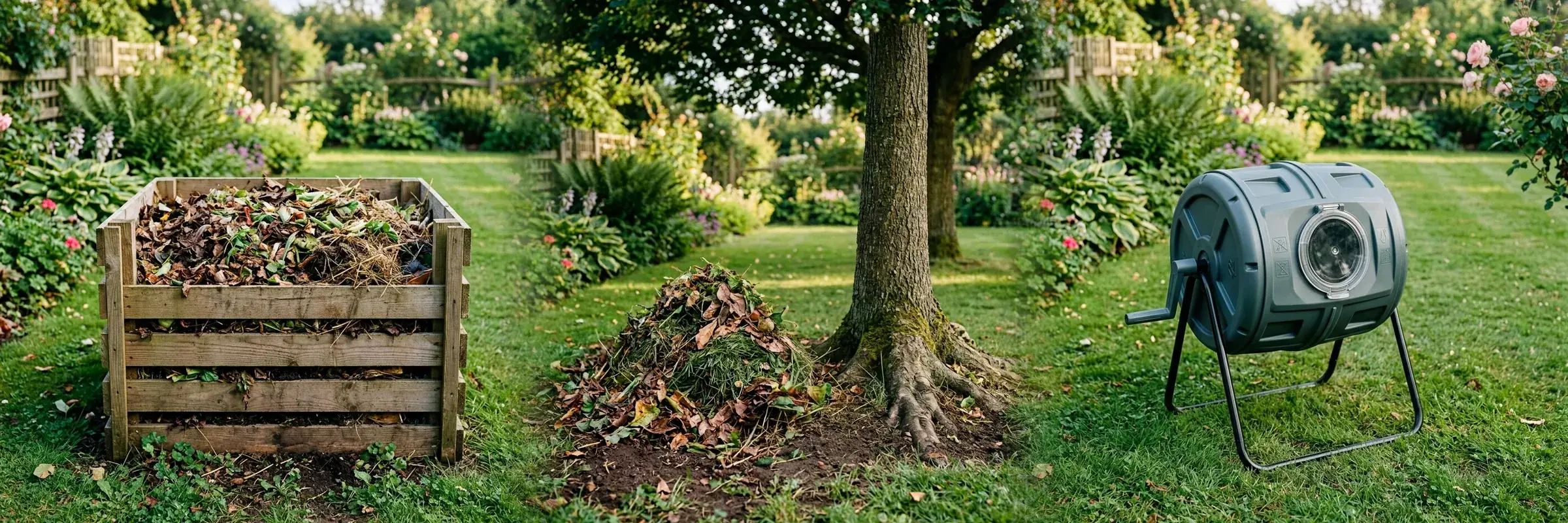
You can compost basic sugary Halloween candy in small amounts, but chocolate, gummy, and sticky candies should generally be avoided in a home compost bin.
Why
Pure sugar dissolves easily and can feed beneficial microbes in your compost pile. However, high concentrations of sugar or heavy syrups can attract unwanted pests like rats, ants, and raccoons to your backyard bin. Candies containing dairy, fats, or gelatin take much longer to break down and can create foul odors or invite scavengers. If you decide to add leftover hard candies, ensure you crush them up and bury them deep within an active, hot compost pile in very small quantities to avoid pest issues.
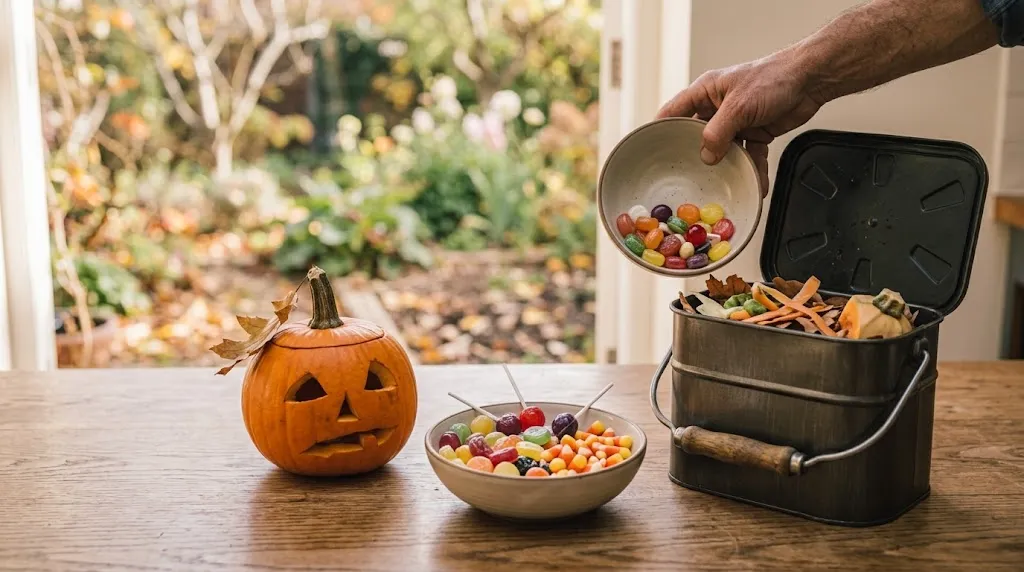
Quick facts
| Carbon to nitrogen | Varies |
|---|---|
| Hot pile | 2-4 weeks |
| Cold pile | pile-dependent |
| Worm bin | Sometimes · Small amounts of plain chocolate or hard candy only |
| Bokashi | Yes · Works well for fermentation, but check for high sugar content |
| City green bin | Usually accepted; check local rules |
| Prep | Remove all wrappers and wrappers must be hard-shell only |
| Mix with | Mix with 2-3 parts dry leaves or shredded paper |
| Pest risk | High · Sugar attracts ants, flies, and rodents; bury deep in pile |
How to compost Halloween candy
- Sort through the candy and separate pure sugar treats like hard candies or lollipops from chocolates and gummies.
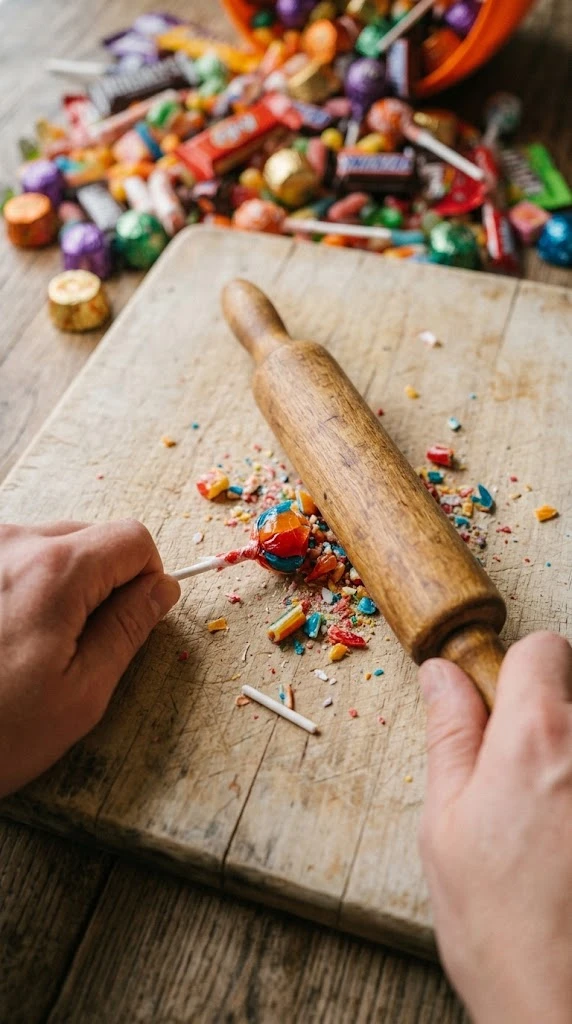
- Crush hard candies into smaller pieces so they dissolve faster in moisture.
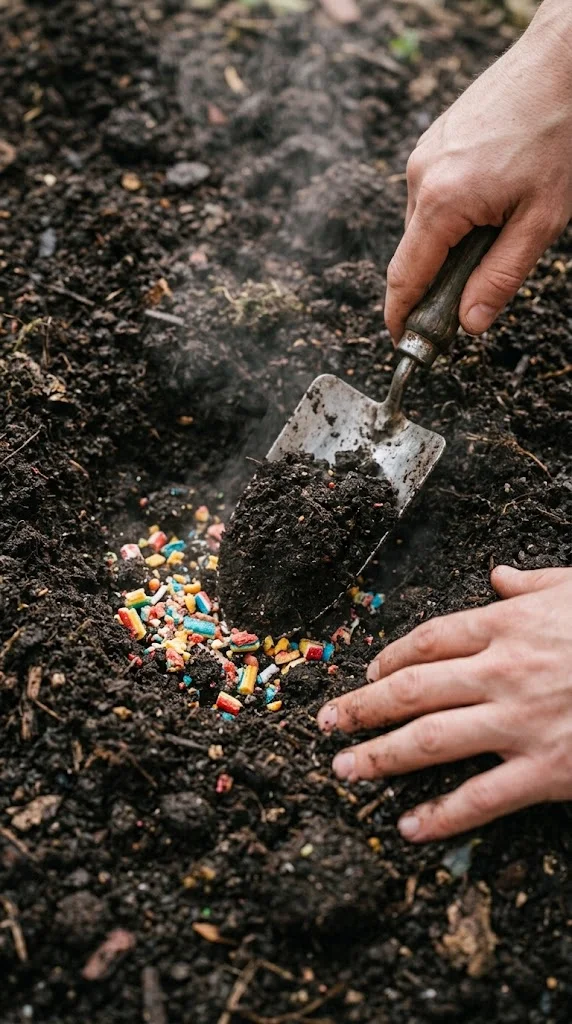
- Bury the candy deep in the center of an active, hot compost pile to hide the sweet scent from pests.
- Balance the sugary candy by adding plenty of carbon-rich brown materials like dry leaves or shredded paper.
How much halloween candy can you add to compost?
You should limit Halloween candy to less than one percent of your total pile volume per addition, sprinkling only a few crushed hard candies at a time. Always pair these sugary treats with a generous handful of carbon-rich brown materials like dry leaves or shredded cardboard to offset the moisture. If you notice a sudden influx of ants, fruit flies, or a sticky, foul-smelling sludge forming near the center, you have added far too much sugar.
Which types of halloween candy can you compost?
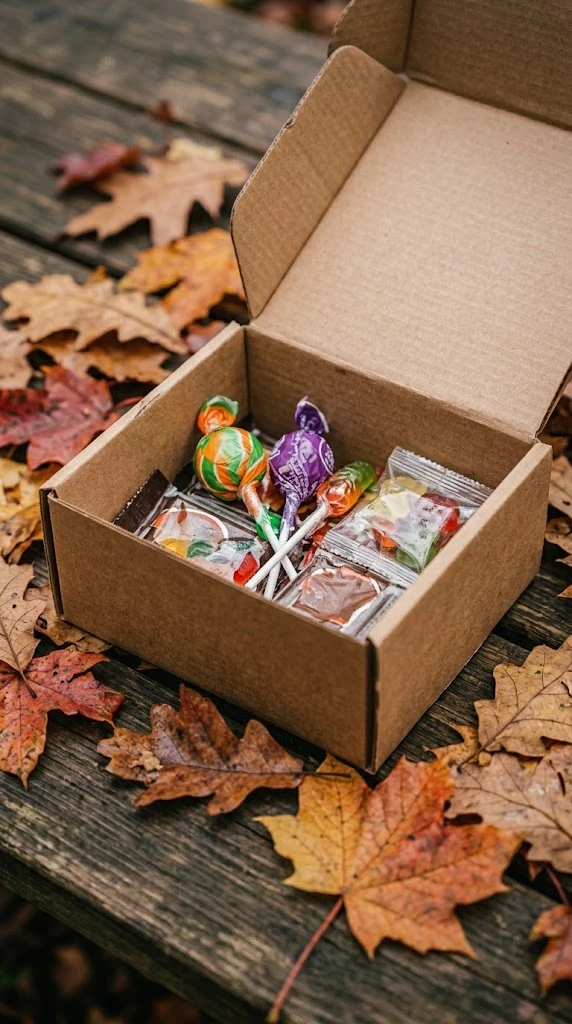
- Hard candy: Sometimes. Pure sugar hard candies can dissolve safely in small crushed amounts within a hot, active compost pile. However, avoid adding large quantities all at once to prevent microbial imbalances.
- Chocolate: No. Chocolates contain dairy, fats, and oils that do not break down efficiently in home systems. These ingredients will quickly rancidify and draw unwanted scavengers.
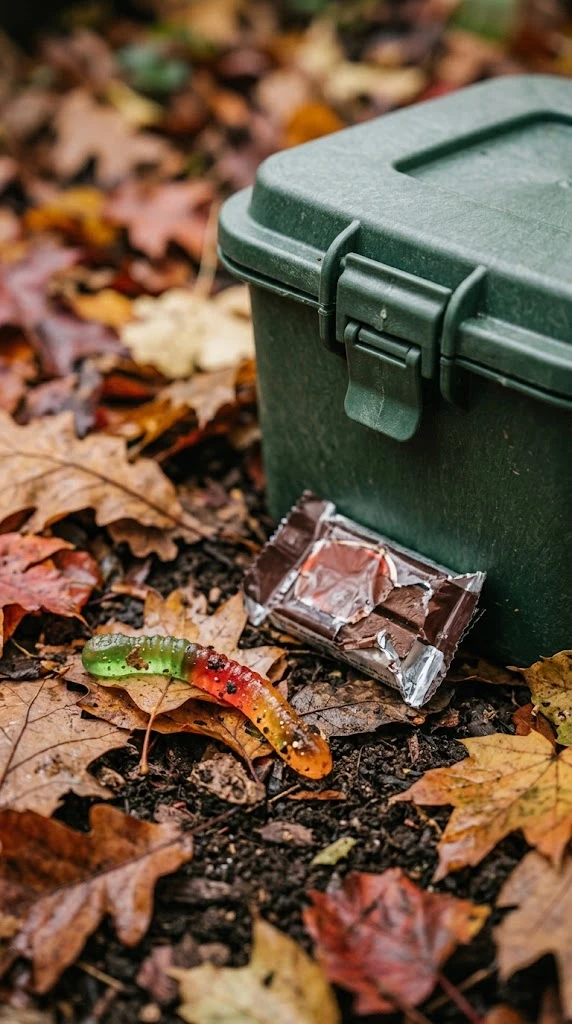
- Gummy candy: No. Gummies rely heavily on gelatin and corn syrup, creating a rubbery, sticky mess that resists microbial breakdown. They also act as a major beacon for local rodents.
- Lollipops: Sometimes. The sugary head can be composted in tiny amounts if crushed and buried deep, but you must completely remove and trash the plastic or paper sticks first.
Watch out for
- Attracting pests like rodents and ants due to the high sugar content and strong sweet scents.
- Throwing in whole chocolate bars or sticky gummies that will not break down properly and will create a sticky mess.
- Overloading your pile with sugar, which can disrupt the natural microbial balance and slow down decomposition.
What to do instead
- Donate unopened candy to local charities, food pantries, or organizations that support troops.
- Save and reuse the candy for baking, ice cream toppings, or making flavored syrups.
- Throw spoiled or sticky candy into the regular household trash.
Troubleshooting halloween candy in compost
- Rats and mice digging into the bin shortly after adding leftover sweets. Bury the crushed candy at least twelve inches deep in the center of the pile and cover the surface with a thick layer of finished compost or dry carbon materials.
- A slimy, sour-smelling patch forming where the candy was dumped. Stop adding candy immediately, turn the affected area thoroughly with a pitchfork, and mix in dry wood shavings or shredded paper to absorb excess moisture.
- Candies hardening into solid, glass-like chunks that refuse to dissolve. Break the hardened clusters apart with a hammer before tossing them in, and ensure the pile maintains adequate moisture and warmth to aid dissolution.
Myths about composting halloween candy
- Myth: Because sugar is organic and natural, you can dump an entire bowl of leftover candy into your compost bin at once. Truth: High concentrations of pure sugar will overwhelm the native microbial populations and instantly attract pests, turning your bin into a backyard rodent feeder.
- Myth: Microbes in a cold compost pile will eventually break down sticky gummy bears and caramels. Truth: Cold piles lack the necessary thermal activity and diverse microbes to process gelatin, fats, and complex sticky sugars, leading to a long-term pest hazard.
Can halloween candy go in a green bin or recycling?
Most municipal green waste or curbside food scrap programs do not accept processed Halloween candy, especially items containing dairy, chocolate, or gelatin, because they disrupt industrial composting processes and attract vectors. However, some commercial facilities with enclosed in-vessel digestors may accept bulk confectionery waste. Always check your local municipal waste guidelines before placing any leftover candy into your curbside organic collection bin, and remember to remove all plastic or foil wrappers first.
Does composting halloween candy attract pests?
Composting certain types of leftover Halloween candy can definitely attract unwanted pests to your backyard bin. High concentrations of sugar, strong sweet scents, and ingredients like dairy or gelatin frequently draw rodents such as rats and mice, as well as raccoons and ants. These scavengers are easily lured by the potent aromas and readily available energy sources, which can quickly turn your compost pile into a feeding station if the sugary treats are left exposed on the surface.
- Sort out chocolates and sticky gummies to avoid creating a messy, pest-magnet zone in your pile.
- Crush hard candies into smaller fragments so they dissolve quickly and thoroughly.
- Bury the candy deep in the center of an active, hot compost pile to hide the sweet scent.
- Cover the area completely with plenty of carbon-rich brown materials like dry leaves or shredded paper.
Common questions
Can I compost chocolate from Halloween?
It is best to avoid composting chocolate because the dairy and fat content can spoil and attract rodents to your bin.
What happens if I put too much candy in my compost?
Excess sugar can throw off the moisture and carbon-to-nitrogen balance of your pile, potentially killing beneficial microbes and causing bad odors.
Can I compost the plastic wrappers along with the candy?
No, standard candy wrappers are made of foil, plastic, or mixed materials that are not biodegradable and must be thrown in the trash.
Is Halloween candy biodegradable?
The candy itself, sugar and chocolate, is biodegradable. The wrappers usually are not: most are plastic or foil laminates that never break down.
Rules vary by town and by composting method. When in doubt, check with your local composting or waste program.