
You can compost small amounts of fruit jelly if it is purely natural, but sugary jellies often attract pests and upset the microbial balance of your bin.
Why
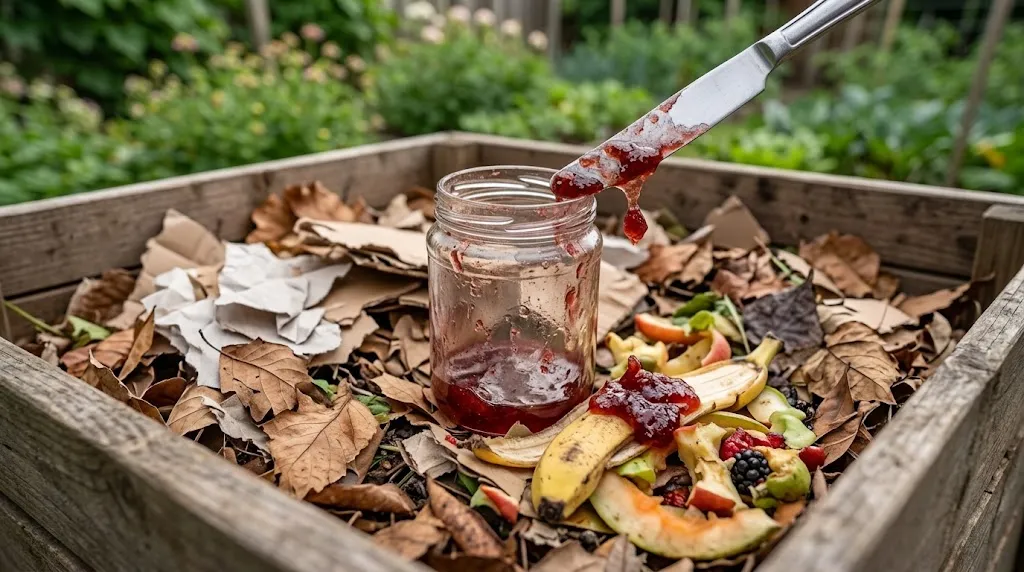
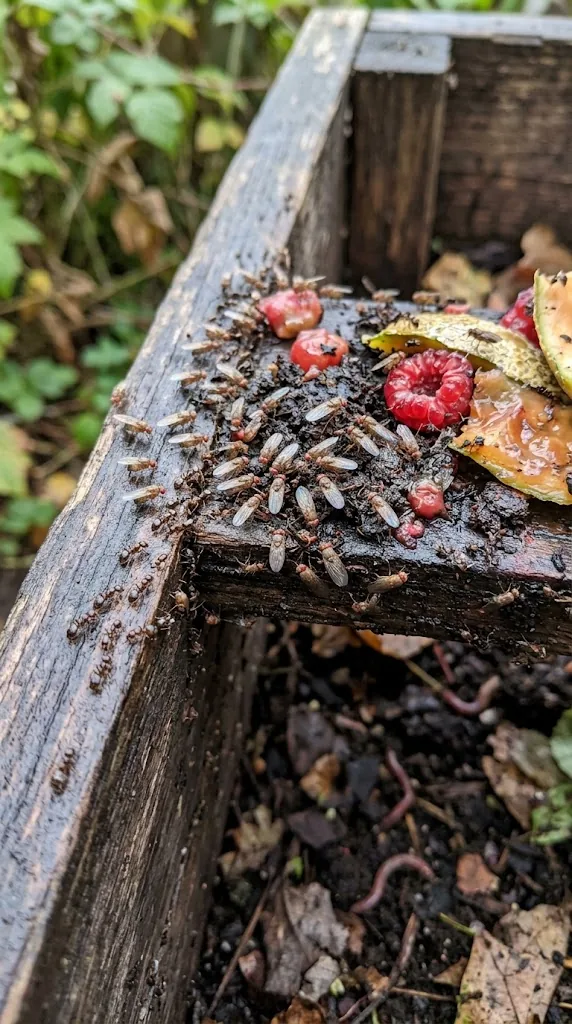
Jelly consists mainly of fruit juice, sugar, and gelling agents like pectin or gelatin. While natural fruit components break down easily, the high sugar content can attract unwanted pests such as ants, flies, and rodents to your backyard compost pile. Commercial jellies may also contain synthetic preservatives and artificial colors that slow down the decomposition process. If you decide to add leftover jelly, it must be used sparingly and buried deep within a hot, active compost pile to minimize pest attraction and prevent mold outbreaks.
Quick facts
| Carbon to nitrogen | High sugar, no specific ratio |
|---|---|
| Hot pile | 1-2 weeks |
| Cold pile | 1-2 months |
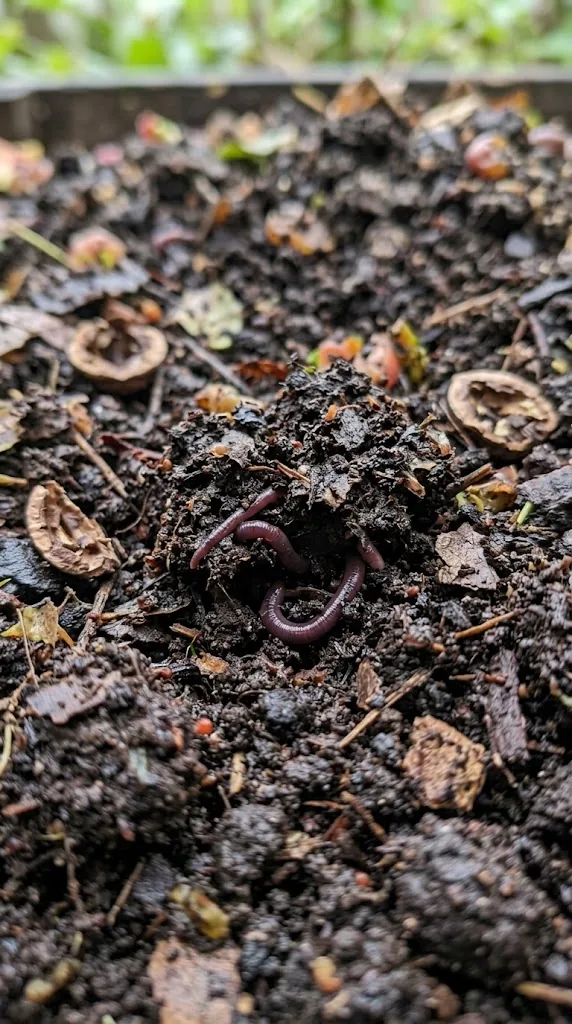
| Worm bin | No · Too sugary and acidic for worms |
| Bokashi | Yes · Accepts small amounts fermented |
| City green bin | Usually accepted; check local rules |
| Prep | Rinse off excess sugar if possible |
| Mix with | Mix thoroughly with high carbon browns |
| Pest risk | High · High sugar content attracts ants and flies |
How to compost jelly
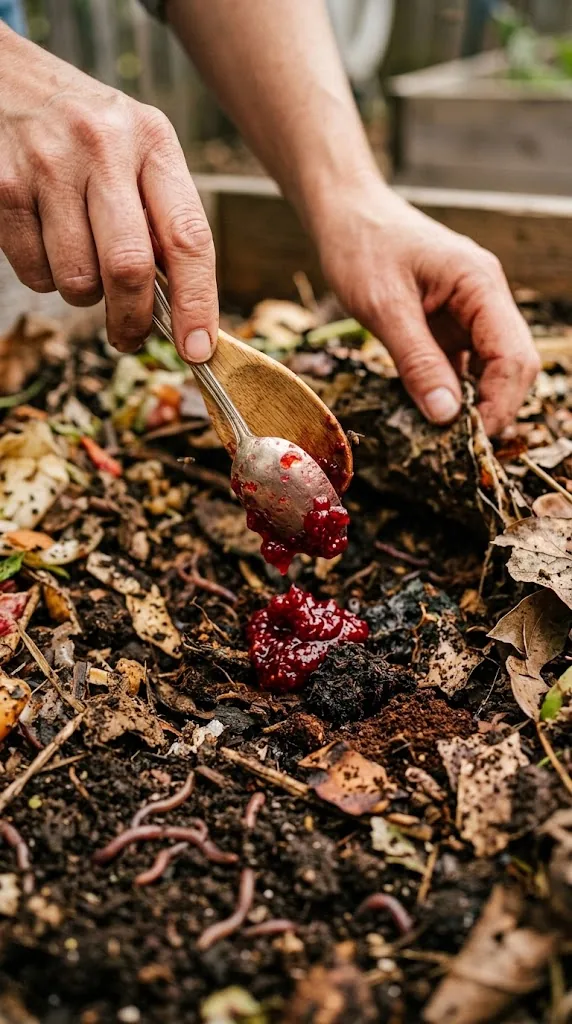
- Scrape small amounts of leftover jelly deep into the center of the compost pile.
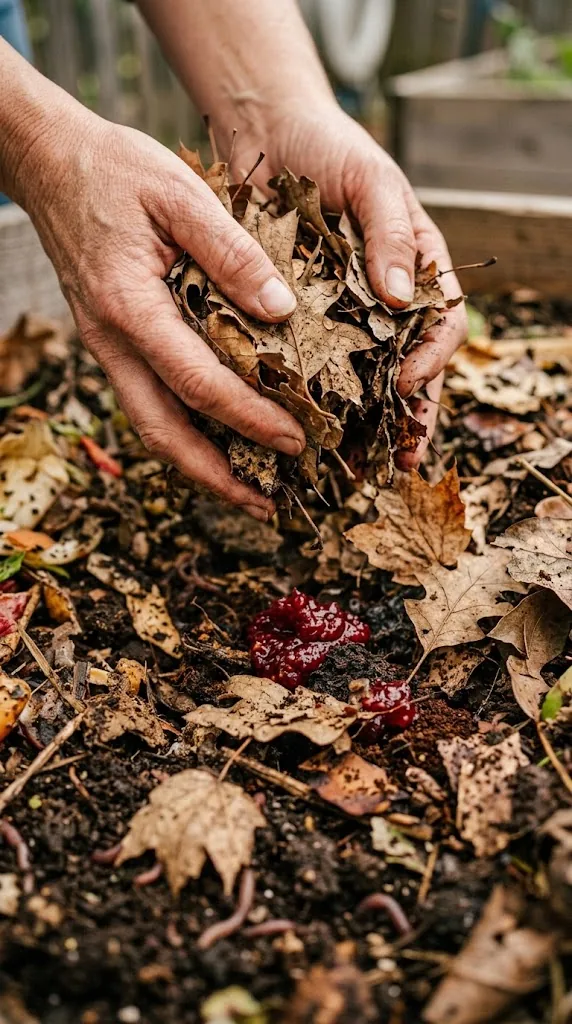
- Cover the jelly thoroughly with a layer of carbon-rich brown materials like dry leaves or wood chips.
- Monitor the pile closely for signs of pests or fruit fly infestations.
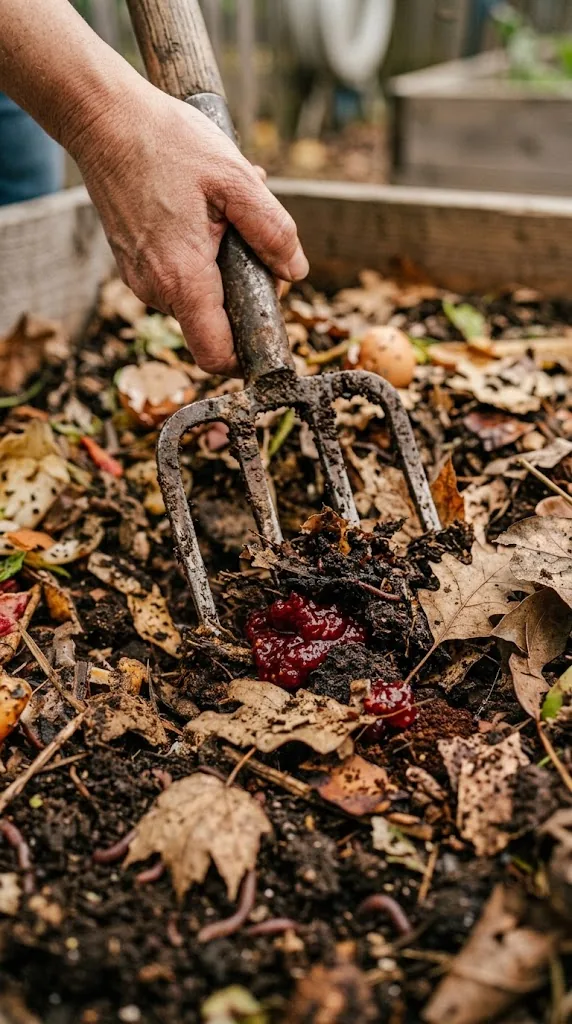
- Turn the pile regularly to help the sugary residue mix with other materials and break down faster.
How much jelly can you add to compost?
You should limit jelly additions to no more than one or two tablespoons per week for a standard backyard bin. Because jelly is a nitrogen-rich green material, it must be balanced with at least three times its volume in dry brown materials like shredded cardboard or straw. If you notice a sticky, foul-smelling sludge forming or see an increase in fruit fly activity, you have added too much and should stop adding it until the pile stabilizes.
Which types of jelly can you compost?
- Homemade fruit preserves: Yes. These are the safest option as they contain fewer synthetic preservatives and artificial additives.
- Commercial high-fructose jelly: Sometimes. The high concentration of processed sugars can disrupt the microbial balance and attract more pests than natural fruit.
- Sugar-free or keto jelly: No. Artificial sweeteners like aspartame or sucralose can be toxic to beneficial soil microbes and worms.
- Jelly with gelatin: Sometimes. Gelatin is an animal byproduct that can attract scavengers and should only be added to very hot, enclosed piles.
Watch out for
- High sugar content will attract pests and rodents.
- Large amounts can create a sticky, anaerobic sludge that halts decomposition.
- Artificial sweeteners or preservatives may inhibit beneficial microbes.
What to do instead
- Scrape into the regular trash if the quantity is large
- Rinse down the kitchen drain if it is water-soluble and free of large solids
Troubleshooting jelly in compost
- Foul, vinegar-like odor The sugar is fermenting anaerobically; turn the pile immediately and add more dry carbon materials to improve aeration.
- Persistent fruit fly swarm Ensure the jelly is buried at least 10 inches deep and cover the surface with a thick layer of finished compost or soil.
- Moldy surface patches Scrape off the visible moldy material and mix the surrounding area with fresh brown matter to balance the moisture levels.
Myths about composting jelly
- Myth: Jelly is just fruit, so it is always safe to compost. Truth: While fruit is safe, the concentrated sugar and processing agents in jelly change its chemical profile and pest-attraction potential.
- Myth: Adding jelly helps the compost pile heat up faster. Truth: While sugar provides energy for microbes, the rapid fermentation often leads to cooling or anaerobic conditions rather than beneficial heat.
Can jelly go in a green bin or recycling?
Most municipal green waste programs accept small amounts of food scraps, including jelly, because their industrial-scale facilities reach higher temperatures that break down sugars more efficiently than home bins. However, you should always check your local waste authority guidelines first. If the jelly is in a glass jar, rinse the container thoroughly before placing it in your curbside recycling bin. Never toss plastic or metal lids into the compost, as these are not biodegradable and must be sorted out manually.
Does composting jelly attract pests?
Yes, composting sugary jelly tends to attract unwanted pests to your backyard bin. The extremely high sugar content and sweet fruit aromas easily draw in ants, flies, fruit flies, and rodents like rats and mice. These animals are attracted to the concentrated energy source, and leaving jelly exposed on the surface can quickly lead to an active infestation. To prevent this, you must handle and bury the material carefully.
- Scrape small amounts of jelly deep into the center of the pile
- Cover the jelly thoroughly with a thick layer of carbon-rich brown materials
- Monitor the pile closely for signs of pest or fruit fly activity
- Turn the pile regularly to help the sugary residue break down faster
Common questions
Can I compost sugar-free jelly made with artificial sweeteners?
It is best to avoid composting sugar-free jellies because artificial sweeteners and chemical additives can harm the microorganisms and worms in your compost system.
Will jelly attract ants to my indoor worm bin?
Yes, the concentrated sugar in jelly will almost certainly attract ants, fruit flies, and other pests to an indoor vermicomposting bin, so it is best kept out.
Can I compost jelly that has gone moldy?
Yes, moldy jelly can go into an outdoor hot compost pile since mold is a natural decomposer, but you must bury it deeply to keep pests away.
Is jelly biodegradable?
Yes. Jelly is fruit and sugar and biodegrades within a few weeks. Its sugar attracts ants and rodents, so keep amounts small and buried.
Rules vary by town and by composting method. When in doubt, check with your local composting or waste program.