
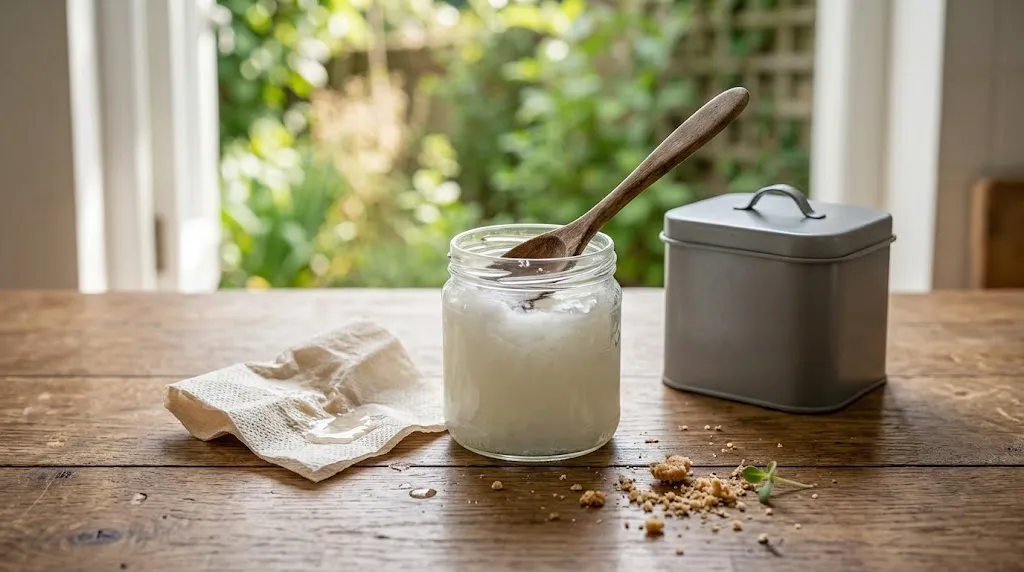
You can compost small amounts of coconut oil in a hot, active compost pile, but it is generally best avoided in backyard bins. Large quantities can cause significant issues with pests and odors.
Why
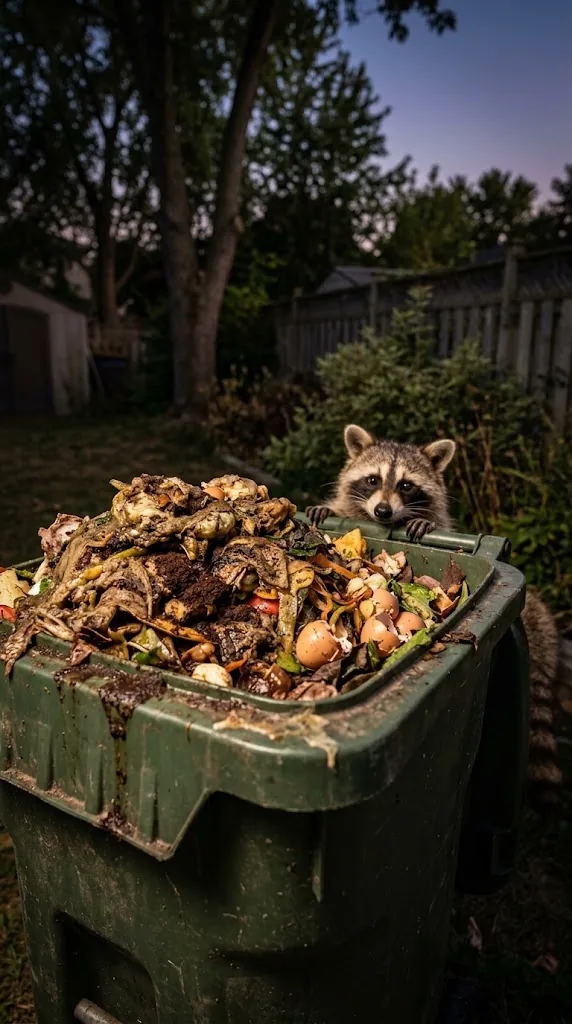
Coconut oil is a lipid, and like all fats, oils, and greases, it is difficult for standard backyard compost piles to break down efficiently. When added in large amounts, it coats organic materials, creating a waterproof barrier that prevents oxygen from reaching the microbes necessary for decomposition. This leads to anaerobic conditions, which cause foul odors and attract pests like raccoons, rats, and flies. If you have a very hot, well-managed industrial or high-heat compost system, small amounts may be processed, but for most home gardeners, it is better to exclude it.
Quick facts
| Carbon to nitrogen | Varies |
|---|---|
| Hot pile | 1-3 months |
| Cold pile | 3-6 months |
| Worm bin | Sometimes · Small amounts only; excess can harm worms. |
| Bokashi | Yes · Fats ferment well in a bokashi system. |
| City green bin | Usually accepted; check local rules |
| Prep | Wipe thin or mix thoroughly to prevent clumping. |
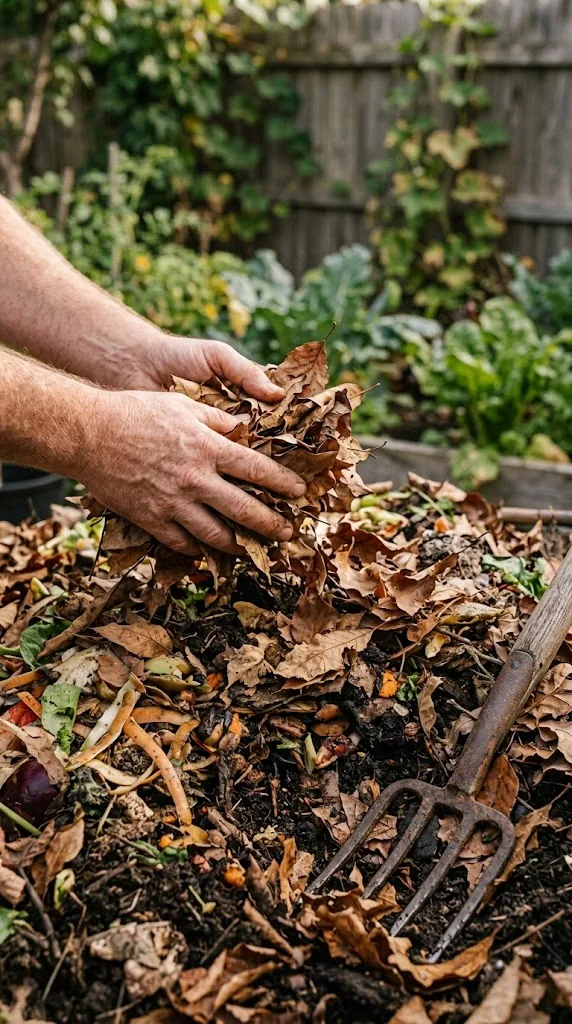
| Mix with | Mix with high-carbon brown materials like dry leaves. |
| Pest risk | High · Oils attract rodents; bury deep inside the pile. |
How to compost coconut oil
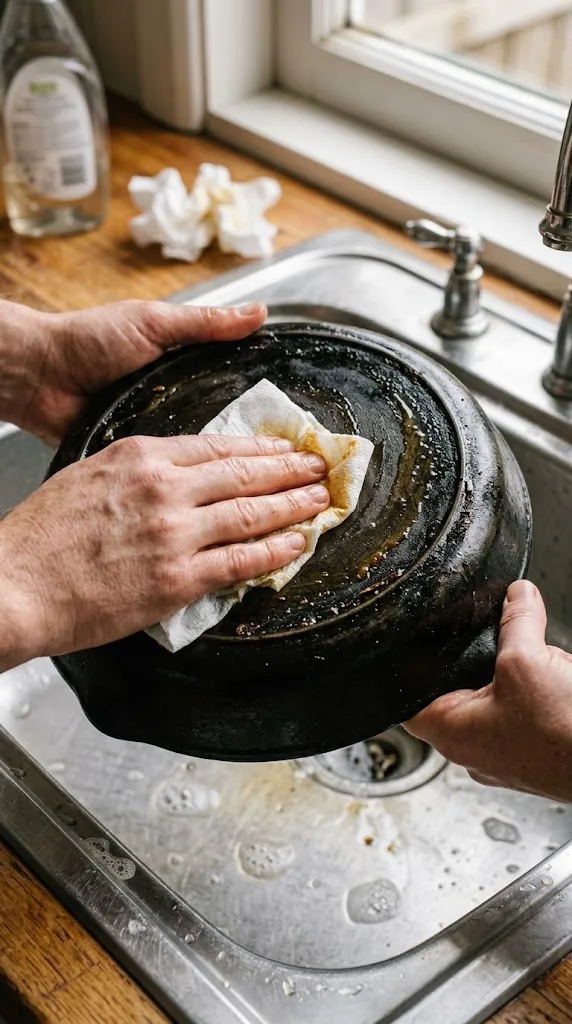
- Wipe excess oil from pans using a paper towel and compost the paper towel instead.
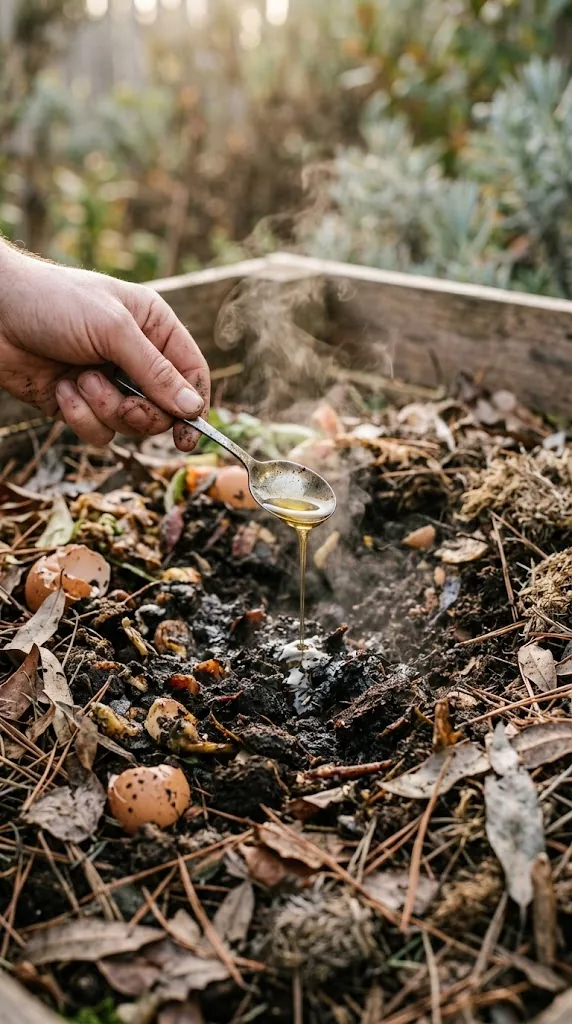
- If you must add it, mix a very small amount thoroughly into the center of a hot, active pile.
- Ensure the pile has plenty of dry, carbon-rich materials like leaves or straw to absorb the moisture.
- Monitor the pile closely for signs of pests or unpleasant smells after adding.
How much coconut oil can you add to compost?
You should limit additions of coconut oil to a maximum of one tablespoon at a time, ensuring it is wiped onto a paper towel rather than poured in as a liquid. This tiny amount represents less than one percent of a standard backyard pile volume. Always pair it with a generous handful of dry carbon-rich materials like shredded cardboard or brown leaves to absorb excess moisture. If you notice a rancid smell or sticky clumps forming, you have added too much.
Which types of coconut oil can you compost?
- Unrefined virgin coconut oil: Sometimes. This raw form retains a strong coconut scent that can intensely attract rodents. Only tiny amounts thoroughly buried in a hot pile are acceptable.
- Refined coconut oil: Sometimes. Processed and stripped of most aroma, it attracts scavengers slightly less than virgin varieties. Still, its high lipid content demands careful management.
- Coconut oil residue on paper towels: Yes. Thin films wiped onto napkins or paper towels break down easily without creating the waterproof barriers caused by liquid pools.
- Expired or rancid coconut oil: No. Spoiled oils are intensely aromatic and will immediately draw pests to your yard. They should be sealed and discarded in the trash instead.
Watch out for
- Large amounts will attract rodents and other scavengers to your bin.
- Oil can create anaerobic pockets that stop the composting process.
- Avoid adding oil if your pile is already struggling with odors or excess moisture.
What to do instead
- Dispose of small amounts in your regular trash bin.
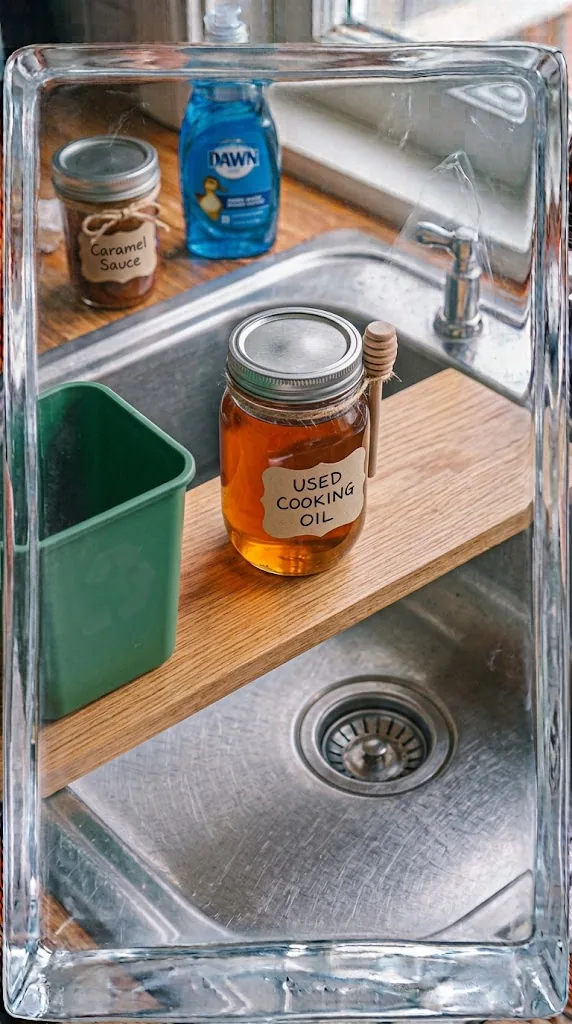
- Collect large amounts in a container and dispose of it with your household waste.
- Check if your municipality offers a fats, oils, and grease (FOG) recycling program.
Troubleshooting coconut oil in compost
- The pile develops a foul, rancid odor. Turn the pile immediately and add dry carbon materials like straw or wood shavings to restore aerobic conditions and neutralize smells.
- A greasy, water-resistant mat forms on top of the pile. Break up the matted layer with a pitchfork and thoroughly mix the affected materials deep into the hot core of the compost.
- Rats or raccoons start digging into the bin. Stop adding all fats immediately, secure your bin with a tight-fitting lid or hardware cloth, and bury existing food scraps deeper.
Myths about composting coconut oil
- Myth: Because coconut oil is plant-based, it breaks down just as easily as vegetable scraps. Truth: While it originates from a plant, coconut oil is a saturated fat that behaves like animal fats in a compost pile, resisting rapid microbial breakdown.
- Myth: Pouring boiling water over coconut oil in the bin will wash it away and prevent issues. Truth: Water cannot dissolve lipids, and adding hot water will only increase the moisture level, creating anaerobic conditions and spreading the oil further.
Can coconut oil go in a green bin or recycling?
Most municipal green waste and curbside food scrap collection programs strictly prohibit liquid fats, oils, and grease, including coconut oil, because they disrupt industrial composting machinery and attract animal vectors at processing facilities. However, some commercial composting facilities with high-heat anaerobic digesters or specialized aerobic systems can process small amounts. You should always check your local waste management guidelines before placing any oily items into your municipal green bin, as violations can result in rejected collections.
Does composting coconut oil attract pests?
Adding coconut oil to your compost bin can definitely attract pests such as rats, mice, raccoons, and flies. Because it is a lipid and a concentrated food source, its rich scent easily draws scavengers. Furthermore, when large amounts of oil coat organic materials and create anaerobic pockets that stall decomposition, the resulting foul odors signal hungry pests that food is available.
- Wipe excess oil from pans with a paper towel and compost the soiled paper towel instead of pouring oil directly into the bin.
- Mix only very small amounts of oil thoroughly into the center of a hot, active compost pile.
- Ensure the pile has plenty of dry, carbon-rich materials like leaves or straw to absorb moisture and cover the waste.
- Monitor your compost closely for any signs of unpleasant smells or unwanted scavengers.
Common questions
Can I compost coconut oil if it is solid?
Whether solid or liquid, it is still a fat that is difficult for backyard piles to process. It is best to avoid adding it regardless of its state.
Will coconut oil kill the worms in my vermicompost bin?
Yes, you should never add oils or fats to a worm bin. It can coat the worms' skin and disrupt their ability to breathe, likely killing them.
Is coconut oil better than other cooking oils for composting?
No, all cooking oils, including coconut, olive, and vegetable oils, pose the same risks of attracting pests and creating anaerobic conditions in a compost pile.
Is coconut oil biodegradable?
Yes. Coconut oil is a plant fat and is biodegradable, but fats break down slowly and can coat other materials, which is why only small amounts belong in compost.
Rules vary by town and by composting method. When in doubt, check with your local composting or waste program.