
Yes, you can compost peanut shells, but they take a very long time to break down unless crushed and added to a hot, active compost pile.
Why
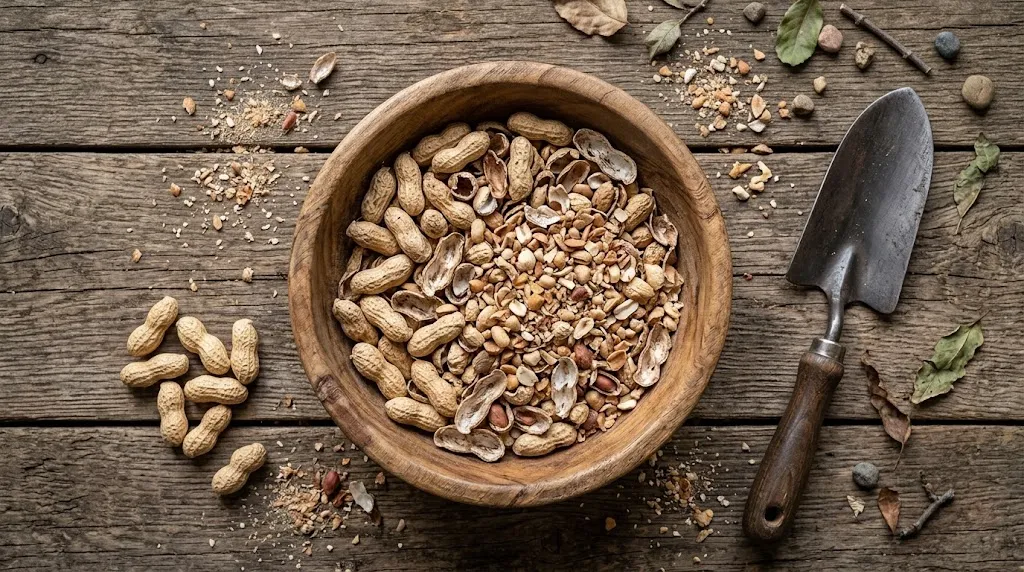
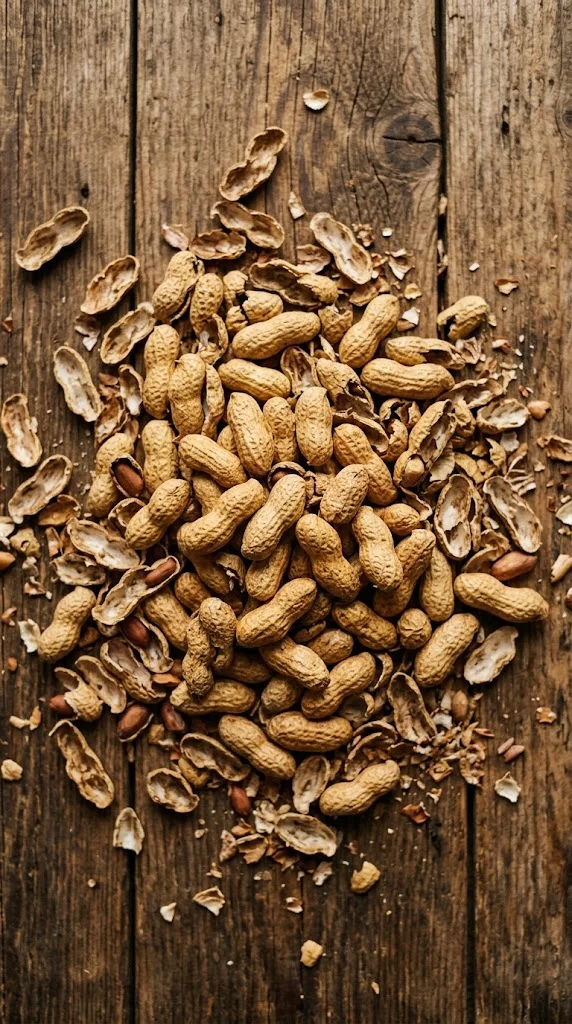
Peanut shells are a woody, carbon-rich brown material that provides great structural bulk to a compost pile. However, because they are designed by nature to protect the nut, they have a tough lignin structure that resists rapid microbial decay. Whole shells can take years to decompose in a cold pile. To speed up the process, you should crush them into smaller pieces before adding them. Also, ensure you are not using salted or flavored shells that have heavy oil or chemical residues, as these can attract pests or harm beneficial soil microbes.
Quick facts
| Carbon to nitrogen | About 35:1 |
|---|---|
| Hot pile | 3-6 months |
| Cold pile | 1-2 years or longer |
| Worm bin | Sometimes · Only small amounts of unsalted, crushed shells |
| Bokashi | Yes · Can be added to the fermenting bin |
| City green bin | Usually accepted in green bins |
| Prep | Crush or grind into smaller pieces |
| Mix with | Mix with high-nitrogen green materials |
| Pest risk | Medium · Salted shells attract rodents and other pests |
How to compost peanut shells
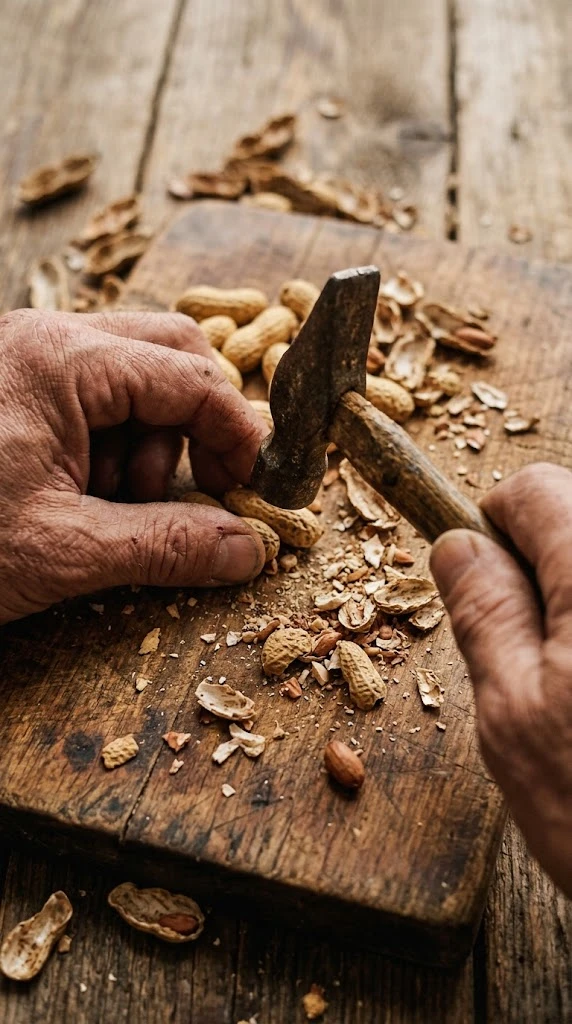
- Crush or grind the peanut shells into smaller pieces using a hammer or blender to speed up decomposition.
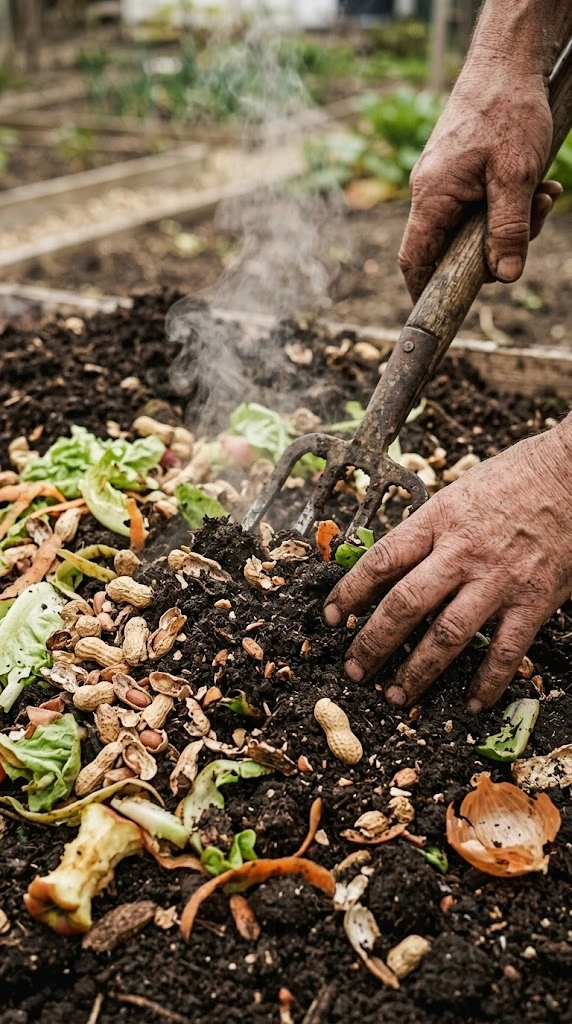
- Mix the crushed shells thoroughly into your compost pile to ensure good contact with moisture and nitrogen-rich greens.
- Keep the pile moist and turn it regularly to aerate and encourage microbial breakdown.
- Monitor the pile temperature and aim for a hot composting method if you want them to break down within a few months.
How much peanut shells can you add to compost?
Peanut shells should make up no more than five to ten percent of your total compost pile volume. Because they are a bulky brown material, add them in moderate handfuls distributed evenly throughout the bin rather than dumping a massive bag at once. Balance every single part of crushed shells with roughly two to three parts of nitrogen-rich greens like fresh grass clippings or kitchen scraps. If you notice the pile becoming excessively dry or the shells remaining completely unchanged for months, you have likely added too much without enough moisture.
Which types of peanut shells can you compost?
- Raw, unsalted whole shells: Sometimes. Natural and safe for soil, but these whole pods possess a tough lignin structure and will take one to three years to decompose completely in a standard cold pile.
- Crushed plain shells: Yes. Breaking the shells into smaller fragments dramatically increases the surface area for microbes, allowing them to break down within three to six months in an active pile.
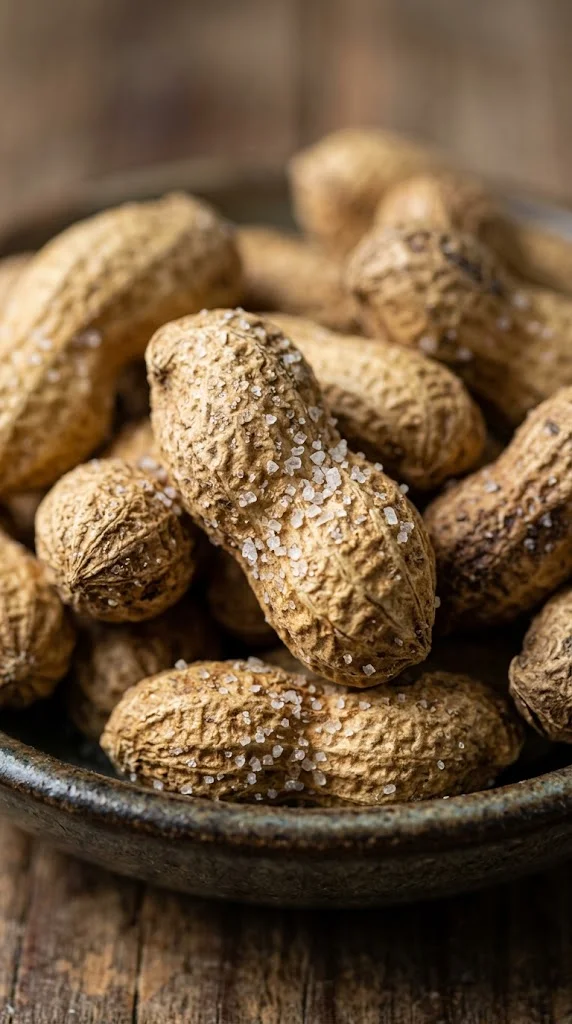
- Salted or flavored snack shells: No. Heavy coatings of sodium, artificial seasonings, and oils can disrupt the delicate moisture balance of your pile and strongly attract rodents and scavenging pests.
- Boiled peanut shells: Sometimes. Soaking and boiling softens the woody exterior and speeds up microbial entry, but you must ensure they are entirely free of added salt and spices before composting.
Watch out for
- Avoid composting shells covered in heavy salt, oils, or artificial flavorings, which attract rodents.
- Whole, uncrushed shells can take years to break down and may still be intact when you use your finished compost.
- Ensure they are true peanut shells and not treated with chemicals or pesticides from commercial processing.
What to do instead
- Use crushed peanut shells as a weed-suppressing mulch around garden plants and flower beds.
- Throw them in the regular household trash if they are heavily salted or attract pests.
- Mix them directly into heavy clay soil to improve aeration and drainage.
Troubleshooting peanut shells in compost
- The shells are not breaking down at all after many months. Your pile is likely too cold or dry. Turn the material more frequently, add water, and ensure the shells were crushed into smaller fragments before adding.
- Rodents are digging into the compost bin around the peanut waste. Ensure you are only composting plain varieties and bury the shells deep in the center of the pile rather than leaving them exposed on the surface.
- The pile is developing a dense, impenetrable mat of woody material. Break up clumps with a pitchfork and mix in finer green materials like shredded leaves or grass clippings to maintain adequate airflow.
Myths about composting peanut shells
- Myth: All peanut shells decompose just as quickly as soft green vegetable scraps. Truth: Peanut shells are protected by a tough, woody exterior designed to shield the seed, meaning they require significantly more time and warmth to degrade.
- Myth: You can toss commercially roasted and heavily salted peanut shells straight into the compost bin. Truth: The heavy concentrations of salt and residual oils inhibit beneficial microbial activity and act as an immediate beacon for local pests and rodents.
Can peanut shells go in a green bin or recycling?
Municipal green waste bins and commercial curbside food-scrap programs generally accept plain peanut shells, provided they are free of excessive salt and artificial flavorings. However, industrial facilities vary widely on whether they accept treated or salted nut husks due to pest concerns and soil chemistry impacts. Always shake off any excess surface salt or seasoning before tossing them into your municipal bin. Be sure to check your local waste management guidelines to confirm whether woody agricultural byproducts are permitted in your specific green waste stream.
Does composting peanut shells attract pests?
Composting peanut shells can sometimes attract pests, particularly if the shells are flavored with heavy oils, salt, or artificial seasonings. Rodents such as rats and mice are naturally drawn to these lingering food residues and the nutty scent. To prevent unwanted critters from invading your compost bin, it is important to properly prepare the shells and avoid tossing in heavily processed or salted varieties.
- Avoid composting peanut shells covered in heavy salt, oils, or artificial flavorings.
- Crush the shells thoroughly and bury them deep within the center of the compost pile.
- Cover the pile with a thick layer of carbon-rich browns or finished compost to mask any odors.
- Use a secure, pest-resistant compost bin with a tight-fitting lid to keep rodents out.
Common questions
Can I compost salted peanut shells?
It is best to avoid salted shells because high levels of sodium can harm your soil microbes and attract unwanted pests like rats and mice.
Do I need to crush peanut shells before composting?
Yes, crushing them significantly increases the surface area exposed to bacteria and fungi, cutting the breakdown time from years down to months.
Are peanut shells greens or browns?
Peanut shells are considered a brown material because they are dry, woody, and high in carbon, making them a great balancing agent for wet nitrogen-rich food scraps.
Are peanut shells biodegradable?
Yes. Peanut shells are biodegradable plant fiber, but they are tough and can take 1-3 years whole. Crushed in a hot pile they break down in a few months.
Rules vary by town and by composting method. When in doubt, check with your local composting or waste program.