
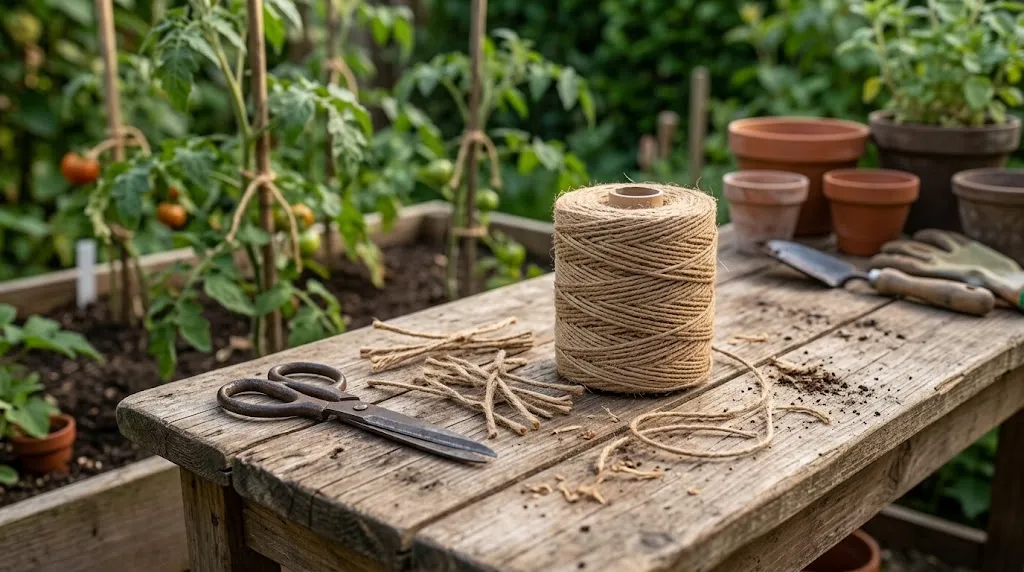
You can compost twine only if it is made entirely from natural fibers like sisal, jute, cotton, or hemp. Synthetic twines made of nylon, polyester, or plastic will not break down.
Why
The ability to compost twine depends entirely on its material composition. Natural plant-based fibers are organic materials that soil microbes can readily digest, making them a great carbon-rich addition to your compost pile. However, synthetic twines are essentially plastic polymers that persist in the environment indefinitely, fragmenting into microplastics that contaminate your finished compost and harm soil health. Always verify the fiber content before tossing any twine into your bin.
Quick facts
| Carbon to nitrogen | Varies |
|---|---|
| Hot pile | 2-4 months |
| Cold pile | 4-12 months |
| Worm bin | Sometimes · Natural fibers only, cut into small pieces |
| Bokashi | Sometimes · Natural twine breaks down well during fermentation |
| City green bin | Accepted if natural fiber; check local rules |
| Prep | Ensure it is 100 percent natural and cut into short lengths |
| Mix with | Cut into small pieces to avoid tangling in tools |
| Pest risk | Low · Does not attract pests unless contaminated with food residue |
How to compost twine
- Check the label or conduct a burn test to confirm the twine is 100 percent natural fiber.
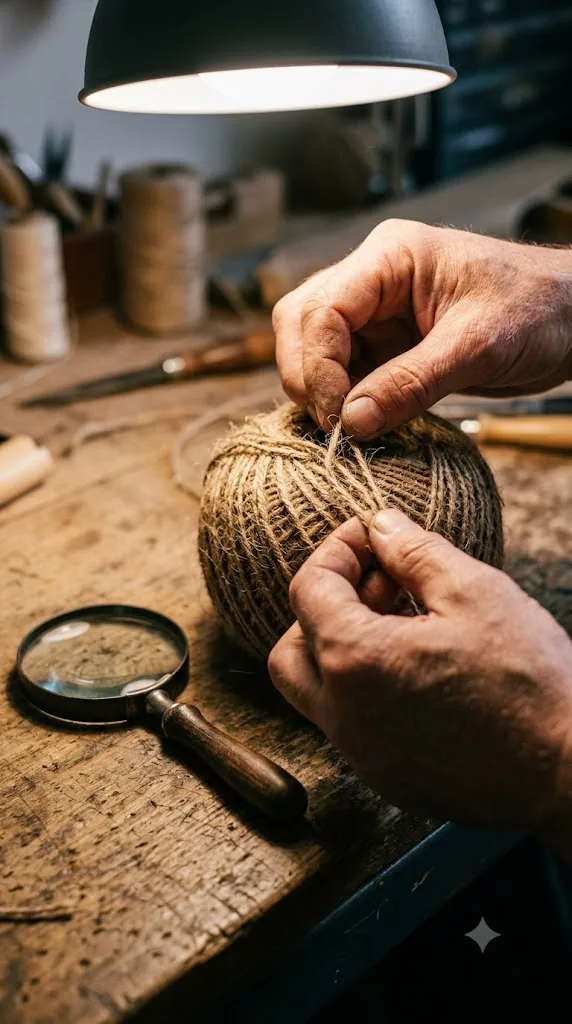
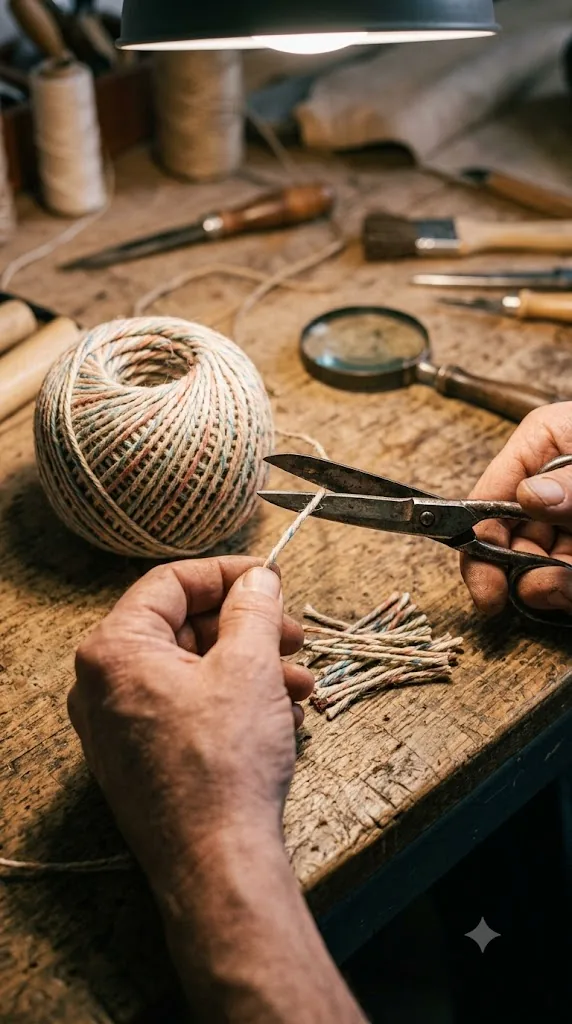
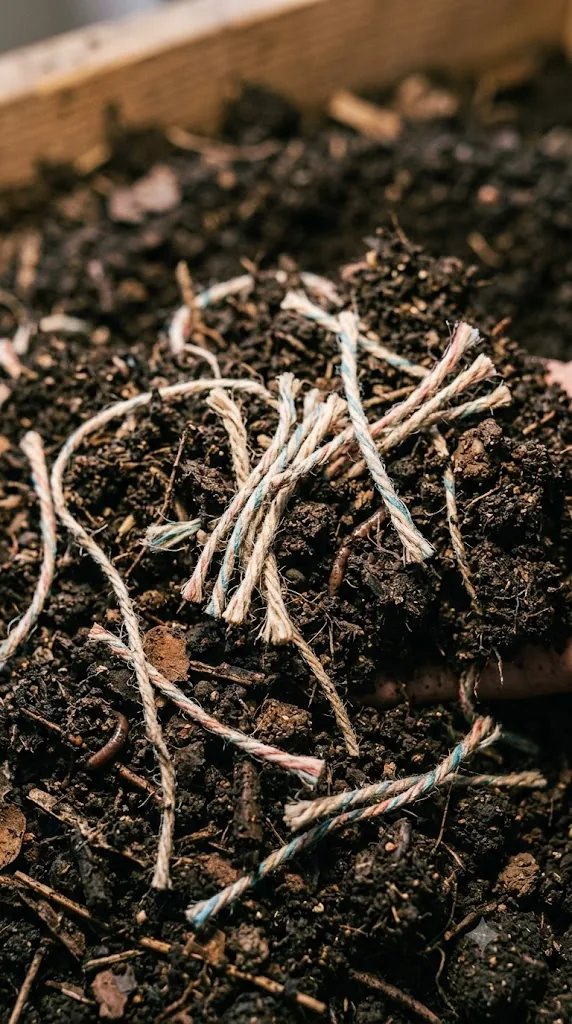
- Cut the twine into short pieces measuring two to three inches to speed up the decomposition process.
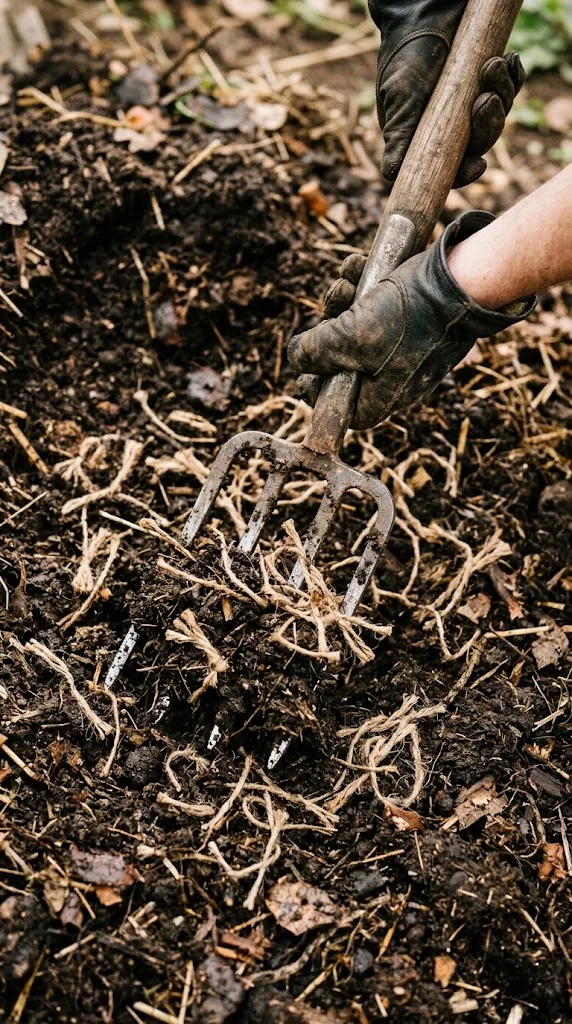
- Mix the twine pieces thoroughly into your compost pile to prevent them from tangling around tools or clumping.
- Bury the twine deeper inside a hot, active compost pile to encourage faster microbial breakdown.
How much twine can you add to compost?
Natural fiber twine should make up only a small fraction of your browns, ideally no more than a few ounces per addition to prevent tangled clumps. Pair this carbon-rich material with nitrogen-heavy greens like fresh grass clippings or vegetable scraps to maintain a proper balance. If you notice dense mats forming or slow breakdown, you have likely added too much twine at once without adequate chopping.
Which types of twine can you compost?
- Cotton twine: Yes. Pure cotton breaks down very quickly in a standard compost pile. Ensure it lacks synthetic core threads.
- Jute or sisal twine: Yes. These coarse plant fibers are excellent browns that soil microbes digest easily. Cut them into short lengths first.
- Polypropylene twine: No. This is a plastic polymer that will never biodegrade. It must be kept out of the compost pile entirely.
- Waxed butcher twine: Sometimes. The natural fibers are compostable, but the wax coating delays breakdown. Only add small amounts to a hot pile.
Watch out for
- Avoid composting twine that has been treated with chemical preservatives, waxes, or synthetic oils.
- Ensure there are no hidden synthetic core threads inside natural-looking fiber bundles.
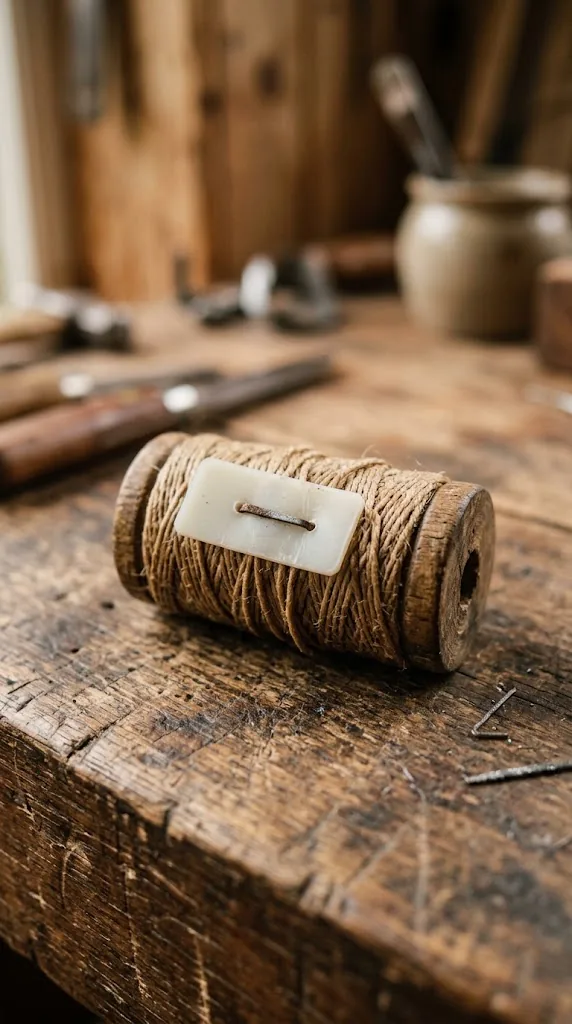
- Remove any plastic tags, tape, or metal staples attached to the twine before composting.
What to do instead
- Reuse sturdy natural twine for garden tying or craft projects
- Recycle synthetic twine if local facilities accept film plastics or cords
- Dispose of synthetic twine in the household trash
Troubleshooting twine in compost
- Twine tangles around compost turning forks or pitchforks. Always cut the twine into pieces measuring two to three inches before tossing it into the bin.
- Twine persists unchanged for months in the pile. The twine is likely synthetic, or your pile lacks sufficient moisture and heat to break down tough plant fibers.
- Twine clumps together and blocks airflow. Scatter the short pieces evenly throughout the pile and mix them thoroughly with other materials.
Myths about composting twine
- Myth: All string-like materials sold at garden centers are natural and safe to compost. Truth: Many garden twines are made of treated nylon or polyester to resist weathering. Always check the label or perform a burn test.
- Myth: Leaving long pieces of twine in the pile helps tie together loose yard waste. Truth: Long strings create massive tangles that ruin mechanical sifters and wrap around turning tools. Always chop twine into short segments.
Can twine go in a green bin or recycling?
Municipal green bins and commercial composting facilities almost always reject natural fiber twine because long strings can tangle industrial shredders and sorting machinery. Curbside recycling programs similarly reject all types of twine, as they jam sorting rollers. If your twine is synthetic or treated with preservatives, you must place it in the household trash. Always consult your local waste management guidelines before putting any cordage into municipal organic waste streams.
Does composting twine attract pests?
Composting natural fiber twine does not attract pests. Because twine is a carbon-rich brown material, adding it to your compost pile helps cover fresh food scraps and other odoriferous green materials. Using twine and other dry browns as a top layer masks strong food smells that typically draw in pests like rodents, flies, and raccoons, keeping your compost bin secure and pest-free.
- Cut the twine into small pieces and scatter them evenly across the pile.
- Use the twine pieces to form a dense cover layer over fresh food scraps.
- Top the layer with additional carbon materials to completely block odors.
- Ensure the twine is 100 percent natural and free of food residues or oils.
Common questions
How can I tell if my twine is natural or synthetic?
You can perform a simple burn test by holding a flame to a small piece of the twine. Natural fibers like cotton and jute will smell like burning leaves or paper and turn into a soft ash, while synthetic fibers will melt, smell like burning plastic, and form a hard bead.
Can I compost butcher twine?
Yes, traditional butcher twine is usually made of 100 percent cotton or linen and is safe for the compost bin. Just make sure to wipe off any heavy grease or meat residues first to avoid attracting pests.
Will garden twine marked biodegradable break down in a home compost?
Biodegradable twines often require specific industrial composting conditions with high heat and controlled moisture to break down completely. Unless the packaging explicitly states it is home compostable, it is safer to put it in the trash.
Rules vary by town and by composting method. When in doubt, check with your local composting or waste program.