
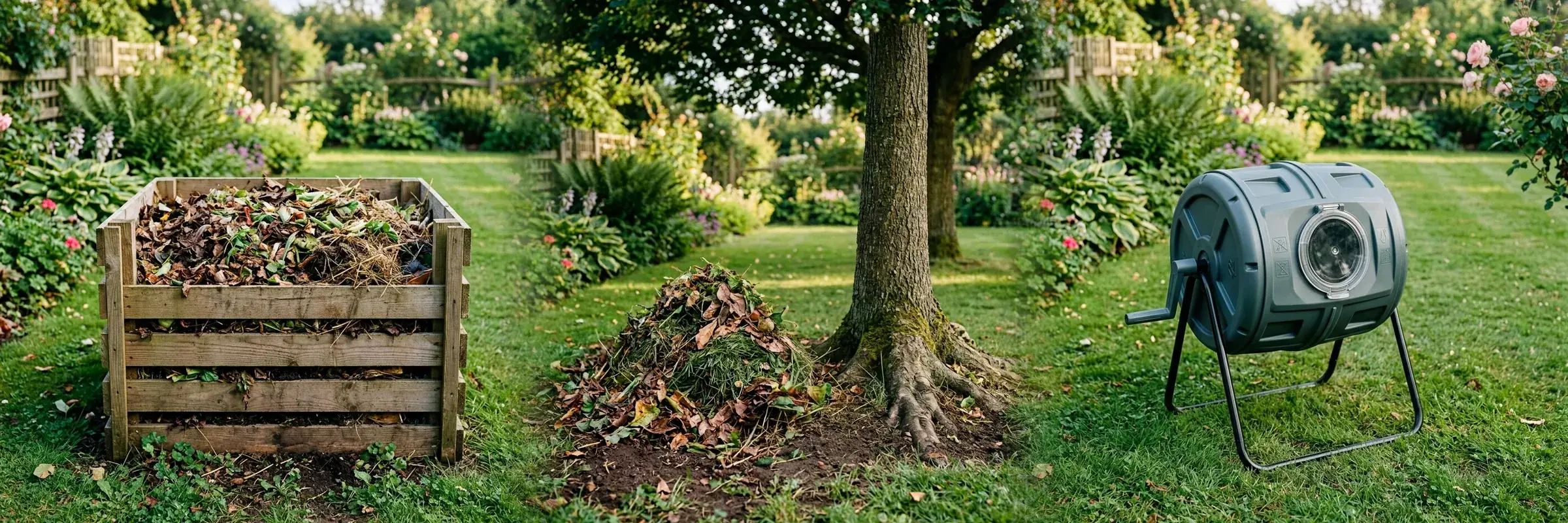
Yes, as long as the plants were healthy. Chop the vines up so they break down faster.
Why
Tomato vines and leaves are green plant matter, so they add nitrogen and break down quickly in a hot pile. The risk is disease: blight and wilt can survive in the vines and come back on your garden if the compost doesn't get hot enough.
Quick facts
| Carbon to nitrogen | About 30:1 |
|---|---|
| Hot pile | 4-8 weeks |
| Cold pile | 3-6 months |
| Worm bin | Sometimes · Chop small; avoid if diseased. |
| Bokashi | Yes · Ferments well along with other garden waste. |
| City green bin | Usually accepted; check local rules |
| Prep | Chop vines into smaller pieces and inspect for blight. |
| Mix with | Mix with dry leaves or wood chips to balance moisture. |
| Pest risk | Low · Ensure plant material is buried deep to deter insects. |
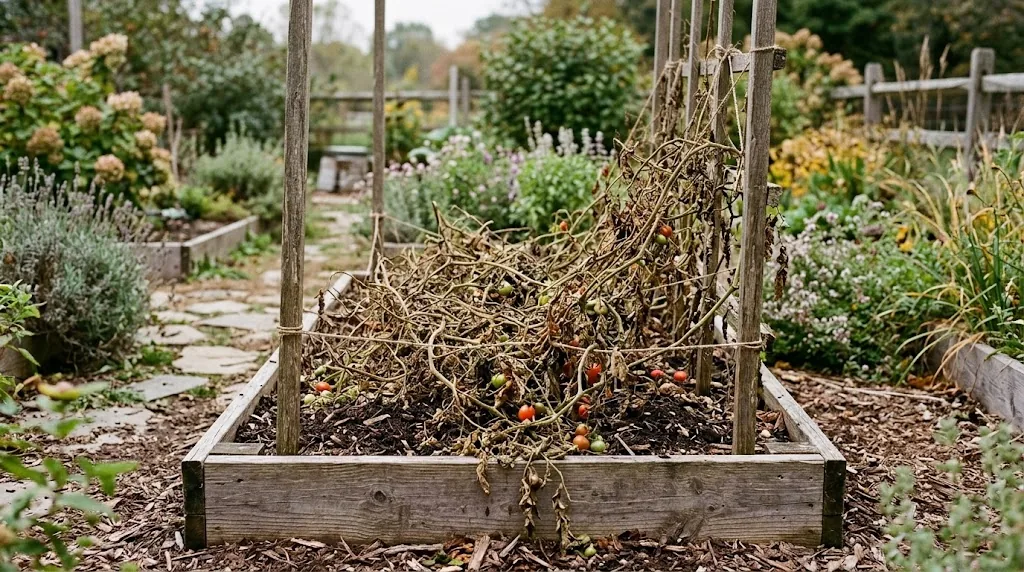
How to compost tomato plants
- Pull the plants once the season is over, or when they are clearly diseased and you are removing them.
- Cut the vines into pieces about 5 cm (2 inches) long.
- Mix them with dry material like leaves or straw.
- Turn the pile often so the centre gets hot for several days.
How much tomato plants can you add to compost?
Healthy tomato plants can make up about ten to fifteen percent of a well-balanced home compost pile by volume. Because they are considered a green nitrogen-rich material, you should pair every single bucket of chopped tomato vines with roughly two equal buckets of carbon-heavy brown materials like dry autumn leaves, shredded cardboard, or straw. If you notice your pile becoming excessively soggy, heavy, or starting to smell sour, you have likely added too much green plant matter at once and need to mix in more dry browns immediately.
Which types of tomato plants can you compost?
- Healthy green vines: Yes. These decompose quickly in a properly managed pile and provide valuable nitrogen to fuel the composting process.
- Blight-infected plants: Sometimes. You can only compost these if your pile reliably maintains high internal temperatures for a sustained period to kill the pathogens.
- Root balls with clinging soil: Yes. Shake off excess heavy dirt before adding them to prevent your compost bin from becoming unnecessarily compacted and muddy.
Watch out for
- Don't compost plants with blight, wilt, or visible fungus unless your pile reaches high temperatures.
- Leave out any plants you sprayed with a systemic weed killer.
- Pull out the stems on any plant that has fruit rot.
Other ways to use tomato plants
- Bag diseased plants and put them in the trash.
- Use the healthy vines as mulch for paths, but not beds where you grow tomatoes next year.
Troubleshooting tomato plants in compost
- The thick tomato stems are refusing to break down and remain intact after months. Chop the woody stems into much smaller two-inch pieces and thoroughly mix them deeper into the center of the active pile.
- The pile is holding too much moisture and becoming slimy around the plant material. Stop adding green waste temporarily and fork in dry straw or shredded paper to absorb the excess water.
- Fungal spots from the garden plants are spreading through the compost container. Turn the pile vigorously to increase aeration and ensure the core reaches high temperatures to eliminate the fungal spores.
Myths about composting tomato plants
- Myth: All parts of the tomato plant are naturally toxic and will poison your entire compost pile. Truth: While tomato leaves contain trace compounds that taste bitter, they are completely safe to compost and break down into harmless organic matter.
- Myth: You can never compost any tomato plant because they all automatically carry incurable plant diseases. Truth: Healthy tomato plants harvested at the end of the season are entirely safe for your compost bin as long as they showed no signs of illness.
Can tomato plants go in a green bin or recycling?
Most municipal green waste and curbside food-waste collection programs readily accept tomato plants, especially during the autumn garden cleanup season. Before tossing them into your municipal bin, shake off any large clumps of garden soil and remove physical items like wooden tomato stakes, plastic plant tags, or metal cages. Because municipal composting rules vary significantly by region regarding plant diseases, always check your local waste management guidelines to confirm whether diseased garden vegetation is permitted.
Does composting tomato plants attract pests?
Composting healthy tomato plants does not typically attract pests. Because tomato vines and leaves are green plant matter rather than high-odor food waste, they do not draw creatures like rodents or flies on their own. In fact, adding chopped tomato vines to your compost pile helps by serving as a useful layer of organic matter to cover and conceal fresh food scraps and other smelly materials, thereby hiding odors and keeping common pests away from your bin.
- Chop the tomato vines into small pieces so they blend smoothly into the pile.
- Use the chopped vines as a green layer to cover smelly food scraps.
- Mix the plant material thoroughly with dry browns like leaves or straw.
- Turn the pile regularly to maintain proper decomposition and discourage pests.
Common questions
Can I compost tomato plants with blight?
Only in a pile that stays hot for weeks. Otherwise, bag them and throw them out.
Are tomato leaves safe to compost?
Yes. Tomato leaves are safe. They are bitter but they break down like any other green matter.
Is tomato-plant compost safe for other tomatoes?
Yes, if the pile got hot enough to kill disease. Many gardeners use it, but don't add it to a bed where tomatoes grew last year.
Is tomato plant biodegradable?
Yes. The whole plant breaks down completely, usually within a few months.
Rules vary by town and by composting method. When in doubt, check with your local composting or waste program.