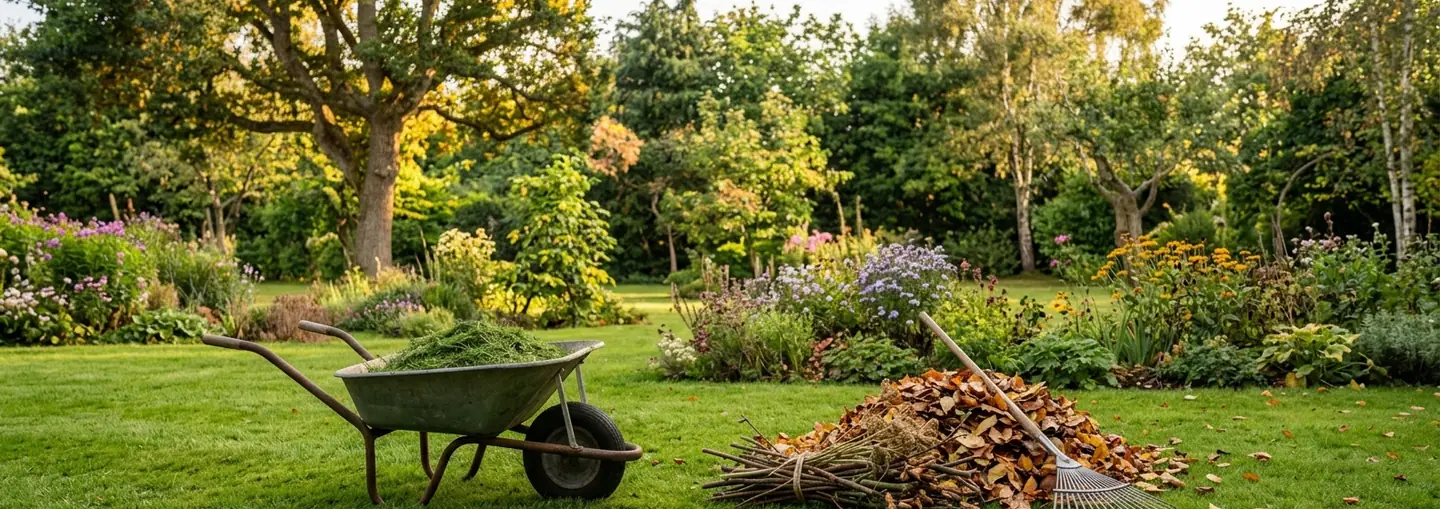
Yard & Garden
Leaves, grass, weeds, branches and garden waste. Green clippings add nitrogen and heat, while dry leaves and woody stems add carbon and structure, so mix the two. Leave out diseased plants, weeds that have gone to seed, and anything treated with herbicide, and cut branches small since thick wood can take a year or more.
-

Can You Compost Beehives?
Sometimes. Untreated hive wood and wax can compost, but hives lost to disease never should. Here’s what to…
-
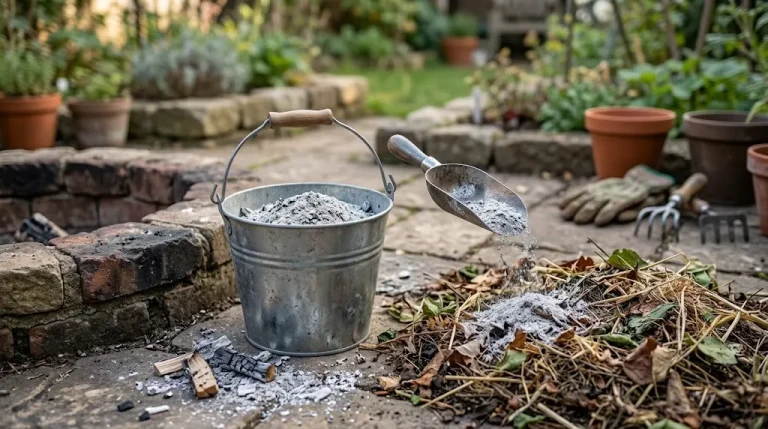
Can You Compost Fire Ashes?
Sometimes. A little clean wood ash helps, but charcoal briquette ash and big doses harm your pile. Here’s…
-
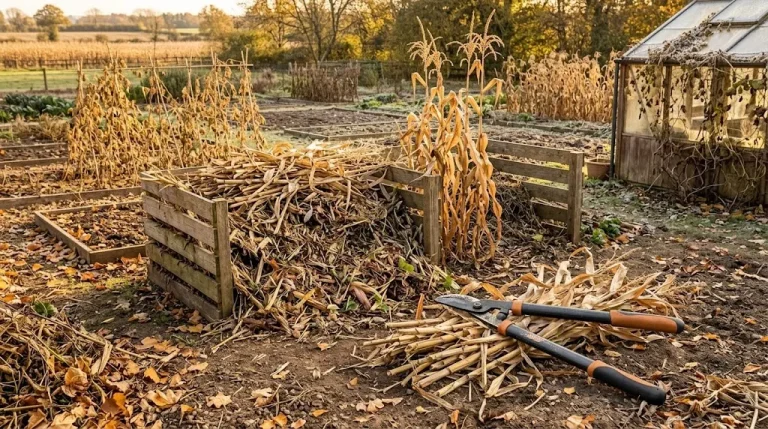
Can You Compost Corn Stalks?
Yes. Corn stalks are a great brown, but whole stalks block heat in your pile. Here’s how to…
-
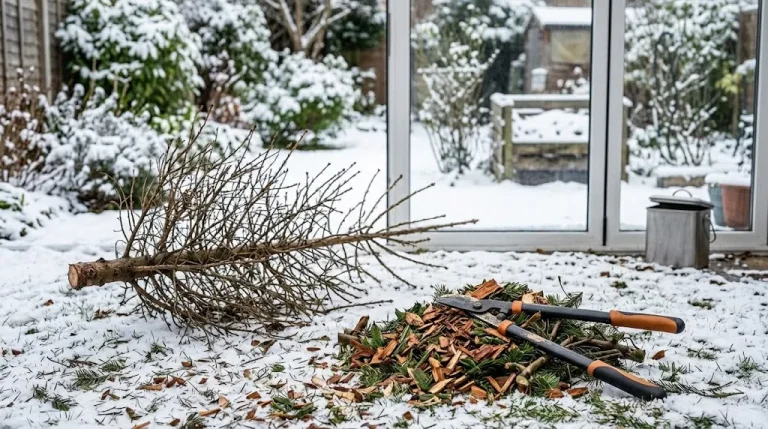
Can You Compost Christmas Trees?
Sometimes. A whole Christmas tree takes years to break down, but chipped it’s a useful brown. Here’s how…
-
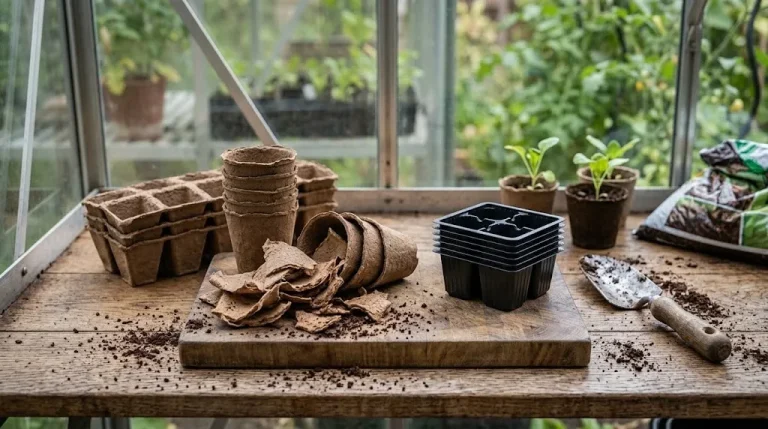
Can You Compost Seed Trays?
Sometimes. Paper, fiber and peat seed trays compost well, but plastic ones never will. Here’s how to tell…
-
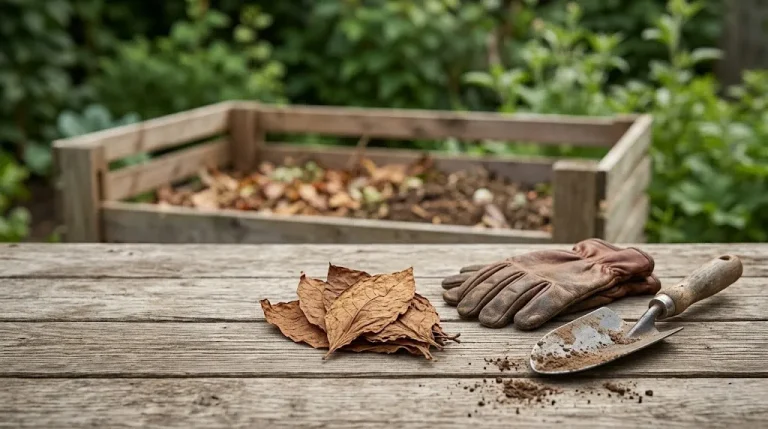
Can You Compost Tobacco?
Sometimes. Small amounts of organic tobacco can compost, but nicotine and pesticides can kill worms. Here’s what to…
-
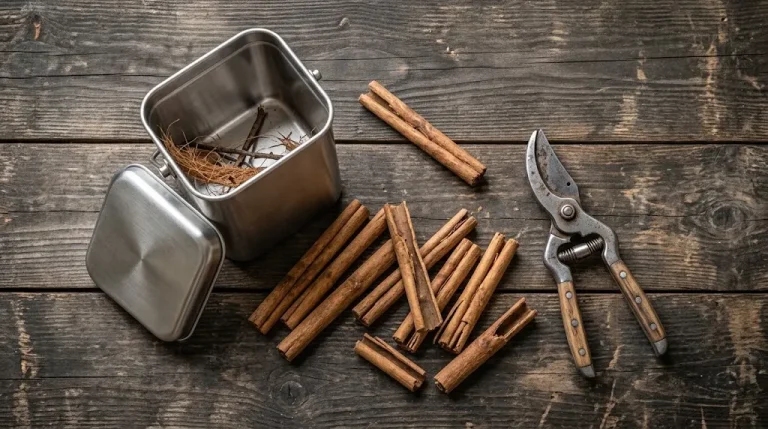
Can You Compost Cinnamon Sticks?
Sometimes. Whole cinnamon sticks can take years to break down, but crushed ones go in 3-6 months. Here’s…
-
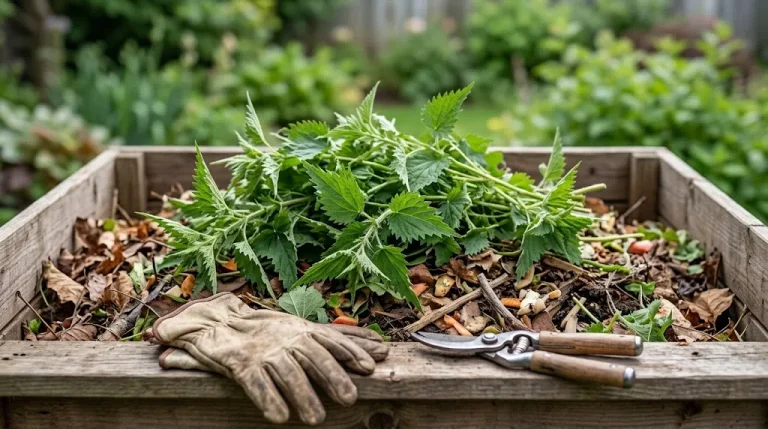
Can You Compost Nettles?
Yes. Nettles are a natural compost activator that speeds up your pile, but seeded ones can sprout later.…
-
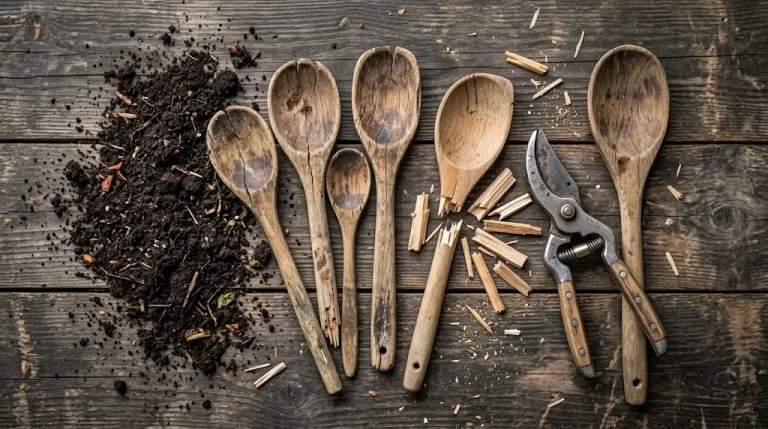
Can You Compost Wooden Kitchen Spoons?
Sometimes. Untreated wooden spoons can compost if broken up, but varnish and glue don’t belong. Here’s how to…