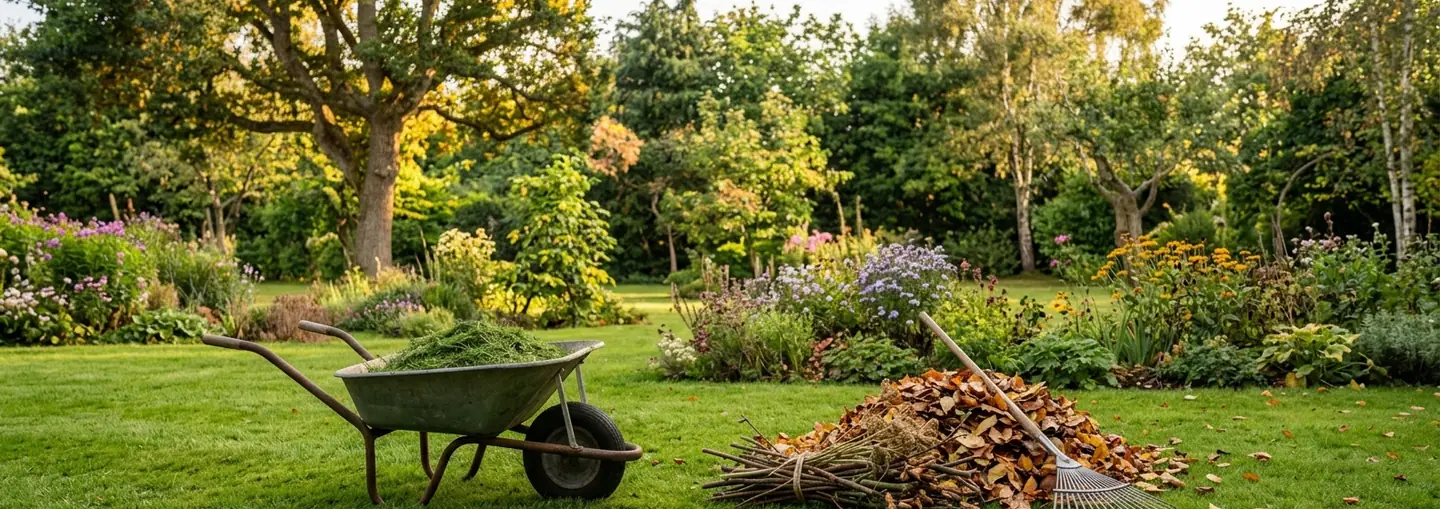
Yard & Garden
Leaves, grass, weeds, branches and garden waste. Green clippings add nitrogen and heat, while dry leaves and woody stems add carbon and structure, so mix the two. Leave out diseased plants, weeds that have gone to seed, and anything treated with herbicide, and cut branches small since thick wood can take a year or more.
-
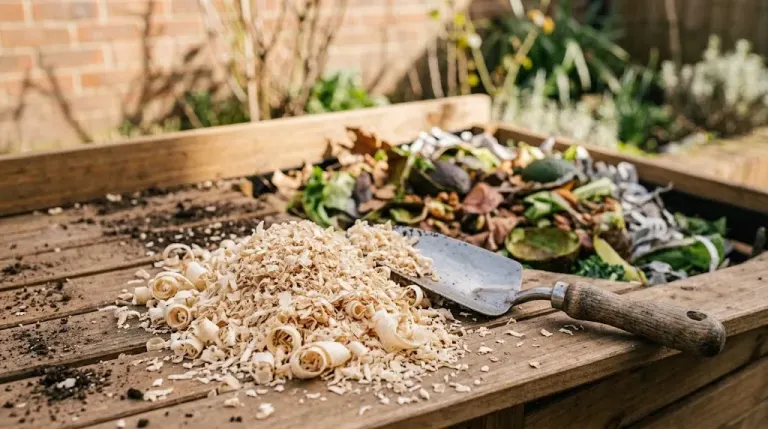
Can You Compost Sawdust?
Sometimes. Sawdust provides great carbon, but treated wood ruins your pile. Learn how to mix it safely without…
-
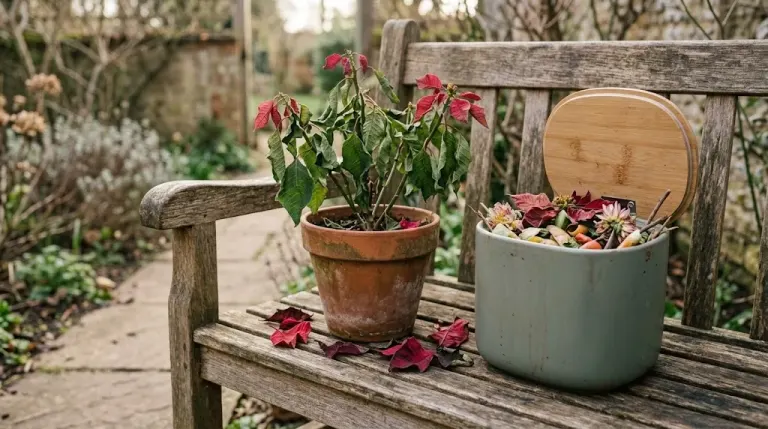
Can You Compost Poinsettias?
Sometimes. The plant composts fine, but glitter, foil and greenhouse pesticides can ruin your soil. Here’s what to…
-
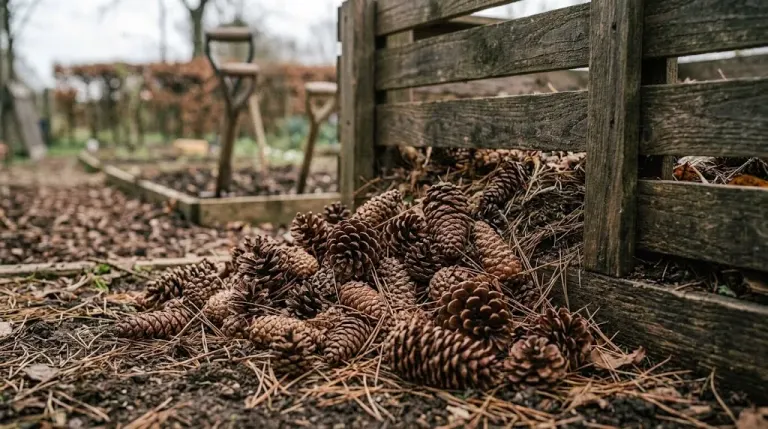
Can You Compost Pine Cones?
Sometimes. Whole pine cones can take 1-3 years to break down, but crushing them changes everything. Here’s the…
-
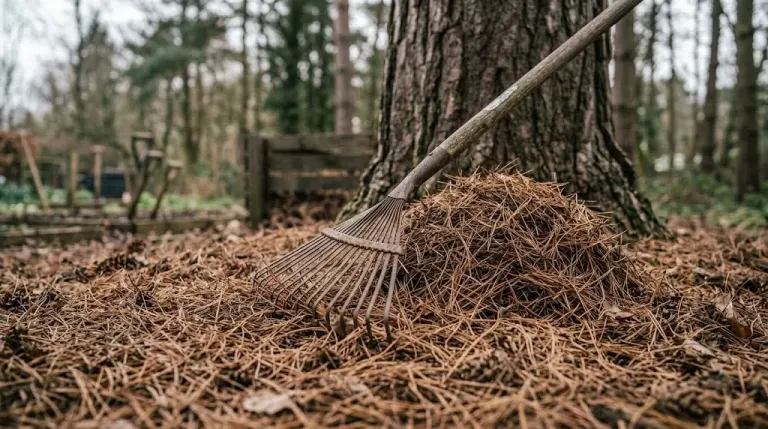
Can You Compost Pine Needles?
Sometimes. Pine needles are acidic and waxy, so they break down slowly. Here’s how many your pile can…
-
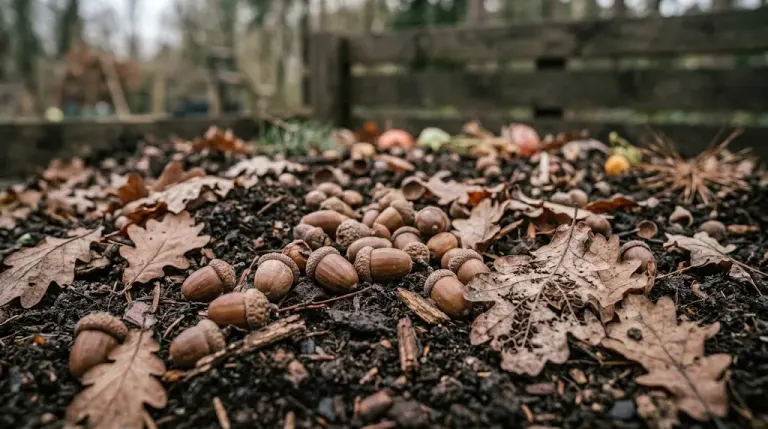
Can You Compost Acorns?
Sometimes. Whole acorns can survive a bin for years and their tannins slow microbes. Here’s how to crack…
-
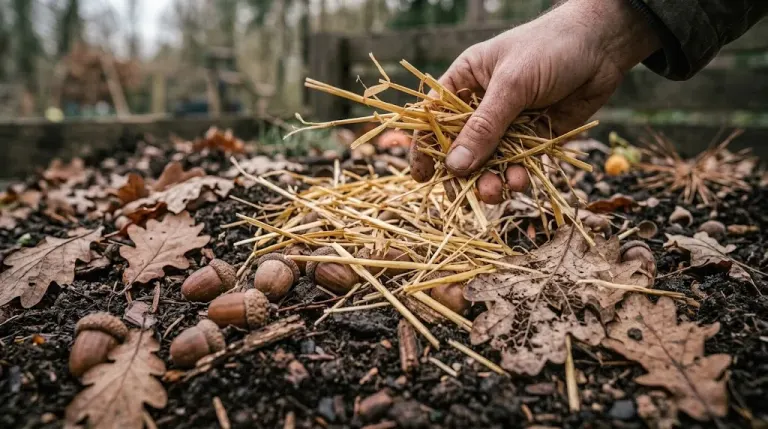
Can You Compost Straw?
Yes. Straw adds air and carbon to your pile, but mixing it up with hay can seed weeds…
-
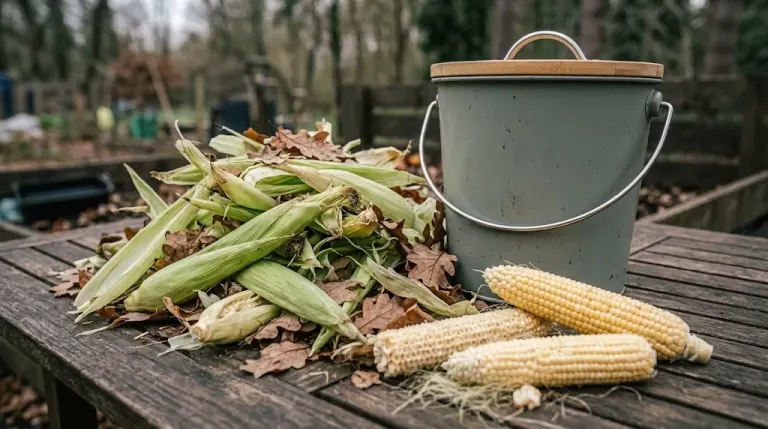
Can You Compost Corn Husks?
Yes. Corn husks are a great carbon source, but whole husks can take up to a year. Here’s…
-
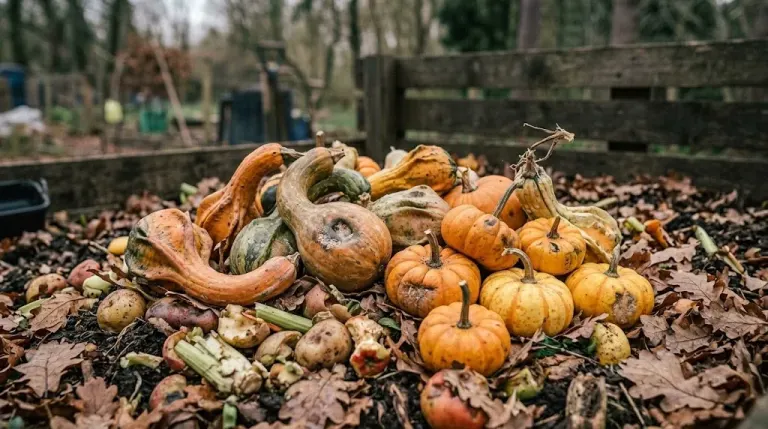
Can You Compost Gourds?
Sometimes. Whole ornamental gourds can sit for over a year without rotting, and painted ones don’t belong. Here’s…
-
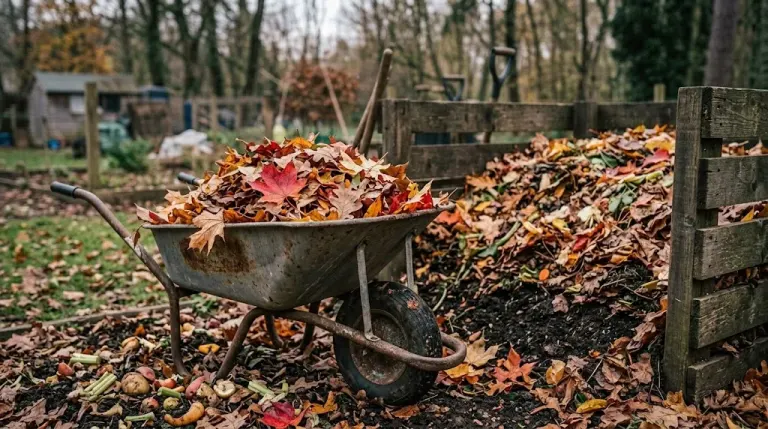
Can You Compost Leaves?
Yes. Fall leaves are the best free brown for your pile, but whole wet layers mat down and…