
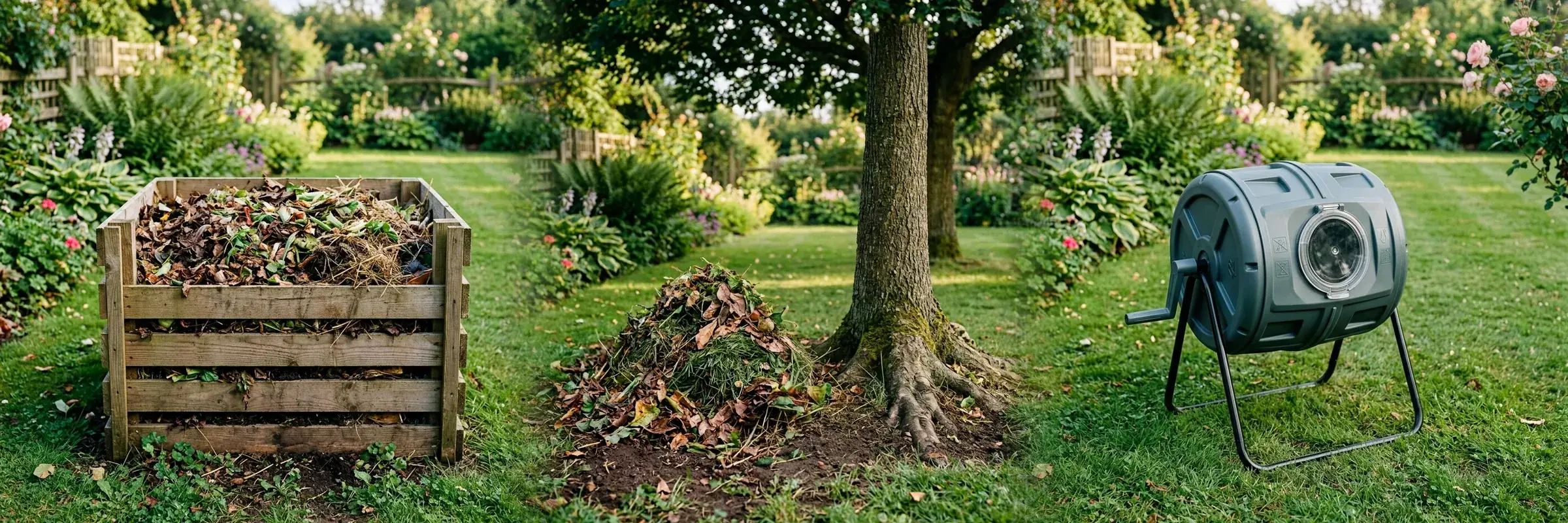
Yes, apple seeds are safe to compost in both backyard and municipal bins. They break down naturally along with your other fruit scraps.
Why
Apple seeds decompose easily in a compost pile, just like the rest of the apple core. While they do contain a tiny amount of plant compounds that release trace hydrogen cyanide when crushed and digested in large quantities, the minuscule amounts found in a normal kitchen's worth of apple seeds pose no risk to your compost pile, your soil, or beneficial soil microbes. They will simply soften and break down over time as microbial activity consumes the surrounding organic matter, contributing minor carbon and nitrogen to the mix.
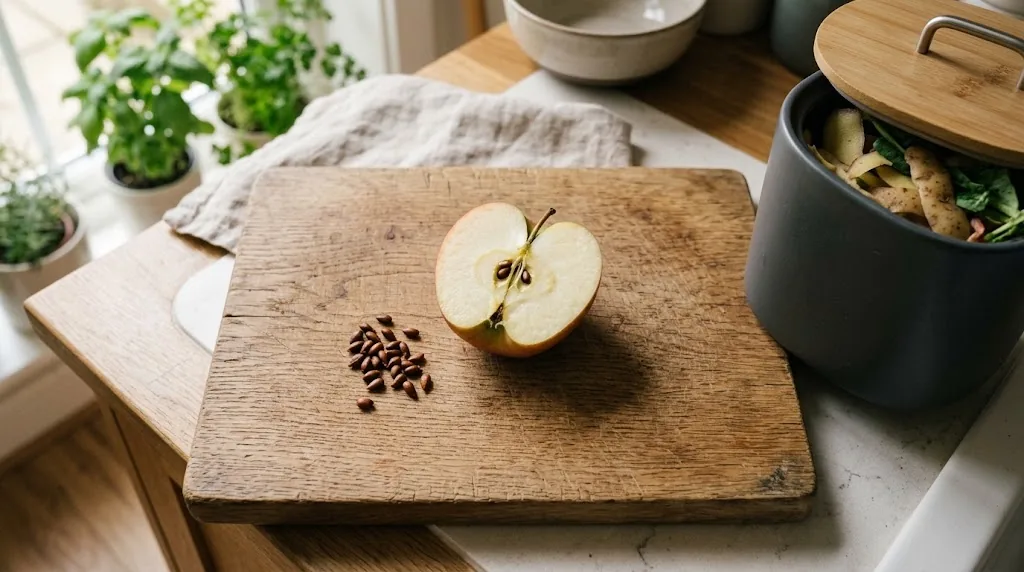
Quick facts
| Carbon to nitrogen | Varies |
|---|---|
| Hot pile | 1-3 months |
| Cold pile | 3-6 months |
| Worm bin | Yes · Fine in small amounts |
| Bokashi | Yes · Ferments safely with other food scraps |
| City green bin | Usually accepted; check local rules |
| Prep | No special preparation needed |
| Mix with | Mix well into the pile center |
| Pest risk | Low · Bury in the pile to prevent fruit flies |
How to compost apple seeds
- Drop apple seeds directly into your compost bin along with your fruit cores and peels.
- Bury the seeds deeper within the pile if you want to prevent them from accidentally sprouting.
- Maintain a balanced mix of green nitrogen-rich scraps and brown carbon materials.
- Turn your pile occasionally to speed up the overall decomposition process.
How much apple seeds can you add to compost?
A standard home compost pile can easily handle all the apple seeds generated by normal kitchen consumption, usually amounting to a few dozen seeds per week. Treat apple seeds as a green nitrogen addition, though their volume is so small they have minimal impact on your overall carbon-to-nitrogen ratio. Pair them with a handful of brown materials like dry leaves or wood chips. If you notice tiny apple seedlings sprouting across the surface, you have added too many seeds without burying them properly.
Which types of apple seeds can you compost?
- Fresh raw seeds: Yes. Fresh seeds break down readily in a warm pile, though they retain the potential to sprout if left near the surface.
- Dried seeds: Yes. Dried seeds are completely inert and will not sprout, but they take slightly longer to absorb moisture and soften.
- Crushed seeds: Yes. Crushed or chewed seeds decompose the fastest because microbes gain immediate access to the interior starches.
- Roasted seeds: Yes. Roasted seeds are dead and pose zero risk of sprouting, breaking down safely alongside other organic kitchen scraps.
Watch out for
- Apple seeds can sprout into seedlings if your compost pile stays too cool.
- Whole seeds take slightly longer to break down than crushed ones.
- Avoid adding massive quantities of apple seeds all at once from commercial juicing operations.
Other ways to use apple seeds
- Bury them directly in garden soil
- Feed them to backyard chickens
- Throw them in the general trash
Troubleshooting apple seeds in compost
- Seeds are sprouting into little apple trees throughout the compost. Bury the seeds deeper in the center of the active pile or turn the pile more frequently to expose them to high heat.
- Seeds are taking months to disappear completely. Crush the seeds before tossing them in, or ensure your compost pile has adequate moisture and nitrogen to fuel microbial breakdown.
- Mold is growing on the fruit scraps surrounding the seeds. Do not worry, as beneficial molds are a normal part of the decomposition process and help break down tough seed coats.
Myths about composting apple seeds
- Myth: Apple seeds contain enough cyanide to poison your entire garden compost. Truth: The amount of cyanide precursors in a normal household quantity of apple seeds is minuscule and thoroughly neutralized by soil microbes.
- Myth: Apple seeds will grow into full-sized fruit trees inside your compost bin. Truth: While seeds can sprout into fragile seedlings in a cool pile, they cannot survive the heat, lack of sunlight, and microbial competition of a proper compost system.
Can apple seeds go in a green bin or recycling?
Municipal green bins and curbside food-waste collection programs universally accept apple seeds because they are standard organic kitchen scraps. You do not need to remove them from fruit cores or separate them before tossing them into your green cart. However, commercial composting facilities process materials differently depending on their specific equipment and regional regulations, so it is always wise to double-check your local waste management guidelines to confirm acceptable food items.
Does composting apple seeds attract pests?
Composting apple seeds does not attract pests. Because apple seeds are tiny and typically discarded inside the apple core or fruit scraps, adding them to your compost pile along with other kitchen wastes poses no pest risks. By burying the seeds deep within the pile and ensuring they are thoroughly covered with carbon-rich brown materials like leaves or shredded cardboard, you help hide any residual fruit odors and keep unwanted animals away from your compost.
- Bury apple seeds deep inside the core of the compost pile.
- Cover all fruit scraps completely with a thick layer of brown materials.
- Use a closed compost bin or tumbler to physically block pests.
- Turn the pile regularly to accelerate decomposition and eliminate odors.
Common questions
Are apple seeds biodegradable?
Yes, apple seeds are completely biodegradable and will naturally decompose in the environment over time. However, backyard composting actively speeds up this natural breakdown process.
Will apple seeds sprout in my compost bin?
They can sometimes sprout if the compost pile is cool or not turned frequently enough. To prevent this, simply bury the seeds in the center of the pile where temperatures are highest.
Are apple seeds toxic to compost piles?
No, the trace compounds inside apple seeds are far too diluted to harm a compost pile or the finished soil. Your compost microorganisms process them without any issues.
Do I need to remove apple seeds before composting an apple?
No, there is no need to remove them. You can compost whole apple cores, seeds and all, saving you time and effort in the kitchen.
Rules vary by town and by composting method. When in doubt, check with your local composting or waste program.