
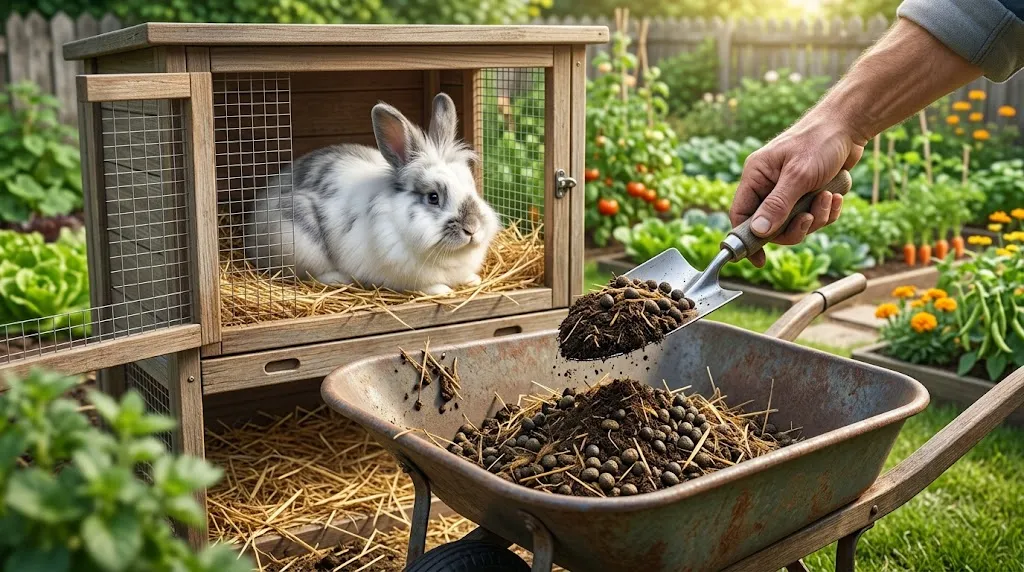
Yes, rabbit droppings are fantastic for the compost pile and can even be added directly to garden beds without burning plants.
Why
Unlike cat or dog waste, rabbit manure is classified as a cold manure, meaning it does not contain harmful pathogens that can easily infect humans. It is rich in nitrogen and other essential nutrients, breaking down quickly in the compost pile. Because rabbits are herbivores, their waste poses very few health risks compared to carnivore waste, making it one of the safest and most beneficial animal manures you can add to your home composting system.
Quick facts
| Carbon to nitrogen | About 15:1 to 25:1 |
|---|---|
| Hot pile | 1-2 months |
| Cold pile | 3-6 months |
| Worm bin | Yes · Excellent food for worms; add in moderation. |
| Bokashi | Yes · Works well in fermented bokashi bran. |
| City green bin | Usually accepted; check local rules. |
| Prep | Mix bedding with droppings before adding. |
| Mix with | Balance with carbon-rich materials like straw or wood shavings. |
| Pest risk | Low · Cover with dry material to prevent flies. |
How to compost bunny poop
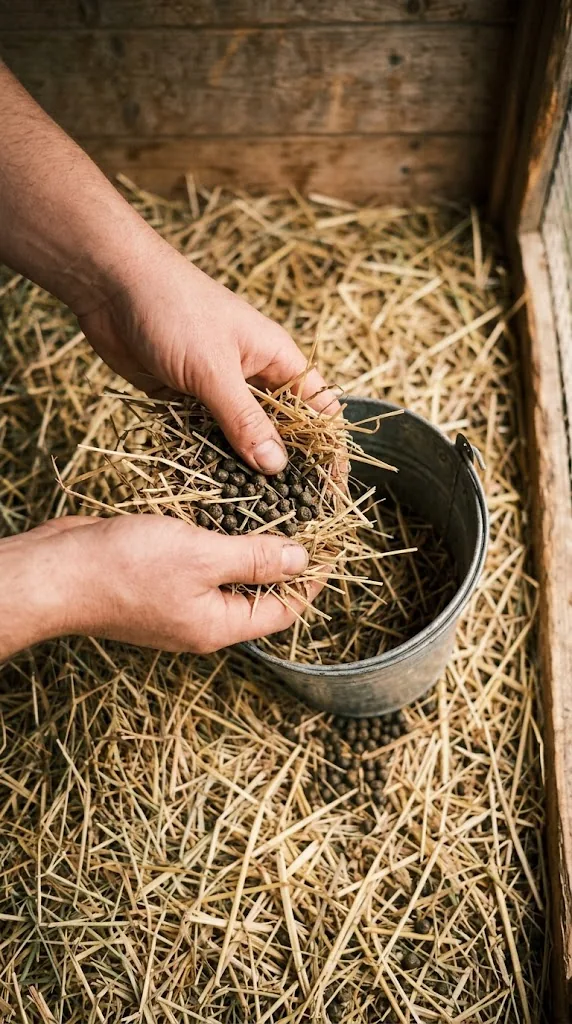
- Collect the droppings along with any used plant-based bedding like straw or paper.
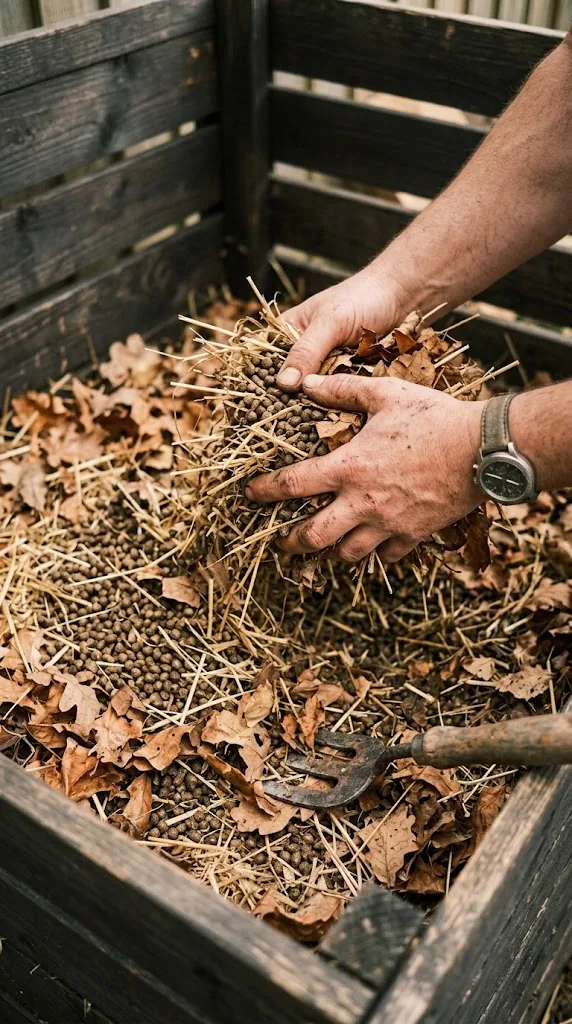
- Add the waste to your compost bin, mixing it with carbon-rich brown materials.
- Maintain a balanced moisture level so the pile stays damp like a wrung-out sponge.
- Turn the pile periodically to aerate and speed up the breakdown process.
How much bunny poop can you add to compost?
Rabbit manure can safely make up about twenty to thirty percent of your total compost pile volume. Because it is a cold manure, you can add generous handfuls or bucket loads at a time, but always balance it with an equal or slightly greater volume of carbon-rich browns like dried leaves or shredded cardboard. If you notice a strong ammonia smell or the pile becomes overly soggy and compacted, you have added too much moisture and nitrogen at once.
Which types of bunny poop can you compost?
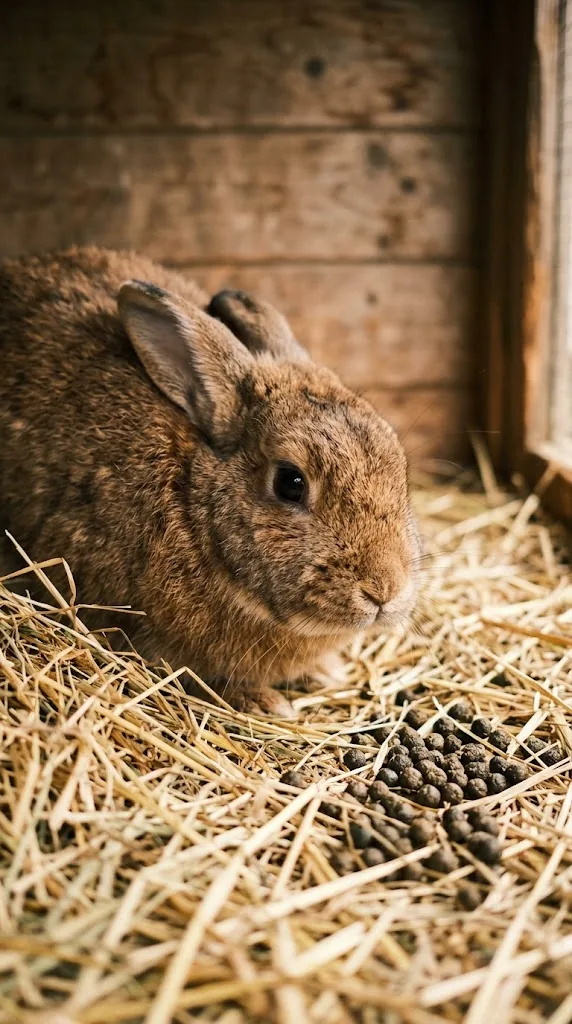
- Raw dry pellets: Yes. These are the standard, clean droppings gathered from the cage floor and are ideal for immediate composting.
- Bedding-mixed manure: Yes. Droppings mixed with wood shavings, straw, or paper bedding work wonderfully since the bedding acts as the necessary brown material.
- Wet or urine-soaked clusters: Yes. These clumps carry more nitrogen and moisture, so break them apart and mix them thoroughly with dry carbon to prevent odors.
- Manure from medicated rabbits: Sometimes. Avoid adding waste if the rabbit has recently received strong antibiotics or dewormers that might harm beneficial compost microbes.
Watch out for
- Do not use manure from meat-eating pets in your compost.
- Ensure the rabbits have not been treated with certain medications that persist in waste.
- Avoid adding waste from sick rabbits to your active pile.
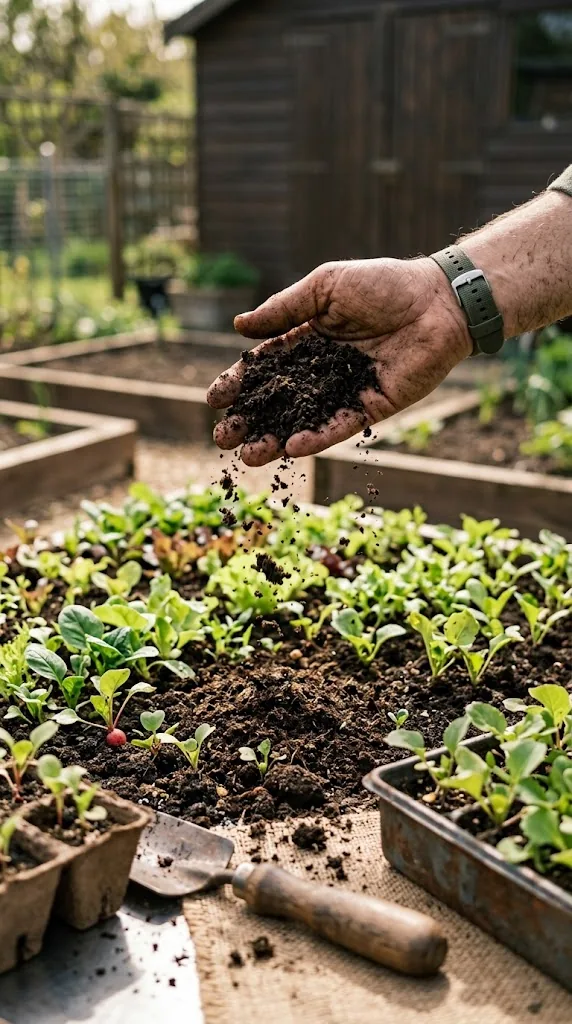
Other ways to use bunny poop
- Apply directly to garden soil as a gentle top dressing
- Steep in water to make a nutrient-rich liquid plant fertilizer
- Offer to local gardeners or neighborhood green thumbs
Troubleshooting bunny poop in compost
- The pile starts developing a sharp, ammonia-like odor. This happens when there is too much raw manure and urine relative to carbon. Mix in dry brown materials like autumn leaves or wood shavings to balance the nitrogen.
- The droppings are not breaking down and remain intact as hard pellets. Rabbit pellets can be surprisingly dry and take time to soften. Ensure the pile maintains adequate moisture levels similar to a damp sponge and turn it regularly.
- Flies or gnats congregate around the rabbit waste. Exposed manure can attract insects. Always cover fresh additions of rabbit waste with a thick layer of carbon browns or finished compost.
Myths about composting bunny poop
- Myth: Rabbit manure must always be aged or composted before touching garden plants because it is too hot. Truth: Unlike chicken or steer manure, rabbit manure is classified as a cold manure and will not burn plant roots, meaning it can be applied directly to garden soil.
- Myth: All animal waste carries dangerous pathogens that make food crops unsafe to eat. Truth: Herbivore waste from rabbits poses very few health risks to humans compared to carnivore waste, making it exceptionally safe for vegetable gardens.
Can bunny poop go in a green bin or recycling?
Municipal green bins and curbside yard waste programs generally accept rabbit manure, especially if it is mixed with natural plant-based bedding like straw or paper. However, some strictly regulated municipal food-scrap programs prohibit animal waste of any kind to comply with specific commercial processing standards. Before tossing your rabbit waste into the curbside bin, check your local waste management guidelines to confirm whether pet or small-livestock manure is permitted in your municipality.
Does composting bunny poop attract pests?
Composting bunny poop does not attract pests. Because rabbits are strict herbivores, their manure lacks the strong, meat-like odors associated with carnivore waste that typically draw scavengers. Furthermore, mixing these dry droppings into your compost bin and using them as a top layer to cover fresh, pungent food scraps and other smelly materials helps hide odors and absorb excess moisture, creating an unappealing environment for common pests.
- Layer the rabbit manure over fresh food scraps to help mask and absorb strong kitchen odors.
- Mix the droppings thoroughly with carbon-rich brown materials to maintain a balanced, scent-neutral pile.
- Keep your compost bin properly covered to maintain moisture and deter any curious insects.
- Avoid adding dairy, meat, or oily foods to the same pile to ensure pests are not drawn in.
Common questions
Can I put bunny poop directly on my garden?
Yes, rabbit manure is a cold manure, meaning it will not burn plant roots like chicken or cow manure might. You can apply it straight to your garden beds as a top dressing.
Can I compost rabbit bedding with the poop?
Yes, bedding made from straw, hay, or shredded paper is rich in carbon and helps balance the high nitrogen levels in the manure. Toss the whole cage cleanup right into the bin.
Does rabbit waste carry harmful diseases?
Because rabbits are strict herbivores, their waste does not typically carry pathogens that affect humans, unlike the feces of dogs or cats.
Is bunny poop biodegradable?
Yes. Rabbit droppings biodegrade quickly, often within 1-2 months, and they are gentle enough to use in gardens even before fully composting.
Rules vary by town and by composting method. When in doubt, check with your local composting or waste program.