
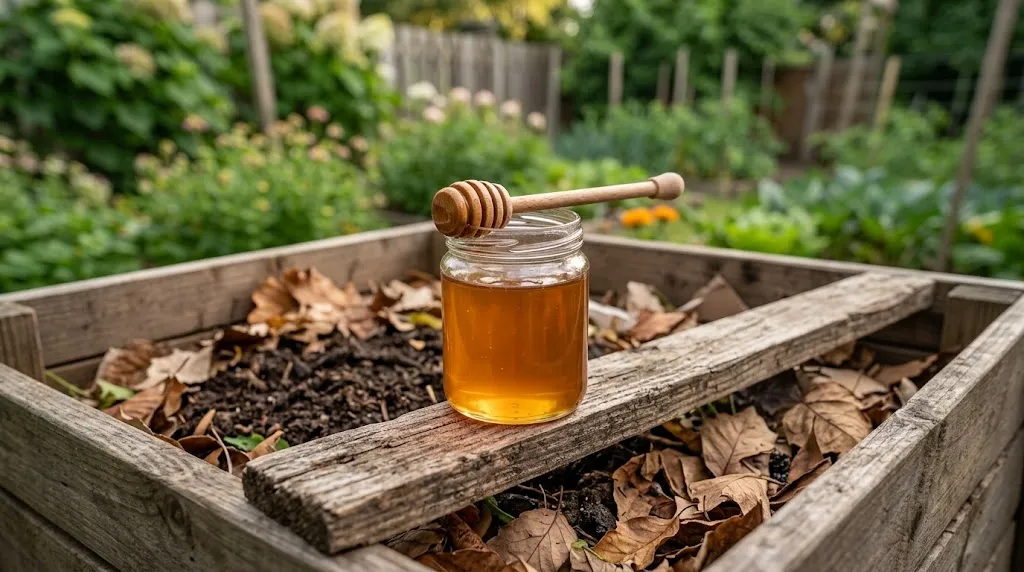
Yes, you can compost honey in small amounts, but it requires careful management to avoid attracting pests.
Why
Honey is pure sugar and rich in carbohydrates, making it a powerful energy source for microbes in your compost pile. However, because it is extremely sweet and sticky, adding large amounts can quickly attract ants, rodents, and other unwanted pests. It should always be thoroughly diluted or mixed deeply into the center of an active compost pile rather than left on the surface. Furthermore, raw honey can occasionally contain spores of American foulbrood, a bacterial disease that is lethal to honeybees, so it should never be composted if there is a risk of local bees being exposed.
Quick facts
| Carbon to nitrogen | About 100:1 |
|---|---|
| Hot pile | 1-2 weeks |
| Cold pile | 1-3 months |
| Worm bin | Sometimes · Very small amounts only, mixed well |
| Bokashi | Yes · Great for bokashi fermentation |
| City green bin | Usually accepted; check local rules |
| Prep | Dilute with water or mix thoroughly |
| Mix with | Mix with plenty of brown carbon materials |
| Pest risk | High · High sugar content heavily attracts ants and raccoons |
How to compost honey
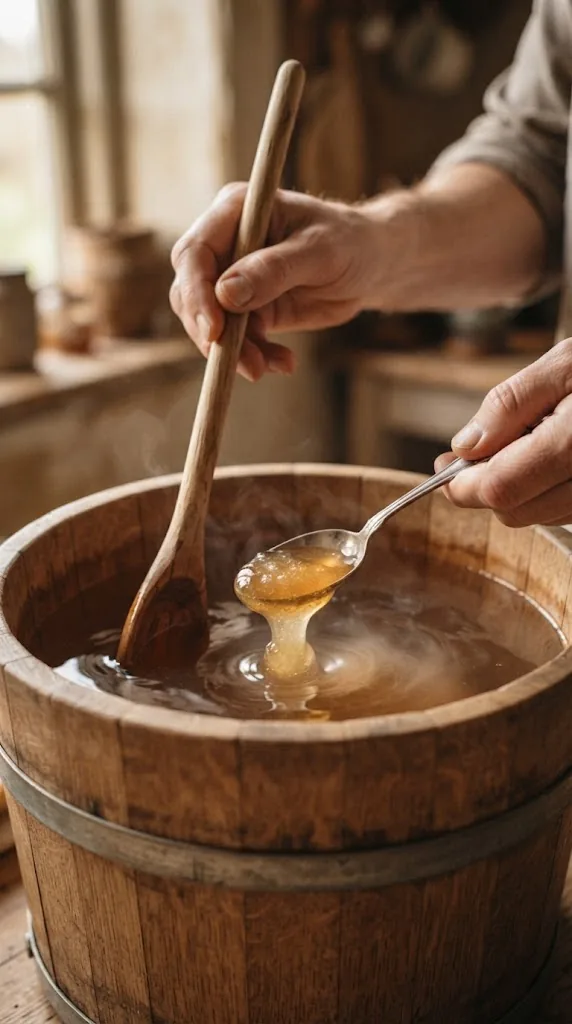
- Dilute leftover honey in a large volume of warm water before adding it to the pile.
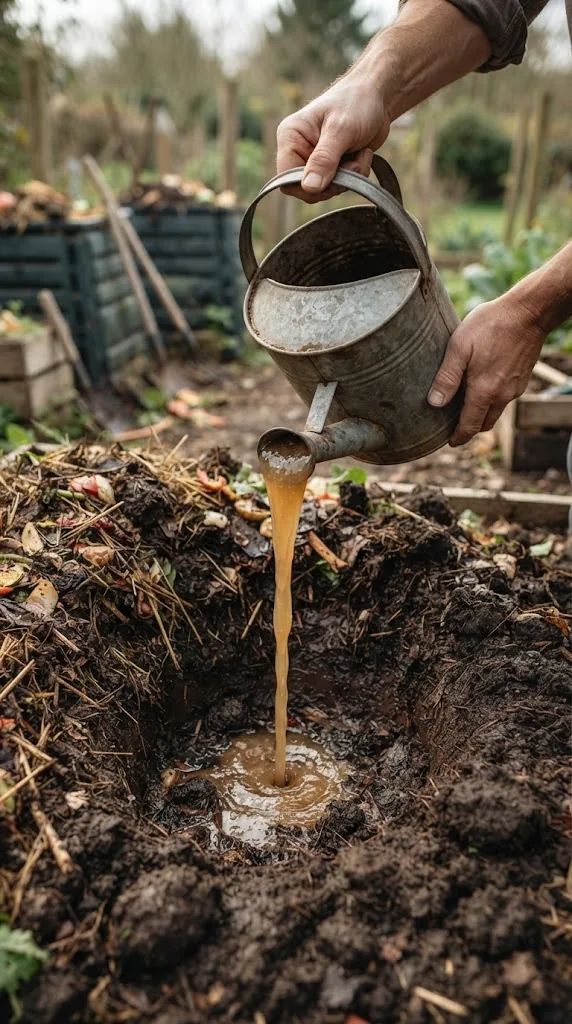
- Pour the honey-water mixture deeply into the center of the compost pile rather than on top.
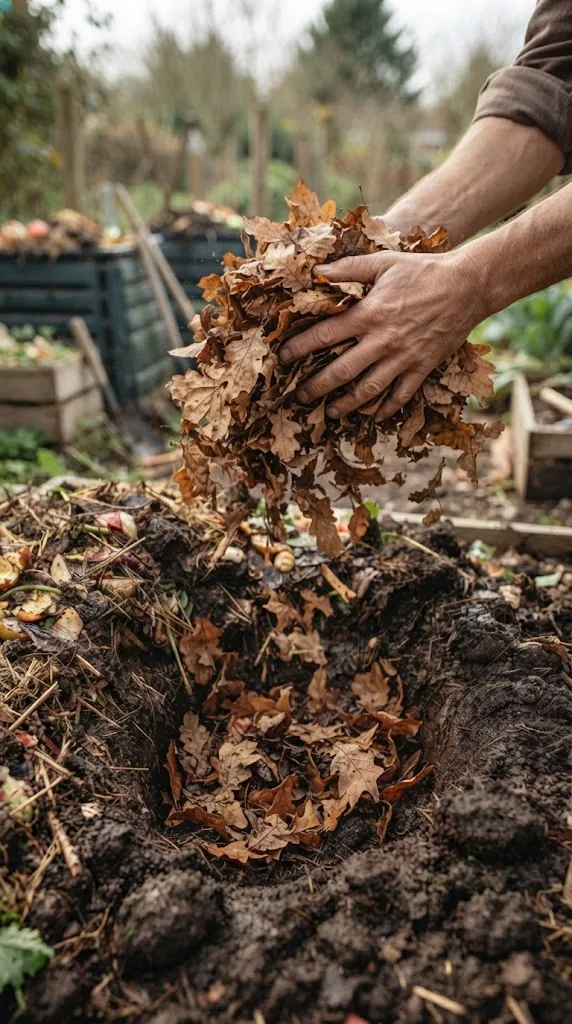
- Bury the liquid under layers of dry brown materials like leaves or shredded paper.
- Turn the pile regularly to ensure quick microbial breakdown and prevent odor.
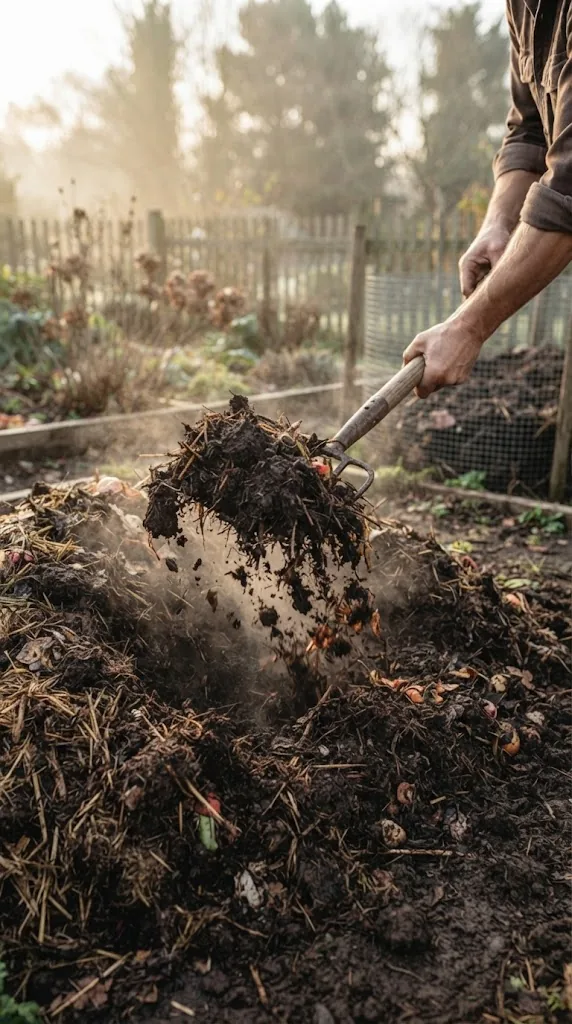
How much honey can you add to compost?
You can add up to a few tablespoons of honey at a time to a healthy home compost pile. Because it is pure sugar and extremely dense in moisture, you must pair every addition with a generous handful of dry carbon-rich browns like shredded cardboard or dry leaves to maintain proper moisture balance. Signs that you have added too much include a sticky, water-logged surface layer, foul sour odors, or a sudden swarm of ants gathering around your compost bin.
Which types of honey can you compost?
- Raw honey: Sometimes. Raw honey should only be composted in deeply buried, hot piles because it may harbor bacterial spores harmful to local honeybees.
- Processed commercial honey: Sometimes. Commercial honey lacks live bee pathogens due to pasteurization, but its high sugar content still demands careful burial to avoid pests.
- Honey crystals and crystallized honey: Yes. Hardened or crystallized honey dissolves very easily when mixed directly into warm water prior to adding it to your decomposition pile.
- Honey-roasted nuts and snacks: No. These items contain high amounts of oils, fats, and salt alongside the honey, which will attract rodents and disrupt microbial balance.
Watch out for
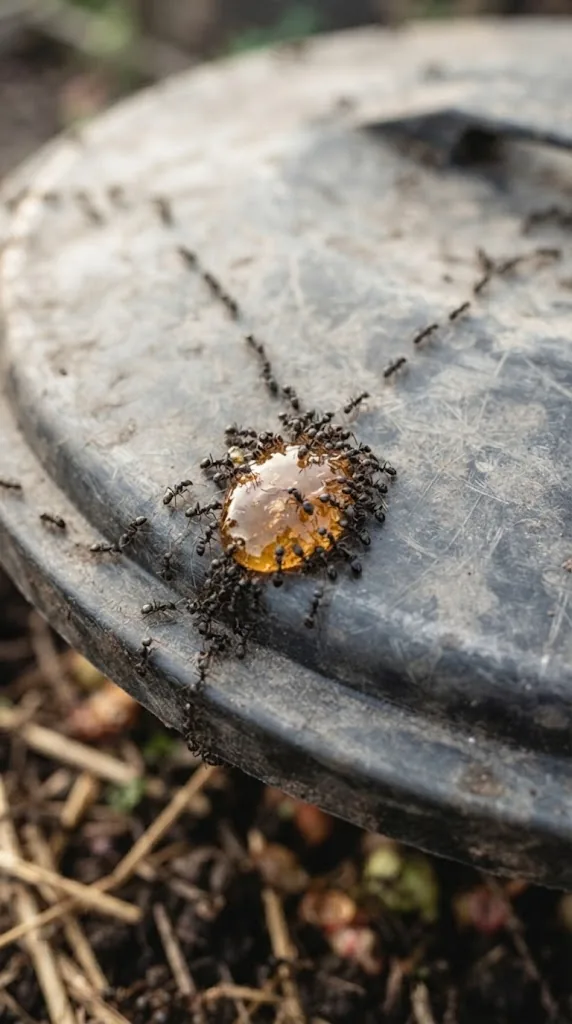
- High risk of attracting ants, flies, rats, and raccoons if left on the surface.
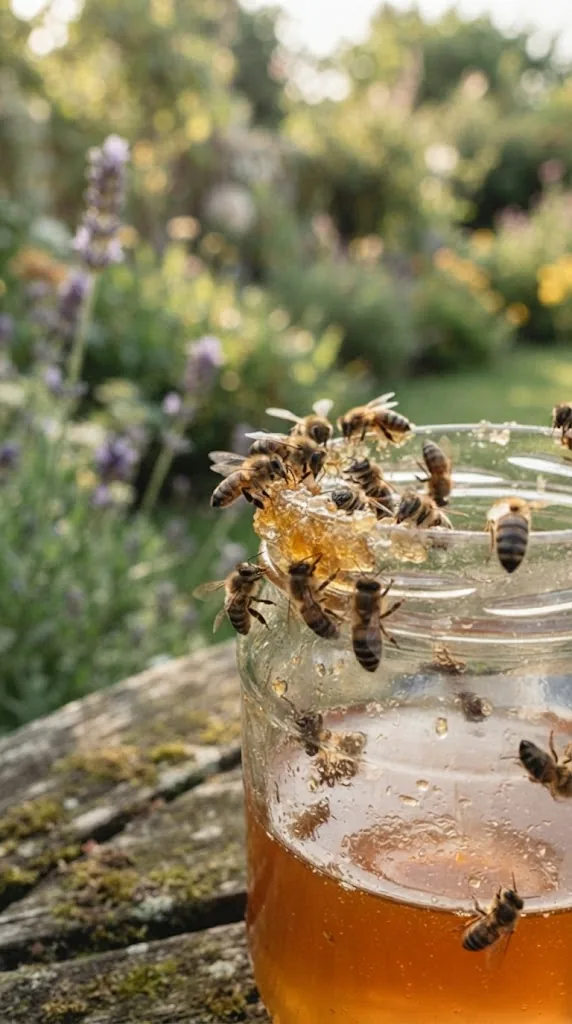
- Potential risk of spreading bee diseases if raw honey is accessible to local pollinators.
- Can create a sticky, anaerobic mess if added in large quantities without enough browns.
What to do instead
- Dilute with water and use as a natural fertilizer boost for outdoor plants
- Feed to backyard chickens in small amounts
- Dispose of in the general household trash
Troubleshooting honey in compost
- Ants swarming the surface after adding honey. Cover the exposed area immediately with a thick layer of fresh green grass clippings or deep dry brown matter, then thoroughly water the top layer.
- A sticky, foul-smelling mat forming inside the bin. Mix in a large volume of coarse dry carbon materials like wood chips and turn the affected section thoroughly with a pitchfork to restore airflow.
- Attracting raccoons or neighborhood rodents. Stop adding sugary liquids entirely until the current batch breaks down, and ensure your compost bin features a secure, animal-proof latch.
Myths about composting honey
- Myth: Honey never spoils, so it will not break down in a compost pile. Truth: While honey has an indefinite shelf life in a sealed jar, diluted sugars are rapidly consumed by active microbes and bacteria in a moist environment.
- Myth: You can safely pour sticky honey straight onto the top of an open pile. Truth: Pouring honey on the surface creates an immediate beacon for pests and seals the top layer, cutting off vital oxygen to the pile beneath.
Can honey go in a green bin or recycling?
Most municipal green bins and curbside food-waste collection programs accept small amounts of leftover honey, especially when it is mixed directly with other organic food scraps or yard waste. If you are disposing of large volumes of spoiled honey in a glass or plastic jar, you should empty the liquid contents into your organic waste stream and rinse the container before placing it into your curbside recycling bin. Always check your local municipal guidelines first, as rules regarding liquid foods in green carts can vary significantly.
Does composting honey attract pests?
Adding honey to your compost pile can definitely attract unwanted pests. Because honey is pure sugar and extremely sweet and sticky, it acts as a powerful beacon for ants, flies, rats, and raccoons if left exposed on the surface. These critters are easily drawn to its rich carbohydrate content, so failing to manage it properly can quickly lead to an infestation around your bin.
- Dilute leftover honey in a large volume of warm water before adding it to the pile.
- Pour the liquid mixture deeply into the center of the active compost pile rather than leaving it on top.
- Bury the honey thoroughly under thick layers of dry brown materials like leaves or shredded paper.
- Turn the pile regularly to accelerate microbial breakdown and eliminate sweet odors.
Common questions
Will honey attract ants to my compost bin?
Yes, leftover honey on the surface of a bin is a beacon for ants and other insects. Always bury it deep inside the pile and cover it with browns.
Can I compost crystallized or expired honey?
Yes, old or crystallized honey breaks down easily because microbes love simple sugars. Just dissolve it in warm water first to speed up the process.
Is honey a green or brown material?
Honey is considered a green material because it is high in moisture and energy, acting primarily as a microbial booster rather than a carbon source.
Is honey biodegradable?
Yes. Honey is sugar and water and biodegrades quickly in an active pile. The problem is pests, not breakdown, so use only small diluted amounts.
Rules vary by town and by composting method. When in doubt, check with your local composting or waste program.