
Sometimes. You can compost lemon peels, but only in small quantities. Adding too many citrus peels can lower the pH of your compost pile and potentially deter beneficial worms.
Why
Lemon peels are considered a green material rich in nitrogen, but they contain natural oils like limonene that act as antimicrobial agents. While these oils help keep pests away, they can also slow down the decomposition process by inhibiting the beneficial bacteria and fungi needed to break down organic matter. In a large, active, or hot compost pile, these effects are diluted and manageable. However, in small backyard bins or worm bins, large amounts of citrus can create an acidic environment that is harmful to composting worms and microbes.
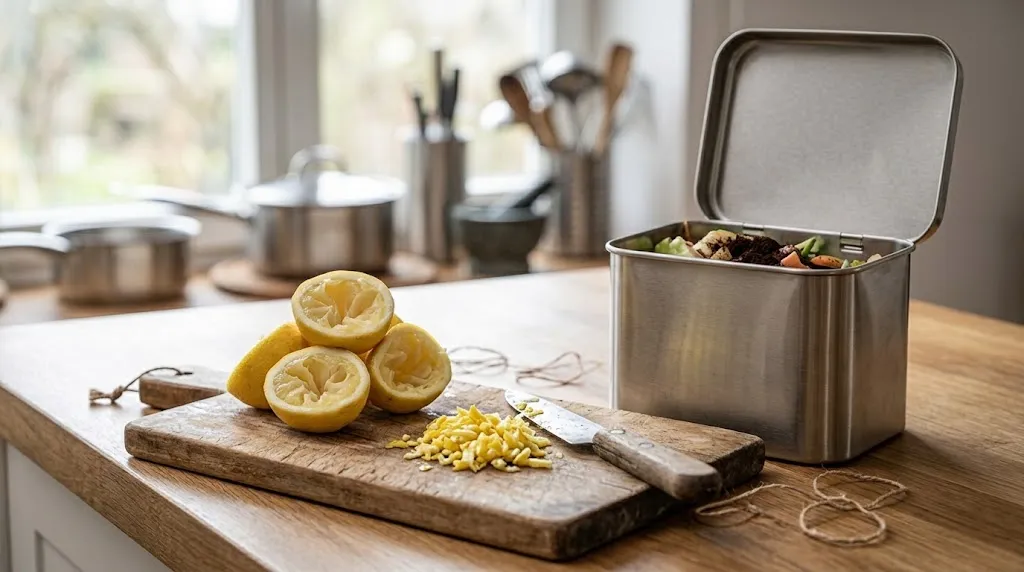
Quick facts
| Carbon to nitrogen | Varies |
|---|---|
| Hot pile | 1-3 months |
| Cold pile | 3-6 months |
| Worm bin | Sometimes · Only small amounts; high acidity can harm worms. |
| Bokashi | Yes · Great addition, but cut into smaller pieces first. |
| City green bin | Usually accepted; check local rules |
| Prep | Chop finely and remove excess pulp or stickers. |
| Mix with | Mix with high-carbon brown materials to buffer acidity. |
| Pest risk | Low · Strong citrus scent generally deters common pests. |
How to compost lemon peels
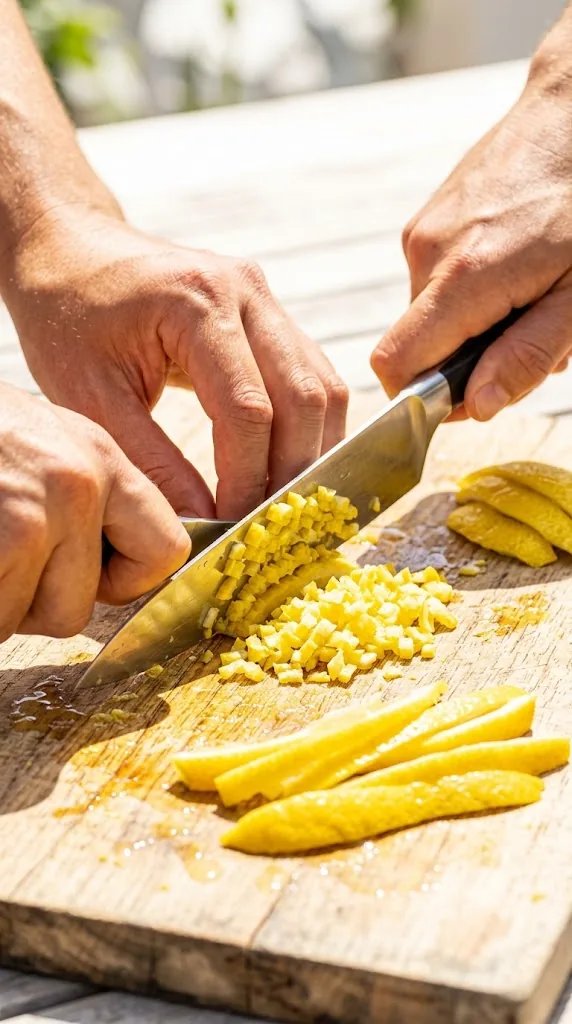
- Chop the peels into smaller pieces to increase surface area.
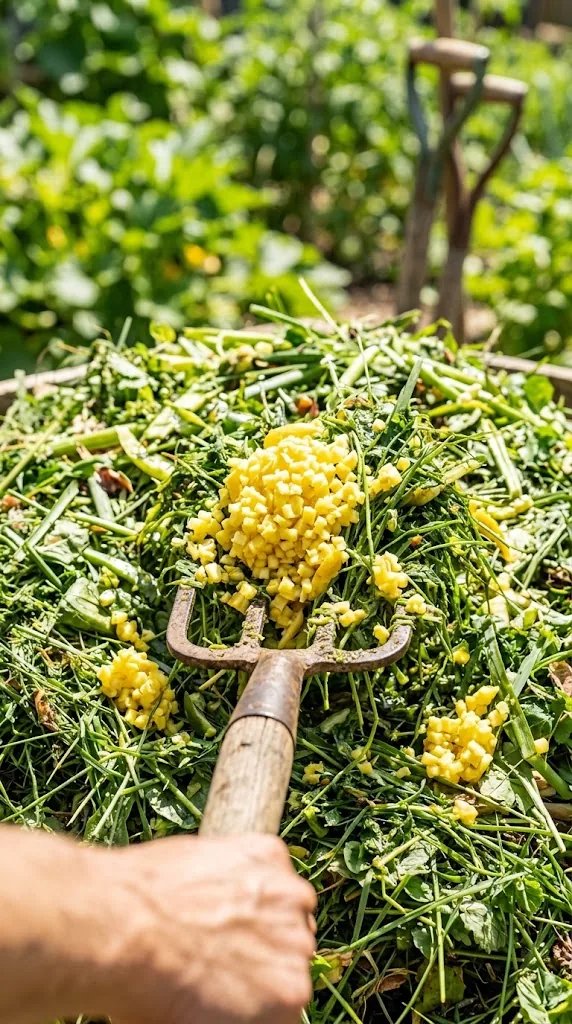
- Mix the peels thoroughly into the center of your compost pile.
- Balance the acidic peels with plenty of carbon-rich brown materials like dried leaves or straw.
- Monitor the pile for signs of excessive acidity or odor.
How much lemon peels can you add to compost?
For a standard backyard compost bin, limit lemon peels to no more than five percent of your total weekly volume. Because they are nitrogen-rich greens, always pair every handful of peels with two handfuls of carbon-rich browns like shredded cardboard or dry leaves. If you notice a sharp, vinegary smell or see a sudden decline in worm activity, you have likely added too much; immediately stop adding citrus and increase your brown material ratio to neutralize the acidity.
Which types of lemon peels can you compost?
- Organic lemon peels: Yes. These are the safest to compost as they lack synthetic pesticide residues that could harm beneficial soil microbes.
- Wax-coated conventional peels: Sometimes. Synthetic waxes take significantly longer to break down and may contain chemical preservatives that inhibit decomposition.
- Candied or sugared peels: No. The high sugar content can attract unwanted pests like ants, rodents, and raccoons to your compost bin.
- Dried lemon peels: Yes. Drying the peels removes moisture and concentrates the oils, making them break down more predictably in a hot pile.
Watch out for
- Avoid adding large quantities at once to prevent souring the pile.
- Do not add citrus to vermicompost bins as it can kill or repel worms.
- Ensure the peels are not coated in synthetic waxes or pesticides.
- If the pile starts smelling like vinegar, remove the peels and add more browns.
What to do instead
- Infuse them in water or vinegar for natural cleaning solutions.
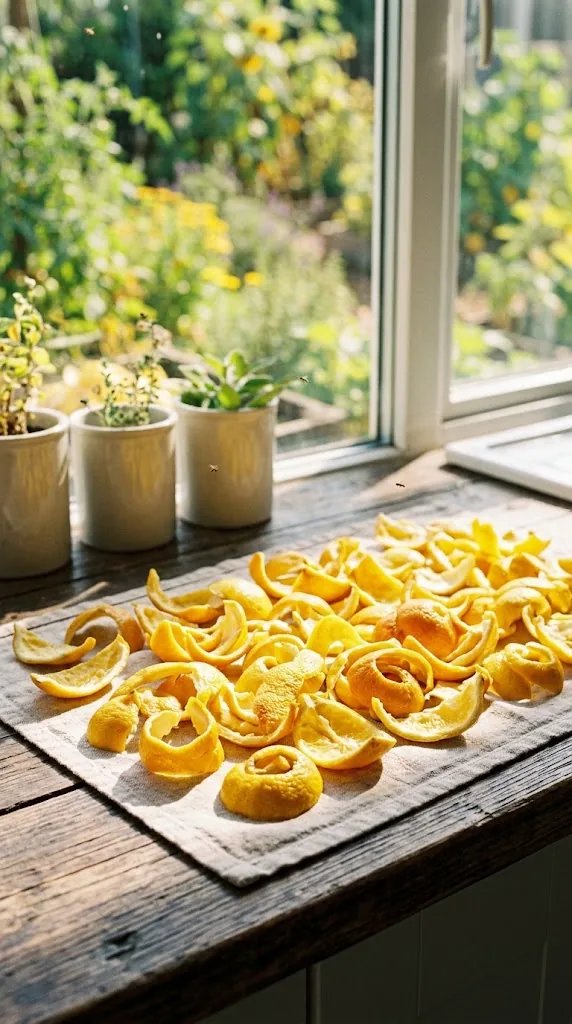
- Dry them to use as fire starters or potpourri.
- Freeze them to use as zest in future cooking recipes.
Troubleshooting lemon peels in compost
- Strong acidic or vinegary odor This indicates the pile is too acidic; remove excess peels and mix in a large volume of dry, carbon-rich browns.
- Slow decomposition rate Chop the peels into smaller pieces and ensure they are buried deep in the center where microbial activity is highest.
- Mold growth on peels Surface mold is usually harmless, but if it spreads rapidly, ensure your pile has better aeration by turning it more frequently.
Myths about composting lemon peels
- Myth: Lemon peels will kill all the worms in your compost bin. Truth: While large amounts can be harmful, small quantities are easily processed by a healthy, diverse worm population.
- Myth: Citrus peels are too acidic to ever be composted. Truth: The acidity is temporary and neutralizes as the organic matter breaks down, especially when balanced with enough brown materials.
Can lemon peels go in a green bin or recycling?
Most municipal green waste or curbside food scrap programs accept citrus peels without issue because their industrial-scale composting facilities reach higher temperatures than home bins. Before tossing them in, remove any non-compostable stickers, plastic ties, or rubber bands attached to the fruit. Always check your local municipality website, as some regions have specific restrictions on food waste types or require the use of certified compostable bags for collection.
Does composting lemon peels attract pests?
Composting lemon peels does not typically attract pests. In fact, lemon peels contain natural antimicrobial oils like limonene that help deter certain insects and animals rather than drawing them in. When you add lemon peels to your compost pile, burying them deep within the organic matter and covering them with plenty of carbon-rich brown materials helps conceal any lingering citrus scents, keeping unwanted scavengers away from your bin.
- Chop the lemon peels into smaller pieces to accelerate the breakdown process.
- Bury the peels deep in the center of the compost pile.
- Cover the citrus completely with a thick layer of carbon-rich brown materials.
- Avoid adding excessive amounts at one time to prevent souring.
Common questions
Will lemon peels kill my compost worms?
In large amounts, they can. Citrus acidity and oils irritate worms, so keep citrus out of worm bins or add only a few small pieces at a time.
Do lemon peels attract pests?
Generally, no. The strong scent of citrus oils often acts as a natural deterrent for some pests, though it may attract fruit flies if left on the surface.
Can I put lemon peels in my municipal compost bin?
Usually, if your program takes food scraps. Industrial composting facilities operate at much higher temperatures and volumes than backyard bins, allowing them to process citrus easily.
Are lemon peels biodegradable?
Yes. Lemon peels fully biodegrade, usually in 3-6 months. Their oils and acidity just slow microbes down a little, which is why small amounts work best.
Rules vary by town and by composting method. When in doubt, check with your local composting or waste program.