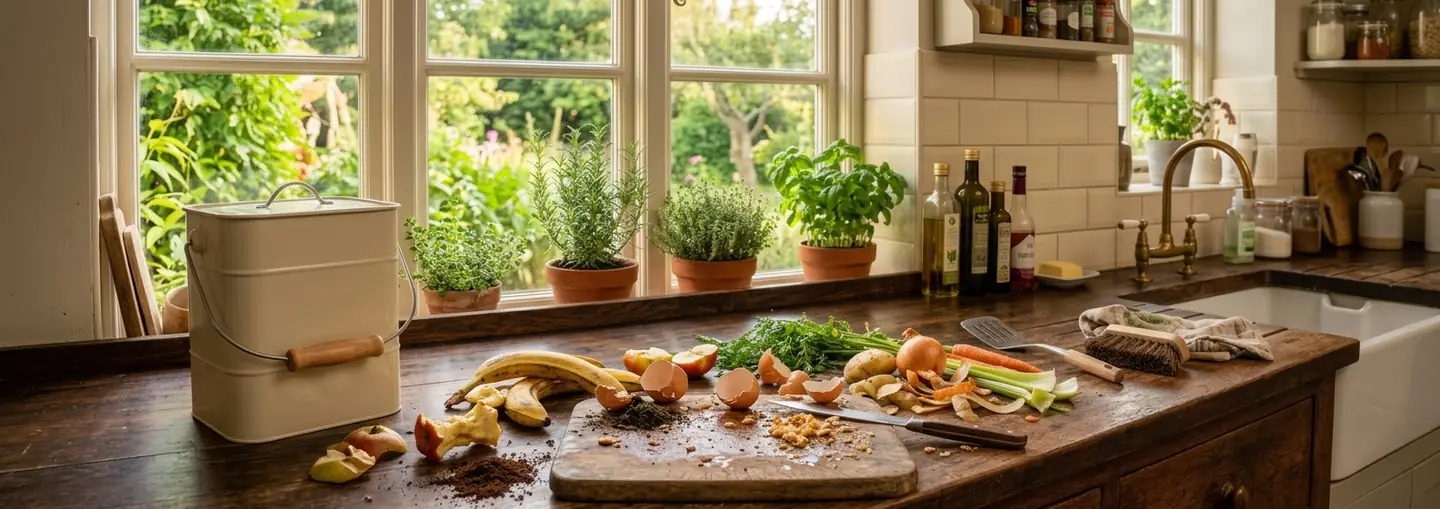
Food Scraps
Peels, cores, leftovers and everything from the kitchen bin. Most fruit, vegetable, grain and coffee scraps are nitrogen-rich “greens” that break down in weeks to a few months, faster if you chop them small. Meat, fish, dairy and oily foods are the usual exceptions: they smell and draw pests in a backyard pile, so they are best left to a hot system or a city collection bin.
-
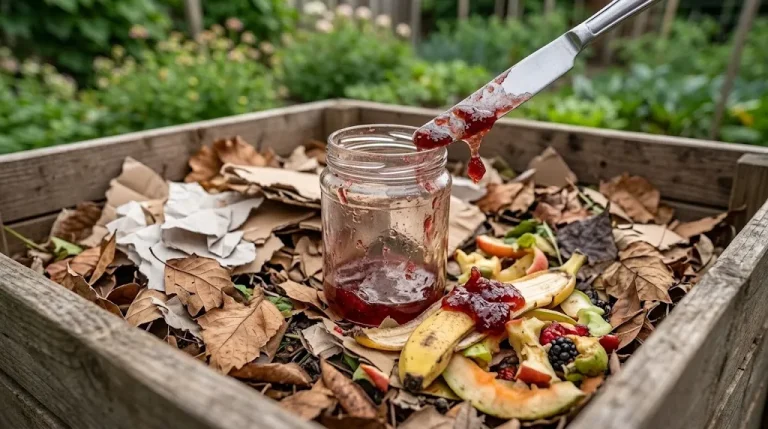
Can You Compost Jelly?
Sometimes. A little jelly is fine if buried deep, but too much sugar draws pests and makes sludge.…
-
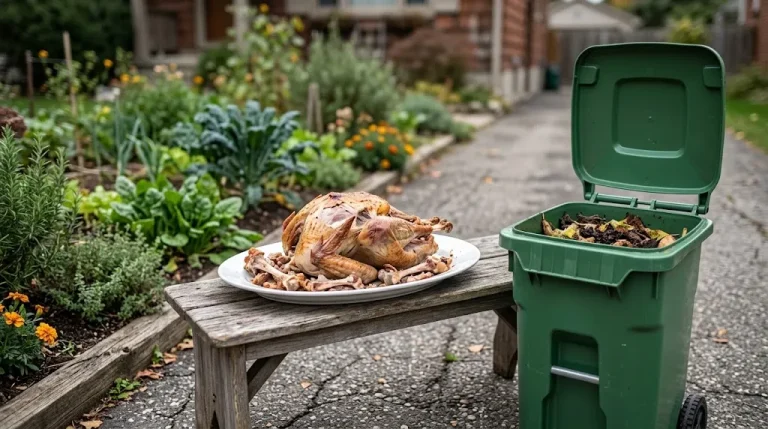
Can You Compost Turkey Bones?
Sometimes. Turkey bones only break down in a hot pile, and cold bins just mummify them. Here’s the…
-
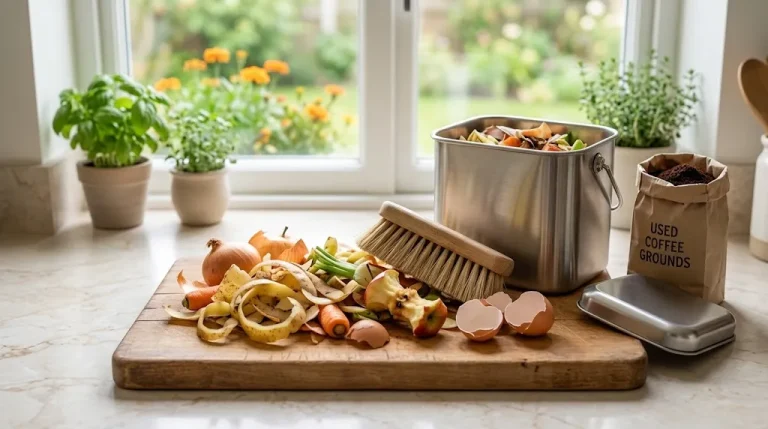
Can You Compost Food?
Sometimes. Most plant-based food scraps compost, but meat, dairy and oily foods cause problems in backyard bins. Here’s…
-
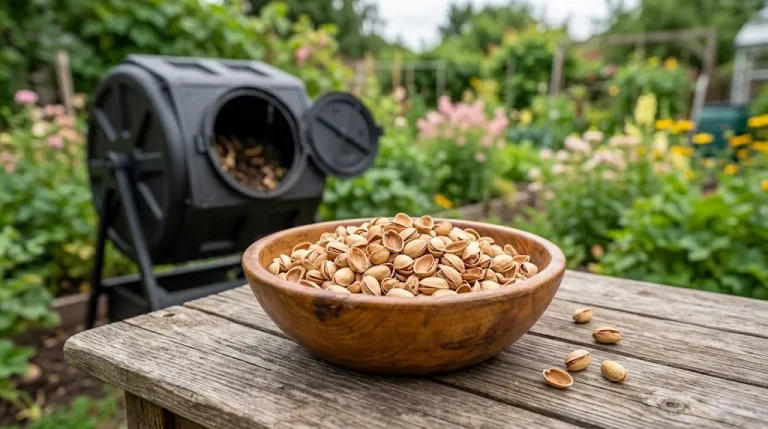
Can You Compost Pistachios?
Sometimes. Pistachio shells take a year or more and salted nuts need rinsing first. Here’s how to compost…
-
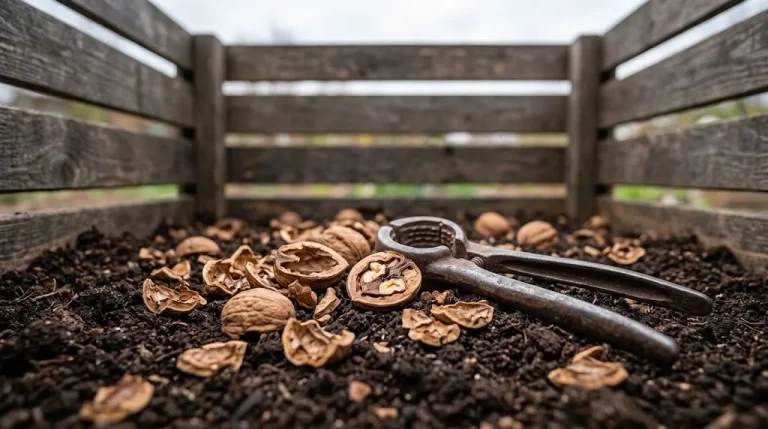
Can You Compost Walnuts?
Sometimes. Whole walnut shells take years, and green husks carry juglone that can harm plants. Here’s how to…
-
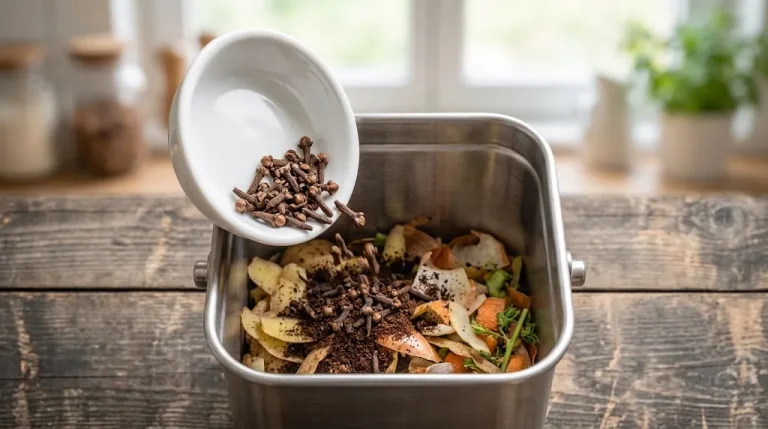
Can You Compost Cloves?
Yes. Cloves break down in 1-3 months and their scent can even deter pests, but go easy in…
-
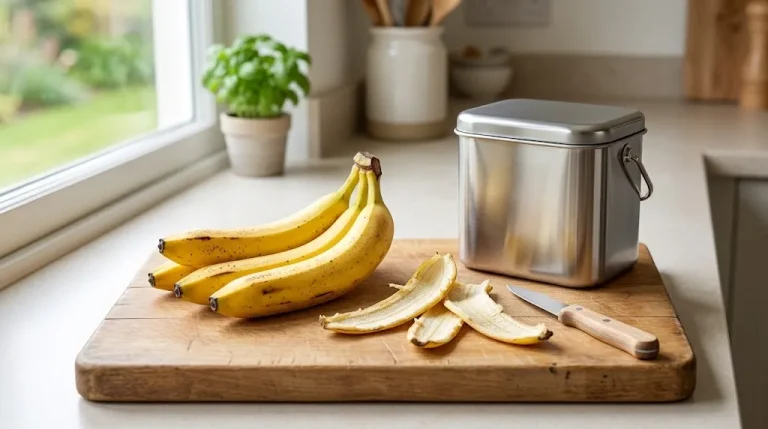
Can You Compost Banana Peels?
Yes. Banana peels break down in 2-4 weeks, but the sticker and whole peels cause trouble. Here’s the…
-
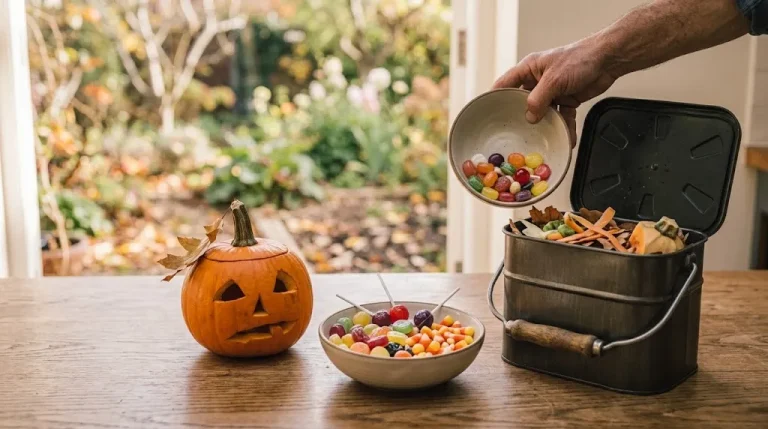
Can You Compost Halloween Candy?
Sometimes. Some leftover Halloween candy can go in, but chocolate and gummies make a sticky, pest-drawing mess. Here’s…
-
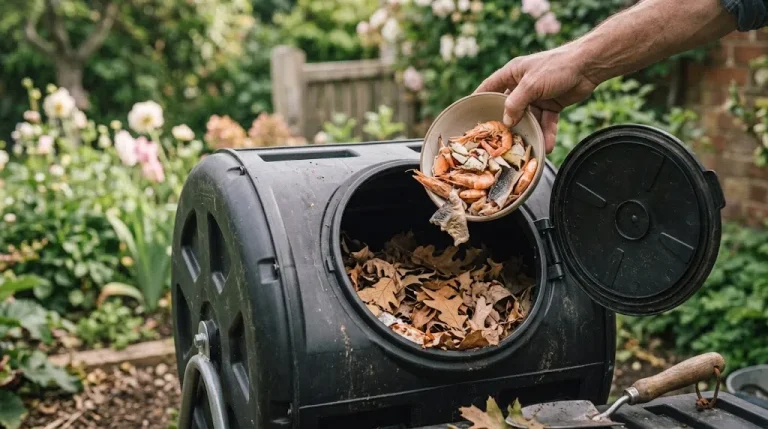
Can You Compost Seafood?
Sometimes. Seafood scraps can compost in an enclosed hot pile, but open bins invite rats and raccoons. Here’s…