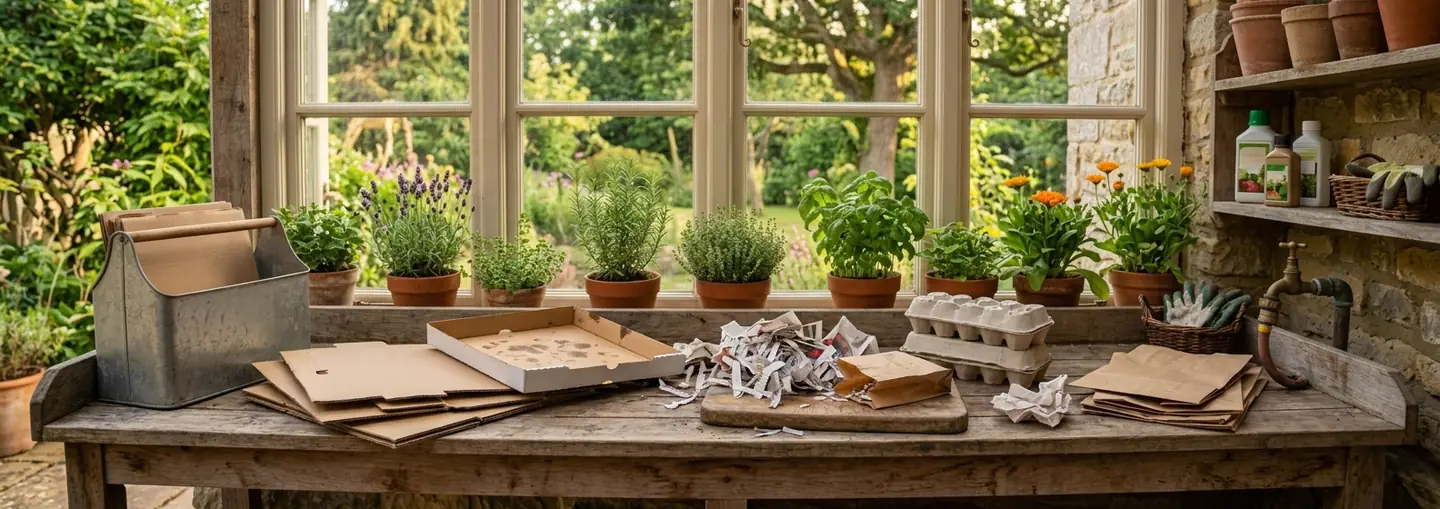
Paper & Cardboard
Boxes, receipts, napkins, tea bags and paper packaging. Plain paper and cardboard are carbon-rich “browns” that balance wet kitchen scraps; shred or tear them and they break down in two to six months. Watch for glossy coatings, plastic linings, wax, and thermal receipts, which often contain BPA and are best kept out.
-

Can You Compost Cardboard Boxes?
Yes. Brown cardboard boxes are a great carbon source, but tape, labels and waxy coatings aren’t. Here’s how…
-

Can You Compost Paper Bags?
Yes. Plain paper bags are an easy brown for your pile, but some have plastic coatings or handles.…
-

Can You Compost Wrapping Paper?
Sometimes. Plain wrapping paper composts in weeks, but shiny, metallic and glittery paper doesn’t. Here’s a quick way…
-
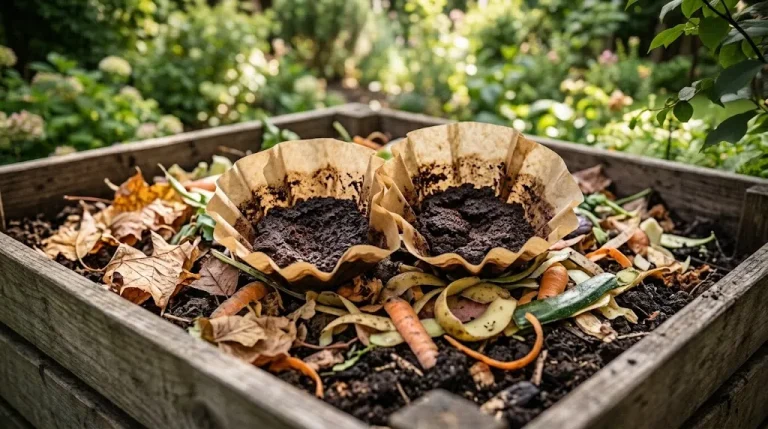
Can You Compost Coffee Filters?
Yes. Paper coffee filters break down in 2-4 weeks with the grounds, but some brands are synthetic mesh.…
-
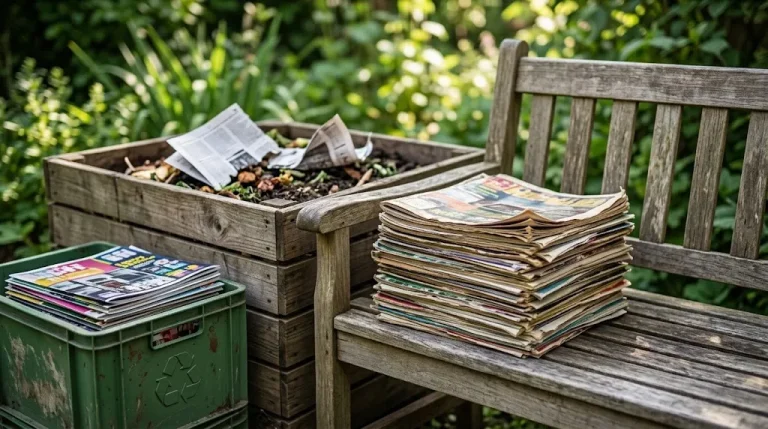
Can You Compost Magazines?
Sometimes. Some magazine pages compost fine, but glossy clay-coated ones won’t. Here’s which ones are safe and where…
-
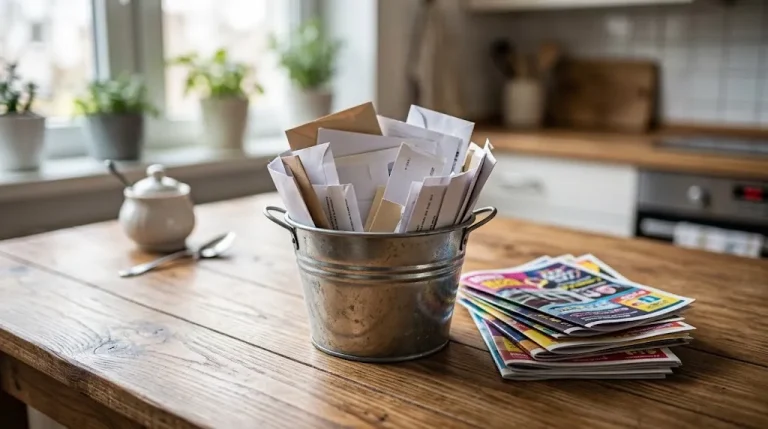
Can You Compost Junk Mail?
Sometimes. Plain paper mail composts in a few months, but glossy flyers and plastic windows don’t. Here’s what…
-
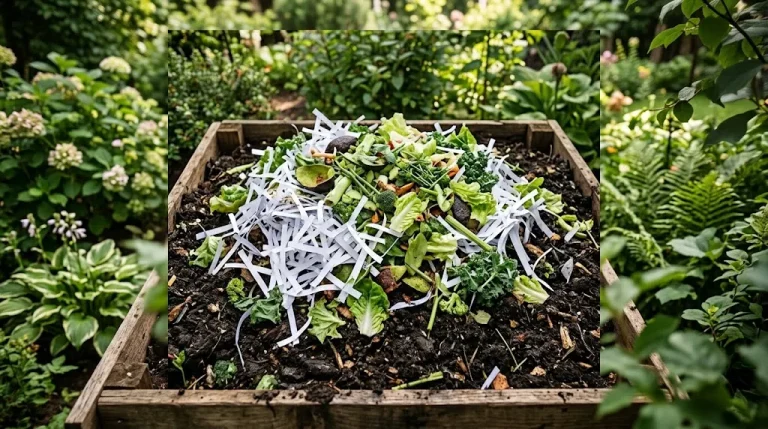
Can You Compost Printer Paper?
Yes. Shredded printer paper is a great brown, but coated paper and heavy inks don’t belong. Here’s how…
-
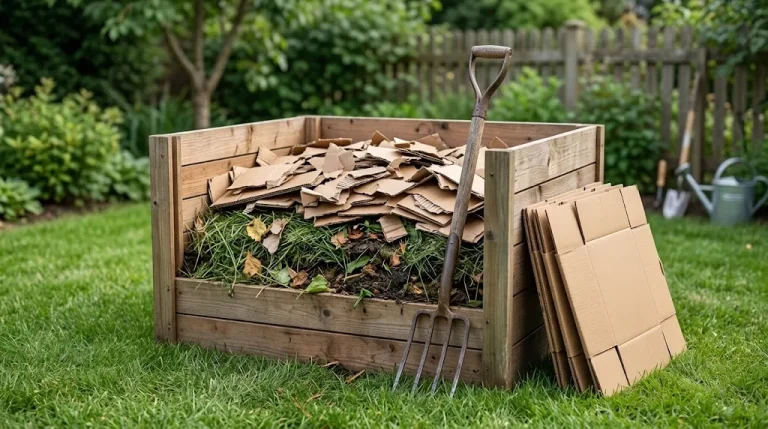
Can You Compost Cardboard?
Yes. Cardboard is a great carbon source, but glossy, waxed and heavily dyed cardboard isn’t. Here’s how to…
-
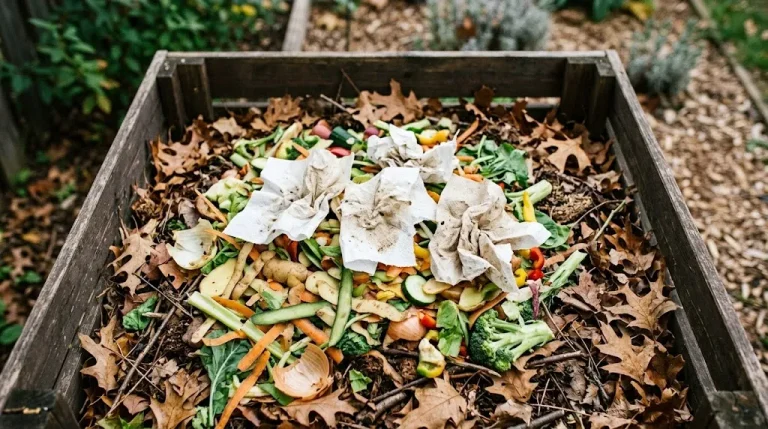
Can You Compost Paper Towels?
Yes. Paper towels break down in 2-4 weeks, but some uses make them unsafe to compost. Here’s which…